Current Affairs

pib_logo

And other top trusted sources

June 13, 2026

Reports

Device Divide in India

NCAER’s “Evolving Landscape of Digital Inclusion in India” report notes India’s internet user base will surpass 1 billion by 2025 but highlights multiple divides: 95% households own mobiles, only 8% computers/laptops; 27.5% households are offline (rural 32.2%, urban 17.2%). Usage is skewed to entertainment (66%) and social media (53.8%), with low education (16.1%) and government services (11.4%); 20.4% need outside help. Working-age women users are 35.6% vs 57.6% men; only 9.4% elderly (60+) are online. It recommends affordable broadband/public Wi‑Fi, digital literacy in schools, assisted service centres with age-friendly vernacular interfaces, and tackling intra-household gender inequality.

Device Divide in India
Times of IndiaTimes of India
📄 GS Paper III
Places in News

Zojila Tunnel

A Union Minister triggered the final blast for the Zojila tunnel breakthrough on the Srinagar-Kargil-Leh Highway, linking Kashmir with Ladakh. The 13.14 km, horseshoe-shaped, single-tube, bi-directional tunnel lies at 11,578 ft between Ganderbal (Kashmir) and Drass (Kargil district, Ladakh). Built using NATM with Smart Tunnel (SCADA), it will enable all-weather civilian and military mobility; by 2028, it is slated to become India’s longest road tunnel and Asia’s longest bi-directional tunnel.

Zojila Tunnel
Times of IndiaTimes of India
📄 GS Paper III

June 12, 2026

Science & Technology

Pyroprocessing Explained

Pyroprocessing is a high-temperature industrial technology that physically or chemically transforms solid materials. It is a dry process and highly energy-intensive. Major applications include the cement industry (clinker production), metallurgy (metal extraction from ore), and the nuclear industry, where it recycles used fuel by separating elements in molten salt and is used for reprocessing spent nuclear fuel. It was developed in the 1980s–1990s for advanced reactors.

Pyroprocessing Explained
The HinduThe Hindu
📄 GS Paper III
Awards

e‑Jagriti Platform Wins Silver at National Awards for e‑Governance

e‑Jagriti (Electronic Justice and Grievance Redressal IT and Innovations) won the Silver Award for Digital Transformation (Government Process Re‑engineering) at the National Awards for e‑Governance. Launched in January 2025, it is an AI‑enabled, paperless unified platform under the Ministry of Consumer Affairs, Food and Public Distribution, implemented by DoCA, integrating OCMS, e‑Daakhil, NCDRC CMS and CONFONET; enabling OTP-based multilingual filing, chatbot, voice‑to‑text, PwD access, default video hearings (hybrid at NCDRC and 35 State Commissions), Bharat Kosh/PayGov/SBI ePay payments, and overseas access.

e‑Jagriti Platform Wins Silver at National Awards for e‑Governance
PIBPIB
📄 GS Paper II
Environment

Tamil Nadu Forest Department’s Project Nilgiri Tahr

Tamil Nadu’s third synchronised Nilgiri Tahr (Nilgiritragus hylocrius) estimation (April 24–27, 2026) by the Tamil Nadu Forest Department under Project Nilgiri Tahr, across 14 forest divisions, shows a rise to 1,364 (95% CI: 869–2,465) from 1,303 (2025) and 1,031 (2024): +4.68% YoY, +32% since 2024. Endemic mountain ungulate of Southern Western Ghats; state animal (Varaiaadu); IUCN Endangered, WPA 1972 Schedule I; now fragmented, with Anamalai 44.87% and Nilgiris 29.25%.

Tamil Nadu Forest Department’s Project Nilgiri Tahr
Indian ExpressIndian Express
📄 GS Paper III
Social Issues

Autoimmune Blistering Diseases Explained

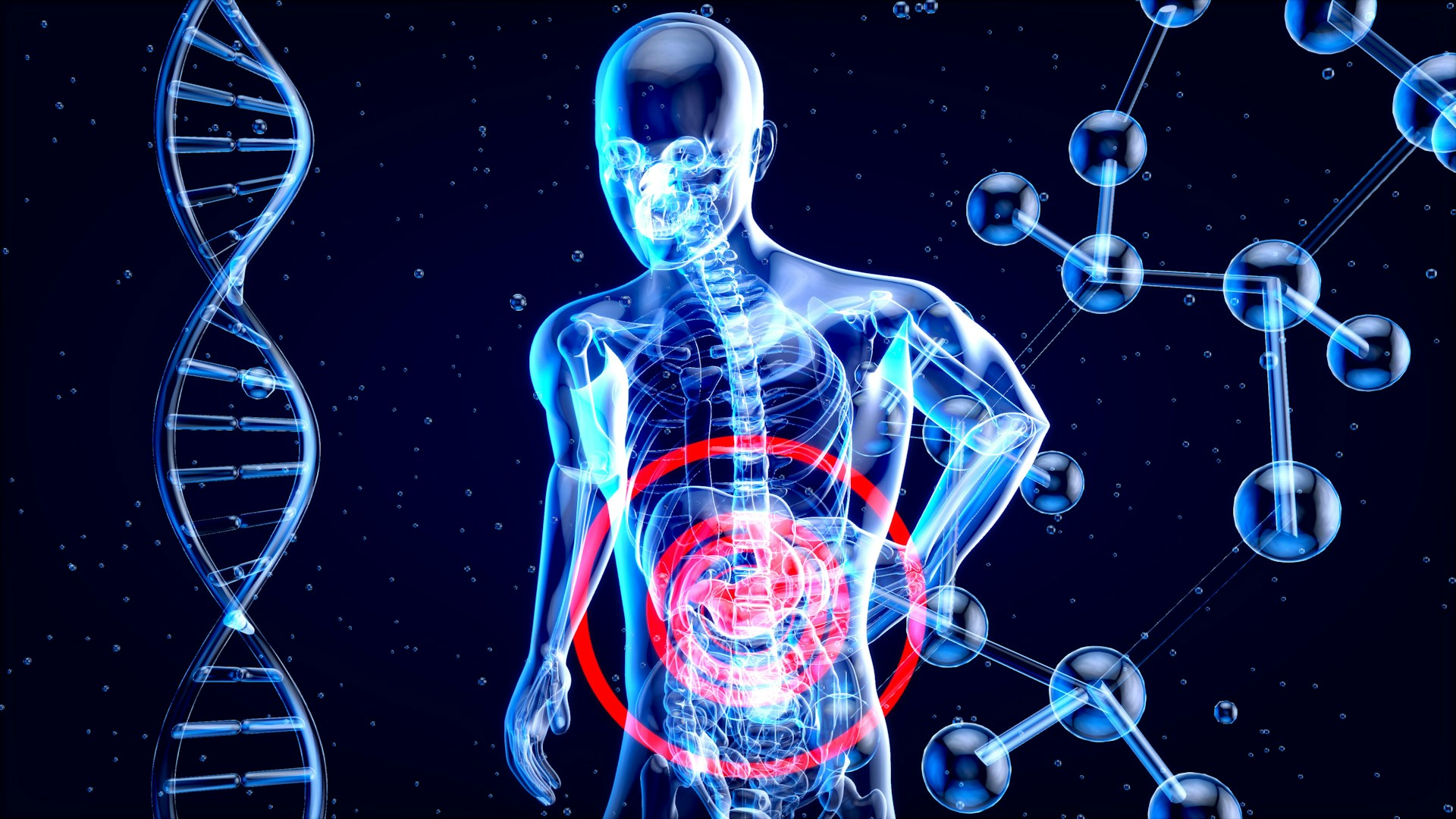
Punjabi University, Patiala, and PGIMER, Chandigarh, developed AI-based methods to aid diagnosis of Autoimmune Blistering Diseases (AIBDs), immune-mediated disorders affecting skin and mucous membranes. AIBDs include pemphigus, pemphigoid (bullous pemphigoid common in older adults) and dermatitis herpetiformis (linked to celiac disease). Diagnosis needs specialised tests; gold standards are DIF (perilesional biopsy), IIF and ELISA (serum antibodies).

Autoimmune Blistering Diseases Explained
Times of IndiaTimes of India
📄 GS Paper I
Awards

UN Military Gender Advocate of the Year Award

Major Abhilasha Barak, Engagement Team Commander and Gender Focal Point in UNIFIL (Lebanon), received the UN Military Gender Advocate of the Year Award for commitment to UNSC Resolution 1325 (Women, Peace and Security). Launched in 2016 under UN DPO with the Office of Military Affairs, it honours individual UN mission peacekeepers. Indian recipients: Major Suman Gawani (2019), Major Radhika Sen (2023), Barak (2025). UN peacekeeping, authorised by UNSC, deploys military/police/civilians; core principles: consent, impartiality, and non-use of force except self-defence. India is among the largest troop contributors.

UN Military Gender Advocate of the Year Award
PIBPIB
Environment

4th Global Coral Bleaching Event

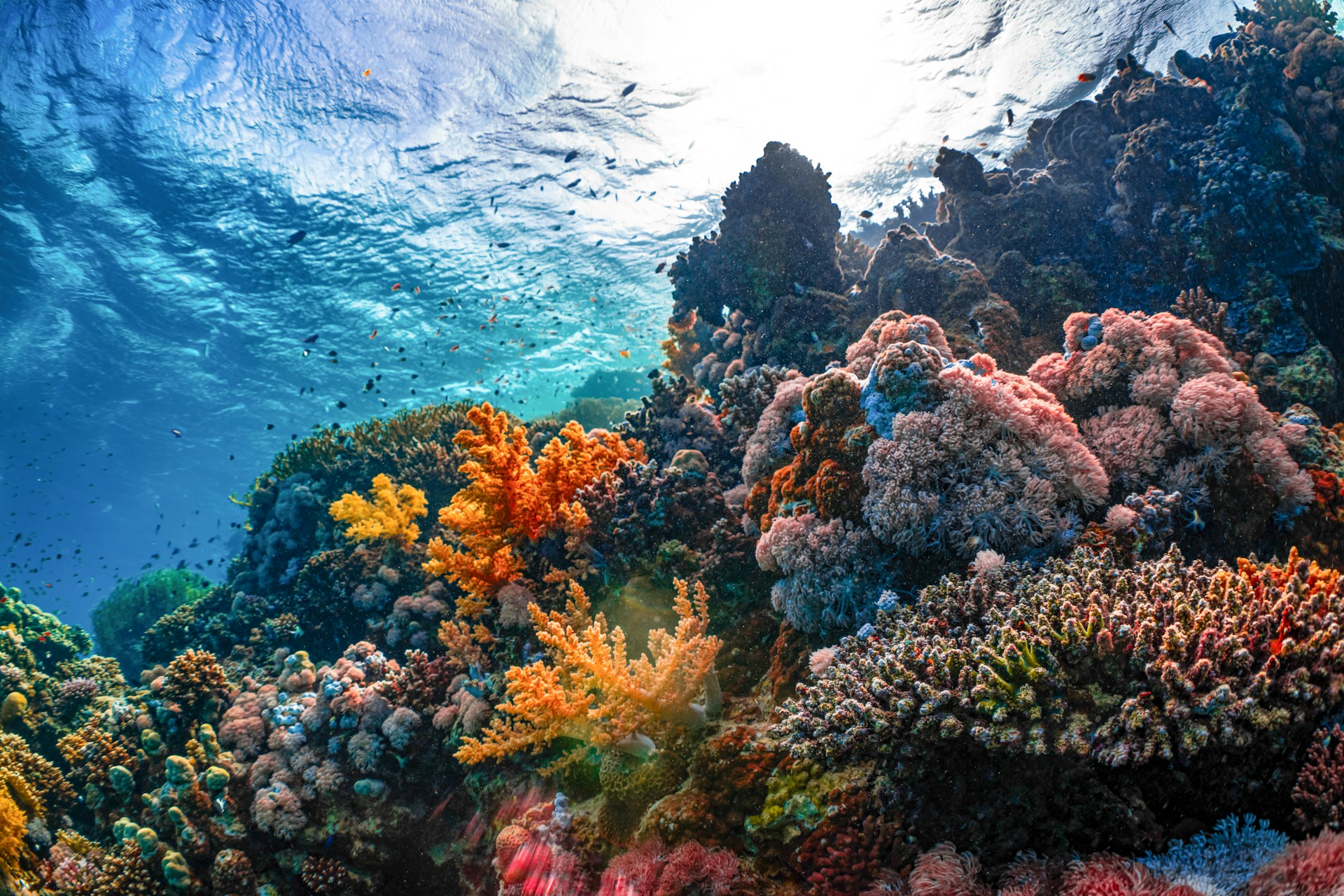
NOAA’s Coral Reef Watch reported the 4th global coral bleaching event as the fastest and widest on record, ending by mid-2025 after affecting 84% of reefs across 83 countries; severe bleaching in Western Australia (early 2025) marked its end. Bleaching occurs when stressed corals expel zooxanthellae; cold stress can also trigger it. NOAA’s CRCP, under the Coral Reef Conservation Act, coordinates reef protection.

4th Global Coral Bleaching Event
Down to EarthDown to Earth
📄 GS Paper III
Science & Technology

National Health Authority’s ABDM stack

Under Ayushman Bharat Digital Mission (ABDM), India’s digital health ecosystem has issued 90+ crore unique ABHA identity cards; women are nearly half of holders. Implemented by National Health Authority, ABDM supports secure, accessible healthcare via a 14-digit ABHA number, Healthcare Professionals Registry and National Health Claims Exchange, integrating Aarogya Setu and eSanjeevani (world’s largest documented telemedicine linking Health & Wellness Centres with specialists). Key challenges: digital divide, data-privacy risks and infrastructure constraints; it aids UHC, planning and emergency response.

National Health Authority’s ABDM stack
News On AirNews On Air
📄 GS Paper II
Sports

Grand Slam tennis tournaments

The 125th French Open (clay) concluded; Alexander Zverev (Germany) won Men’s Singles and Mirra Andreeva (Russia) Women’s Singles. Grand Slams comprise four annual majors in order: Australian Open (hard), French Open (clay), Wimbledon, Britain (grass), US Open (hard), managed by a board of four Grand Slam Chairs. Entry: ranked 500 or better; under-14 ineligible; doubles uses better singles/doubles rank; below-500 may enter via discretionary wild cards (no limit); prize money is performance-based.

Grand Slam tennis tournaments
Read moreRead more

June 11, 2026

Economy

Cambodia Becomes 9th Country to Adopt UPI Services

NPCI International Payments Limited (NIPL), NPCI’s international arm, and Cambodia’s ACLEDA Bank launched cross-border UPI payments in Cambodia via Bakong’s KHQR (national QR platform). Cambodia becomes the 9th UPI country (after Singapore, UAE, France, Mauritius, Nepal, Bhutan, Qatar, Sri Lanka). Phase 1 enables Indian travellers to pay at 4.5 million merchants; Phase 2 enables Cambodians in India to scan UPI QRs. UPI (2016) is RBI-regulated.

Cambodia Becomes 9th Country to Adopt UPI Services
PIBPIB
📄 GS Paper III
Social Issues

Herbal Cigarettes vs Tobacco Cigarettes

An IIT Gandhinagar–Illinois study finds herbal cigarettes are no safer than tobacco, emitting comparable or higher harmful particles and oxidative compounds. Combustion releases carbon monoxide, tar and polycyclic aromatic hydrocarbons. Tested herbal mixes included basil, clove, cinnamon, mint, green tea, chamomile and water lily; emissions showed ~20% more ultrafine particles. Tendu leaf-wrapped products showed ~49% higher oxidative potential. Tendu (Diospyros melanoxylon) is an NTFP (“Green Gold”) used to wrap beedis; regulation often falls under broader smoking/public health laws.

Herbal Cigarettes vs Tobacco Cigarettes
The HinduThe Hindu
Governance

Viksit Vibrant Village Program 2026

Department of Youth Affairs (Ministry of Youth Affairs & Sports), via Mera Yuva Bharat (MY Bharat), began Phase-I of Viksit Vibrant Village Program (VVVP) 2026: 7-day immersion in border villages of Ladakh, Himachal Pradesh and Uttarakhand, with Ministry of Home Affairs and ITBP. 500 volunteers (selected via online quiz; >3 lakh participants; all States/UTs) cover 43 villages (250) and 50 villages (250), engaging PRIs/administration/security for surveys, Gram Sabha, cleanliness, socio-economic assessment, development planning, and Nation First Challenge aligned to Viksit Bharat @2047.

Viksit Vibrant Village Program 2026
PIBPIB
📄 GS Paper II
Environment

Babesiosis in Lions

Arjun Modhwadia reported 8 Asiatic lions, including cubs, dead in Gir from suspected Babesiosis (Babesia). Livestock and ungulates like chital and nilgai are reservoirs; stress/co-infections can cause mortality. Forest Department containment includes isolation/quarantine, anti-protozoan drugs at Jasadhar Centre, and tick-control via cattle deworming, shed disinfection and burning grass near watering holes. Gir is the only habitat for Asiatic lions.

Babesiosis in Lions
Indian ExpressIndian Express
📄 GS Paper III
Governance

North Eastern Council

The North Eastern Council (NEC) held its 73rd Plenary Session on 4 June 2026 in Shillong, Meghalaya, discussing flagship initiatives (Bamboo, Agarwood, Ashtalakshmi Darshan), reviewing CM High-Level Task Forces, and deliberating the North East Vision Plan 2047. NEC is a statutory advisory body under the NEC Act, 1971; established 7 November 1972; under DoNER; covers 8 states (Sikkim added in 2002).

North Eastern Council
PIBPIB
📄 GS Paper II
Reports

India Adds 37 GW Solar in 2025, Overtakes US to Rank Second

In 2025, India added over 37 GW solar capacity, surpassing the USA’s 34 GW and ranking second globally for annual solar additions. Total installed solar capacity crossed 155 GW; non-fossil sources formed 51.93% of total installed power capacity (Dec 2025). Renewable Energy Statistics 2026 ranks installed renewables: China first, US second, India third. Initiatives include PM Surya Ghar (40 lakh households), 55 solar parks (40 GW), Green Energy Corridor Phase-II, ALMM enforcement, ISA leadership, and Paris Agreement NDCs achieved ahead of schedule.

India Adds 37 GW Solar in 2025, Overtakes US to Rank Second
Hindustan TimesHindustan Times
📄 GS Paper III
Reports

India’s Middle Class Expands 6.3% Annually (1995–2021)

India’s middle class (about 31% of population) expanded 6.3% annually during 1995–2021 and is projected to surpass China’s middle-class population by 2030–35. It is expected to drive 93% of spending by 2036 (80% in 2026), boosting human capital, entrepreneurship, and taxes (income tax, GST). Challenges include weak real wages, high living costs, job insecurity (AI/gig), debt, and low social security. Initiatives: zero tax up to ₹12 lakh, GST reforms, PM Jan Dhan and JAM, PMAY-Urban/SWAMIH, Metro/UDAN, Eat Right India, Ayushman Bharat-PMJAY.

India’s Middle Class Expands 6.3% Annually (1995–2021)
PIBPIB
📄 GS Paper I

June 10, 2026

Awards

Food Planet Prize 2026

Andhra Pradesh’s community-led Andhra Pradesh Community-managed Natural Farming (APCNF) programme won the 2026 Food Planet Prize. The Food Planet Prize, established in 2019 by Swedish entrepreneur-philanthropist Curt Bergfors through the Curt Bergfors Foundation, is the world’s largest environmental award for transforming food systems, offering $1.5 million to scale solutions within 10 years. APCNF, launched in 2016 by Rythu Sadhikara Samstha under the state agriculture department, helps farmers shift to natural farming, cutting synthetic inputs, improving soil health, biodiversity and resilience, and reducing input costs.

Food Planet Prize 2026
Down to EarthDown to Earth
Miscellaneous

Aravalli Range

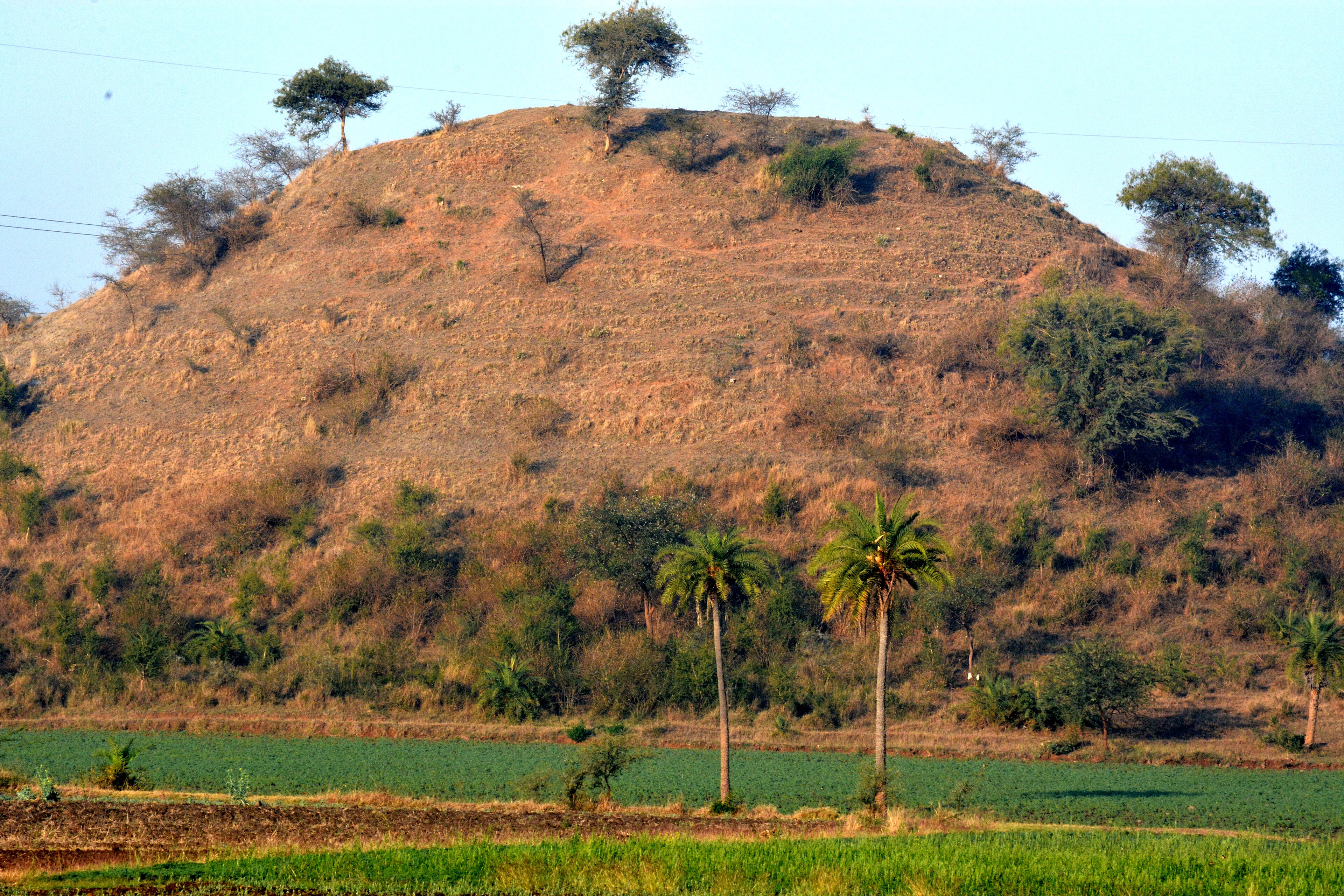
A pre-monsoon convective dust storm (Andhi) hit Churu, reducing visibility; dust spread across western/northern Rajasthan (Churu, Bikaner, Jaisalmer, Sri Ganganagar) into Haryana, Punjab and NCR. Driven by intense heating over the Thar creating low pressure and convective updrafts, it highlights Aravallis: Proterozoic fold, SW-NE, across Gujarat-Rajasthan-Haryana-Delhi; Guru Shikhar (Mount Abu); Luni-Sabarmati-Banas; quartzite-marble-schist-gneiss; barrier and climatic divide; fragmented (28 gaps), degraded by illegal mining, hill flattening, deforestation and urbanisation, worsening desertification and food security.

Aravalli Range
Indian ExpressIndian Express
📄 GS Paper I
Economy

NSO’s New Index of Industrial Production Series

NSO (MoSPI) released a revised Index of Industrial Production (IIP) series with base year shifted from 2011–12 to 2022–23 (index=100), aligning with updated GDP/GVA series. Industrial output grew 4.9% in April 2026 (5.8% a year earlier). Basket expanded to 1,042 products (463 groups) and sectoral indices to four: Mining, Manufacturing, Electricity, and a composite gas/water/sewerage/waste division, with a linking formula for continuity.

NSO’s New Index of Industrial Production Series
The HinduThe Hindu
📄 GS Paper III
International

India–China Boundary Dispute

35th WMCC reviewed India–China border situation. Dispute arises from differing perceptions of the LAC along the 3,488‑km boundary. 1865 WH Johnson’s Johnson Line placed Aksai Chin in J&K; 1914 Simla proposed McMahon Line; China opposed; 1962 war. Disputed sectors: western Ladakh–Aksai Chin, middle (HP/UK), eastern Arunachal/Tawang (‘South Tibet’), Sikkim’s Doklam tri-junction. 2005 framework: political parameters, settlement framework, final delineation/demarcation; peace on LAC, no unilateral change/buffer zones, comprehensive talks.

India–China Boundary Dispute
The HinduThe Hindu
📄 GS Paper II
Defence

RudraM-II Missile

India successfully flight-tested the indigenous RudraM-II missile. RudraM-II is an air-to-surface missile designed for launch from an airborne platform. It has been developed by Research Centre Imarat (RCI), Hyderabad, along with other organisations. RCI, Hyderabad functions as a nodal laboratory under the Defence Research and Development Organisation (DRDO).

RudraM-II Missile
News On AirNews On Air
📄 GS Paper III
Schemes

Prime Minister Research Chair Scheme

Department of Higher Education, Ministry of Education, invited applications for the Prime Minister Research Chair (PMRC) Scheme 2026, a flagship Government of India initiative to strengthen India’s research and innovation ecosystem by attracting and engaging distinguished Indian-origin researchers worldwide and placing globally experienced experts in leading Indian higher research institutions. Eligibility: Young Research Fellows (0–5 years post-PhD), Senior Fellows (5–10), Research Chairs (10+ with leadership). Hosts: government HEIs ranked Top 100 (NIRF Overall/Engineering) or Top 50 (Research), etc.

Prime Minister Research Chair Scheme
News On AirNews On Air
📄 GS Paper II

June 9, 2026

Reports

India’s Seafood Exports Hit 19.72 Lakh Tonnes, $8.46 Billion in FY2025–26

India’s seafood exports hit an all-time high in FY 2025–26 at 19,72,018 MT valued at USD 8.46 billion. Frozen shrimp led exports, contributing 40.19% of quantity and 66.52% of earnings; the US and China were top destinations. MPEDA (Ministry of Commerce and Industry) supports exports via PMMSY, FIDF, higher duty-free input limits, and SHAPHARI certification, alongside proposals on indigenous broodstock, global standards, export facilitation, and an SSGC.

India’s Seafood Exports Hit 19.72 Lakh Tonnes, $8.46 Billion in FY2025–26
PIBPIB
Miscellaneous

Union Agriculture Ministry Launches One-Month Khet Bachao Abhiyan from Madhya Pradesh

Khet Bachao Abhiyan is a nationwide one-month campaign launched by the Union Agriculture Minister at Ramsia village, Raisen district, Madhya Pradesh. Implemented through district- and village-level activities, it is monitored via dashboards and field demonstrations. Led by IIVR, Varanasi, with Ministry of Agriculture and ICAR guidance, it promotes soil health, sustainable farming, balanced fertiliser/natural farming, soil testing/Soil Health Cards, checks fake inputs, mandates scientist field visits during June 1–30, and links KCC, PM-Kisan, crop insurance, mini seed kits, pulses & oilseeds mission and mechanisation programmes.

Union Agriculture Ministry Launches One-Month Khet Bachao Abhiyan from Madhya Pradesh
News On AirNews On Air
Science & Technology

Synthetic Biology Explained

Synthetic biology involves redesigning organisms for useful purposes by engineering new abilities, enabled by advances in understanding genes/cells and AI, allowing genome-wide engineering with desired properties. Uses include bioremediation and modifying rice to produce beta-carotene to prevent Vitamin A deficiency. Unlike genome editing’s small DNA changes, it stitches long/novel DNA segments into genomes. Key concerns: affordability of personalised therapies, biosafety, biosecurity, cyberbiosecurity, and ethical issues on equity and risk-benefit distribution.

Synthetic Biology Explained
The HinduThe Hindu

Judiciary

Delhi High Court Recognises ‘Right to Be Forgotten’

The Delhi High Court in ‘Laksh Vir Singh Yadav v. Union of India & Ors’ recognised the ‘Right to Be Forgotten’ as an integral facet of the fundamental right to privacy under Article 21. It laid principles for de-indexing or masking names in court records. De-indexing removes name-based searchability without deleting records, operates globally, applies to acquittal/discharge cases, and excludes cases involving women, children, or breach of public trust; masking replaces identifiers with neutral labels (e.g., XYZ).

Delhi High Court Recognises ‘Right to Be Forgotten’
Economic TimesEconomic Times
International

India-Myanmar Leaders Review Bilateral Ties

India’s Prime Minister and Myanmar’s President reviewed bilateral ties and regional/global issues, including AI and space. Both welcomed growth of the Rupee-Kyat settlement mechanism, operationalized in 2024, to ease trade. Myanmar links India’s Neighbourhood First, Act East and MAHASAGAR policies. Key connectivity projects are the India-Myanmar-Thailand Trilateral Highway and Kaladan Multi-Modal Project. The 1,643 km border drives security cooperation against cross-border insurgencies and arms/narcotics from the Golden Triangle; ties also rest on shared Theravada Buddhist heritage.

India-Myanmar Leaders Review Bilateral Ties
PIBPIB
📄 GS Paper II
Environment

Ground-Level Ozone in Troposphere

Analysis flags ground-level ozone (O3) as a growing air-pollution challenge in Delhi. It is a secondary pollutant in the troposphere, formed when Nitrogen Oxides (NOx) react with Volatile Organic Compounds (VOCs) in sunlight (NOx + VOCs + sunlight → O3). Major sources include vehicles, industries and thermal power plants; levels peak in summer. Impacts: respiratory ailments, crop damage and photochemical smog. Safe limits: 100 µg/m3 (8-hour) and 180 µg/m3 (1-hour) under WHO standards and NAAQS, 2009.

Ground-Level Ozone in Troposphere
Times of IndiaTimes of India
📄 GS Paper III
Places in News

Kshipra River

Kshipra (Shipra) riverine system in Madhya Pradesh faces a crisis as drying tributaries undermine its perennial flow. A tributary of the Chambal, it originates in the Vindhya Range near Ujjain, flows across the Malwa Plateau, and is about 195 km long; major tributaries are Khan and Gambhir. Considered sacred like the Ganga, Ujjain lies on its right bank; it is cited in Hindu, Buddhist and Jain texts, hosts Sandipani’s ashram, and the Ujjain Kumbha Mela every 12 years.

Kshipra River
Read moreRead more
📄 GS Paper I