Current Affairs

pib_logo

And other top trusted sources

4 September 2026

International

India Rejects Permanent Court of Arbitration Award on Indus Waters Treaty

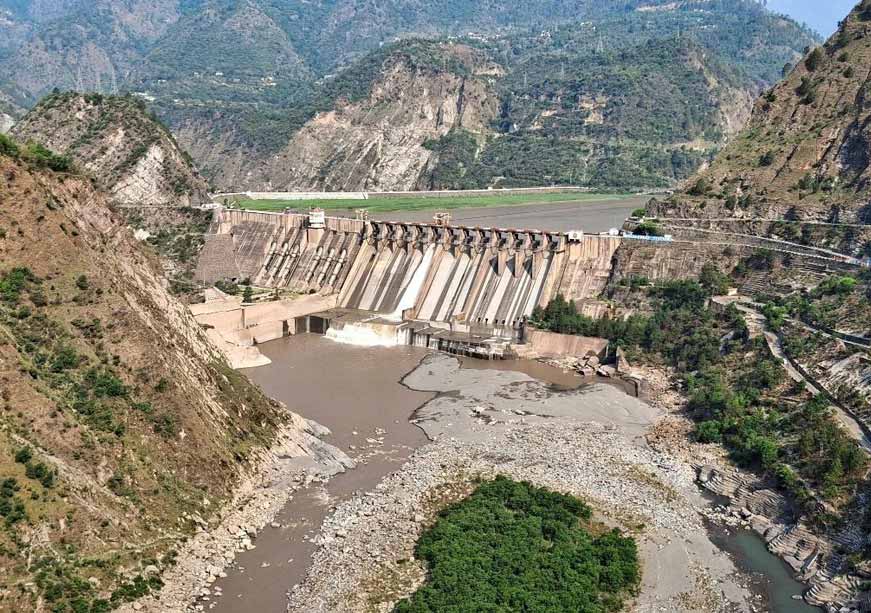
India rejected an award by a Hague-based Court of Arbitration under the Permanent Court of Arbitration on the Indus Waters Treaty (1960), linked to India’s abeyance decision and interim measures for the Ratle Hydroelectric Project. Pakistan sought arbitration in 2016; India sought a Neutral Expert for Kishenganga (330 MW) and Ratle (850 MW). India says simultaneous proceedings breach Article IX’s sequential PIC-NE-CoA process and boycotts the tribunal appointed via the World Bank. Eastern rivers (Ravi, Beas, Sutlej) are India’s; western (Indus, Jhelum, Chenab) Pakistan’s, with India’s limited non-consumptive uses.

India Rejects Permanent Court of Arbitration Award on Indus Waters Treaty
Hindustan TimesHindustan Times
Governance

Ministry of Civil Aviation Launches ‘Easy Connect’ Hub-and-Spoke Model

The Ministry of Civil Aviation launched Phase I of the ‘Easy Connect’ hub-and-spoke aviation strategy to ease international travel from Tier-2 and Tier-3 cities. Smaller “spoke” airports will link to major hubs (e.g., Delhi) for seamless onward international flights and improved connectivity. About 35% of India’s international passengers currently transit via foreign hubs such as Dubai, London and Singapore. The plan aims to boost efficiency of UDAN-developed regional airports.

Ministry of Civil Aviation Launches ‘Easy Connect’ Hub-and-Spoke Model
Economic TimesEconomic Times

3 September 2026

Social Issues

Article 17 Test for Caste-Based Purity Rituals

A “shuddhikaran” ritual at Haldwani’s Ramlila ground after a Dalit person used the venue raised whether it constitutes “untouchability” under Article 17. Article 17 abolishes untouchability “in any form,” is enforceable against non-State actors, and is operationalised by the Protection of Civil Rights Act, 1955 (renamed in 1976). Sukanya Shantha v Union of India (2024) linked untouchability to purity-pollution notions. Surya Narayan Choudhary (1988) held purification as a discriminatory condition violating Articles 14, 15, 17.

Article 17 Test for Caste-Based Purity Rituals
The HinduThe Hindu
Miscellaneous

Raja Mircha, the GI-Tagged Naga King Chilli

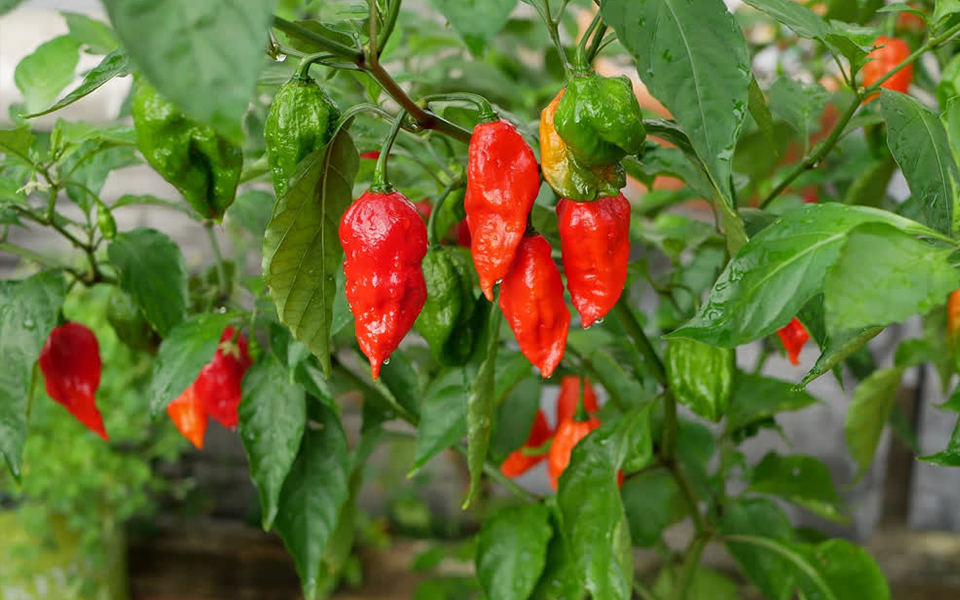
Nagaland’s Tourism and Higher Education Minister highlighted Raja Mircha, a GI-tagged chilli linked to the state. Also called Naga King Chilli/Bhut Jolokia, it is a chilli pepper (Capsicum chinense) cultivated mainly in Nagaland. Among the world’s hottest, it ranks in the top 10. It matures from green to vibrant red; subconical-conical, finely wrinkled, thin-fleshed. GI tag (2008) was Nagaland’s first GI product; “Naga Mircha” becomes exclusive to the region.

Raja Mircha, the GI-Tagged Naga King Chilli
NDTVNDTV
Environment

Male Mahadeshwara Hills Sanctuary flags half of poaching cases

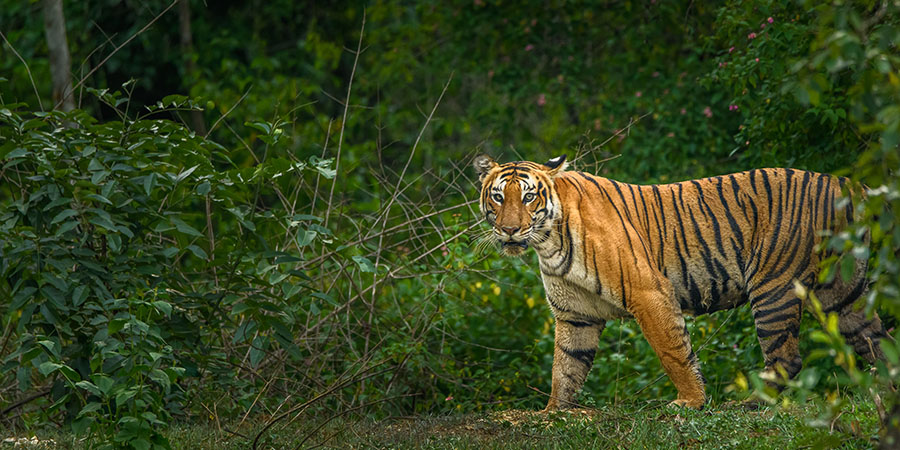
Forest Department data on registered poaching and illegal arms cases over the last 16 years shows Male Mahadeshwara Hills Wildlife Sanctuary accounts for nearly half such enforcement cases. Located at the Western-Eastern Ghats junction in Chamarajanagara, Karnataka, it was notified in 2013; contiguous with BRT and Sathyamangalam Tiger Reserves and Cauvery WS. Boundaries: Kaveri (NE), Palar (S). Vegetation: dry deciduous to shola; fauna include elephants and tigers.

Male Mahadeshwara Hills Sanctuary flags half of poaching cases
Read moreRead more
Science & Technology

Aditya-L1 Early Warning Signs of Solar Flares

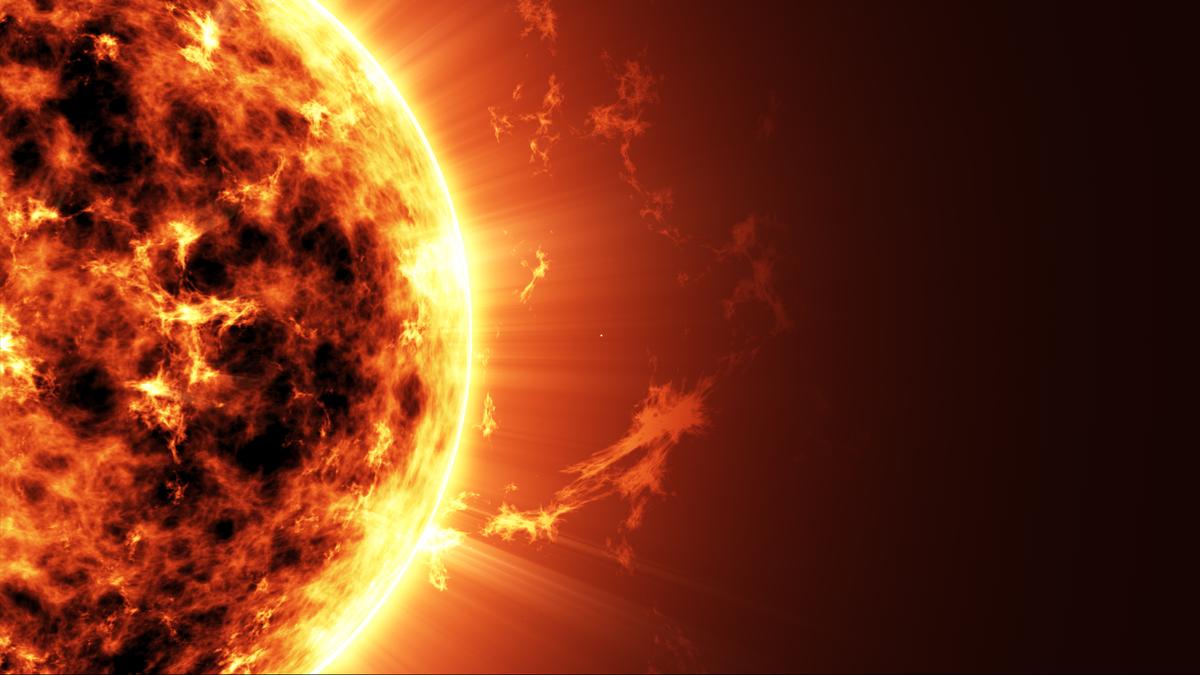
India’s Aditya-L1 mission study by the Manipal Centre for Natural Sciences (MAHE), ISRO and the Department of Space detected pre-flare transient events-small, short-lived brightenings - hours before major solar flares, clustered at the eventual flare site. SUIT’s Mg II h filter (chromosphere; 11 NUV filters) and X-ray spectrometers SoLEXS/HEL1OS showed some X-ray signatures, suggesting small-scale magnetic energy release. L1 orbit enables continuous monitoring for flare forecasting and mitigating impacts on spacecraft, radio/GPS and astronauts.

Aditya-L1 Early Warning Signs of Solar Flares
Read moreRead more
Science & Technology

JNCASR-IISc-University of Sydney report modified ScN with record Seebeck voltage

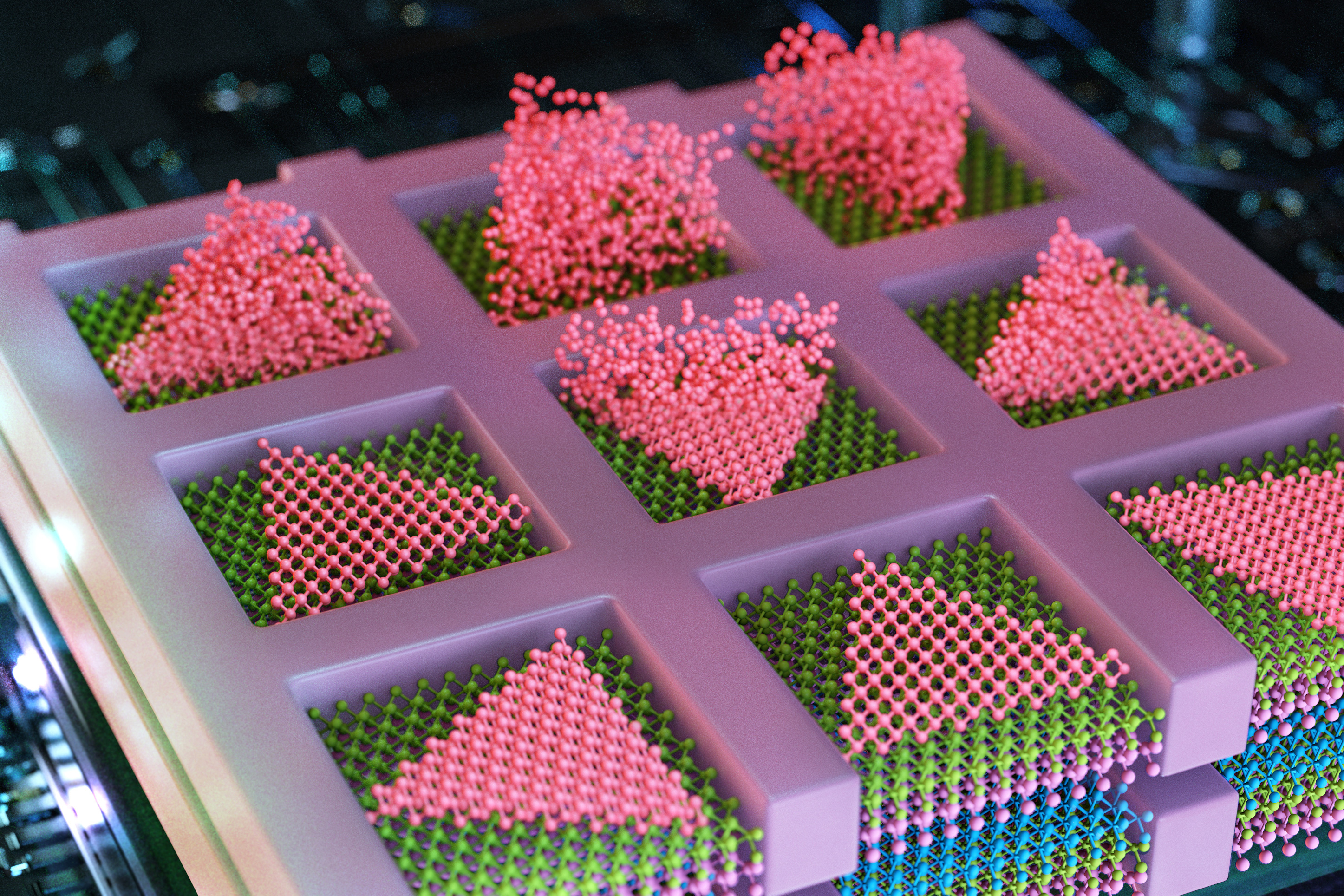
Scientists from JNCASR, IISc and the University of Sydney reported a crystalline inorganic semiconductor producing thermoelectric voltage far beyond the accepted limit. Using scandium nitride (ScN) with intentional magnesium doping, they created a heavily doped, highly compensated (HDHC) semiconductor with charge compensation. The Seebeck effect generates voltage under a temperature gradient; modified ScN showed a record Seebeck coefficient of -124.6 mV/K near room temperature, versus the earlier practical few mV/K limit for crystalline solids.

JNCASR-IISc-University of Sydney report modified ScN with record Seebeck voltage
PIBPIB
Science & Technology

Evidence for Vacuum Birefringence Reported in Aug 2026

In Aug 2026, observations of magnetar 1E 1547.0-5408 (~14,700 light-years away; rare radio-emitting) provided evidence for QED-predicted vacuum birefringence, envisaged by Heisenberg and Euler (1930s), where virtual particle pairs make strongly magnetised “empty” space behave like a birefringent crystal. Using IXPE, NICER (ISS) and Murriyang/Parkes polarimetry, X-ray polarisation reached ~65-80% and decreased with energy; models including birefringence best fit.

Evidence for Vacuum Birefringence Reported in Aug 2026
The HinduThe Hindu
International

India, Uzbekistan Elevate Ties to Comprehensive Strategic Partnership

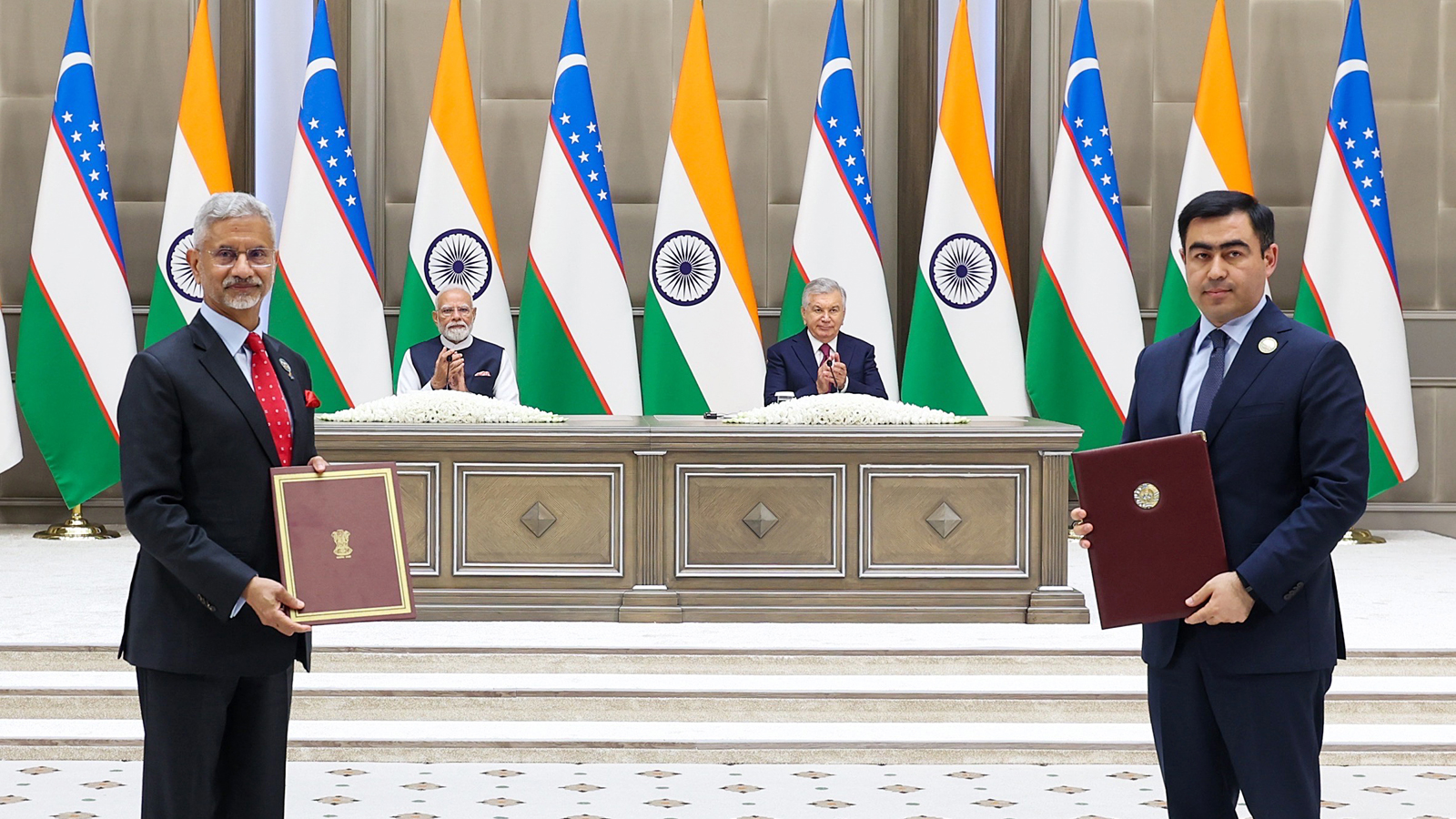
During the Prime Minister’s visit to Tashkent, India and Uzbekistan elevated ties to a Comprehensive Strategic Partnership. They agreed on a long-term uranium supply arrangement for civilian nuclear power under IAEA safeguards and signed an MoU on mining and geology for cooperation on critical minerals, including uranium. A 2019 contract covers 1,100 metric tonnes of yellowcake till 2026; ~600 tonnes were received by March 2025. CSP targets bilateral trade USD 5 billion by 2030.

India, Uzbekistan Elevate Ties to Comprehensive Strategic Partnership
Indian ExpressIndian Express
Science & Technology

C-DOT Unveils 14 Indigenous Quantum Products

On its 43rd Foundation Day, C-DOT (Centre for Development of Telematics), under the Department of Telecommunications, Ministry of Communications, unveiled 14 indigenous quantum products spanning Quantum Key Distribution (QKD) and Post-Quantum Cryptography (PQC) to strengthen India’s communication network security. Key offerings include Q-AKSHAY CD (compact fibre QKD using COW/DPS), Q-AKSHAY MD (MDI-QKD), and PQC devices using NIST algorithms such as Q-SETU (80 Mbps L3), Q-MAHASETU (40 Gbps L2/3) and Q-AMOGH (200 Gbps L1), aligned with the National Quantum Mission, Digital India and Atmanirbhar Bharat.

C-DOT Unveils 14 Indigenous Quantum Products
PIBPIB

2 September 2026

Environment

Gangaichthys indonepalicus described as new stygobitic fish

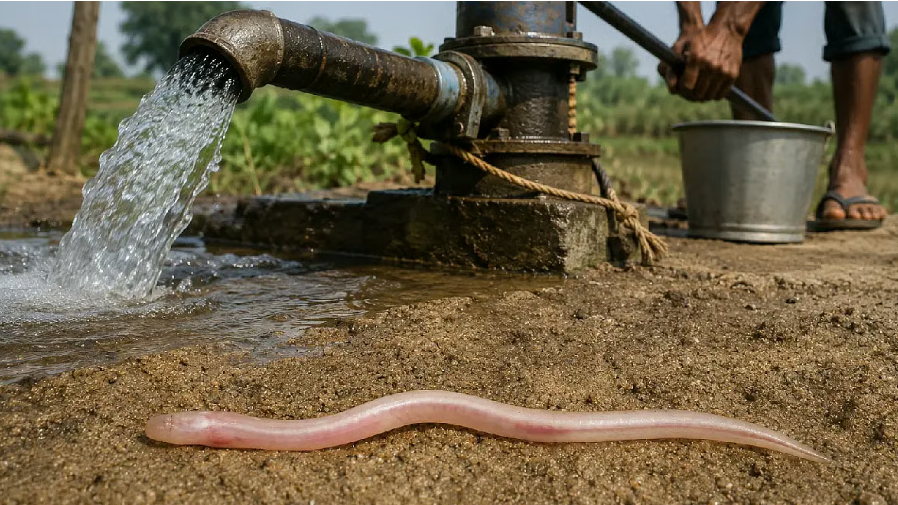
A 2024 TikTok video from a borewell near the India-Nepal border led to scientific scrutiny, and in 2026 the organism was formally described as a new stygobitic fish, Gangaichthys indonepalicus. A small, blind, unpigmented “earthworm eel”, it lives entirely in groundwater beneath the Gangetic Basin (family Chaudhuriidae; order Synbranchiformes). Fieldwork across 15 sites pumped thousands of litres, yielding three specimens. Naming reflects Ganga and India-Nepal; findings expand Indo-Gangetic groundwater biodiversity understanding.

Gangaichthys indonepalicus described as new stygobitic fish
The HinduThe Hindu
Governance

National Council for Clinical Establishments Issues Minimum Standards for Mortuaries

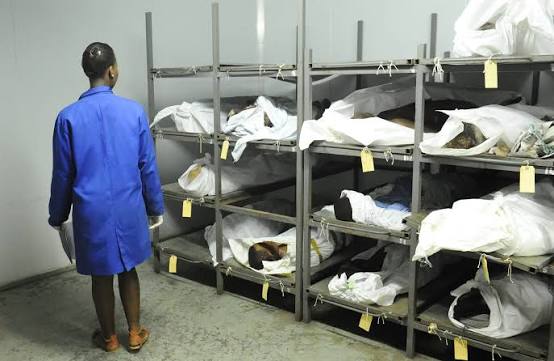
The National Council for Clinical Establishments (under the Directorate General of Health Services) has authorised India’s first national minimum standards for mortuary and post-mortem infrastructure. Applicable to public and private hospitals in States/UTs adopting the Clinical Establishments Act, implementation rests with States/UTs. Standards aim uniformity, earlier guided mainly by state police manuals/medico-legal rules; prohibit basement morgues or sites near waste, mandate unique body numbering, and align staffing/resources with autopsy volume.

National Council for Clinical Establishments Issues Minimum Standards for Mortuaries
LivemintLivemint
Environment

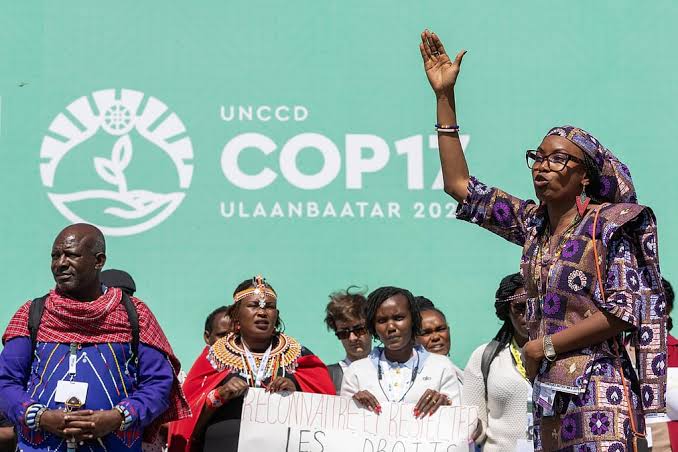
UNCCD Launches Rangelands Flagship Initiative at COP17

UNCCD launched the Rangelands Flagship Initiative at its COP in Mongolia (reported as COP17; also described as COP13) during the International Year on Rangelands and Pastoralists (2026). Backed by Party resolutions, including COP16/L.15, it targets poverty reduction, food security and Land Degradation Neutrality-linked synergy with climate and biodiversity action. Components: Knowledge (LDN principles, standards), Investment (restoration portfolio), Institutions (global coalition, NDC integration per COP27).

UNCCD Launches Rangelands Flagship Initiative at COP17
Down to EarthDown to Earth
Economy

MoSPI Releases National Accounts Statistics 2026

Ministry of Statistics and Programme Implementation released National Accounts Statistics 2026 with base year 2022-23. It contains 60 statements on GDP, national/per-capita income, sectoral output and GVA, PFCE/GFCE, savings-capital formation, public-sector and external transactions. It includes provisional GDP for 2025-26 and quarterly GDP from 2022-23 to 2025-26, using new PPI, revised IIP and BkSPI (base 2022-23; released June 2026), revising GDP from 2022-23 onward at current/constant prices with sector-specific changes.

MoSPI Releases National Accounts Statistics 2026
PIBPIB
Environment

UNCCD COP17 Ends Without Consensus on Global Drought Framework

UNCCD COP17 (Aug 17-28, 2026) in Ulaanbaatar, Mongolia, theme “Restoring Land. Restoring Hope.”, with 197 Parties plus scientists, Indigenous Peoples, pastoralists and youth, aimed to turn land pledges into financing, drought resilience and rangeland management. Parties failed to agree on a global drought framework (US citing sovereignty, UNCCD Drought Toolbox/WMO early warning, opposing binding/voluntary tools; resisting gender/civil society/Rio synergies); negotiations continue at COP18 and drought remains a stand-alone agenda. Outcomes include DRIF (UNCCD-Luxembourg-IDRA) targeting $400 million; Riyadh partnership pooled fund for ~70 countries; Drought Resilience Index; $1.3 billion across 23 countries ($644.5 million new, $216.4 million confirmed); Rangelands Flagship $1.2 billion for 45 projects, aligned with 2026 International Year of Rangelands and Pastoralists.

UNCCD COP17 Ends Without Consensus on Global Drought Framework
Down to EarthDown to Earth
Economy

India’s Forex Reserves Rise $12.4 Billion to $729.3 Billion

India’s foreign exchange reserves rose by $12.4 billion to a record $729.3 billion in the week ended August 21, 2026. Held by the Reserve Bank of India as external assets, reserves meet international payment requirements and maintain confidence. Components include Foreign Currency Assets (FCAs), gold, SDRs, and IMF Reserve Tranche Position. FCAs rose $9.48 billion to $591.33 billion.

India’s Forex Reserves Rise $12.4 Billion to $729.3 Billion
News On AirNews On Air
Environment

NDMA Flags Two New Glacial Lakes After Nepal Bhote Koshi-Trishuli Floods

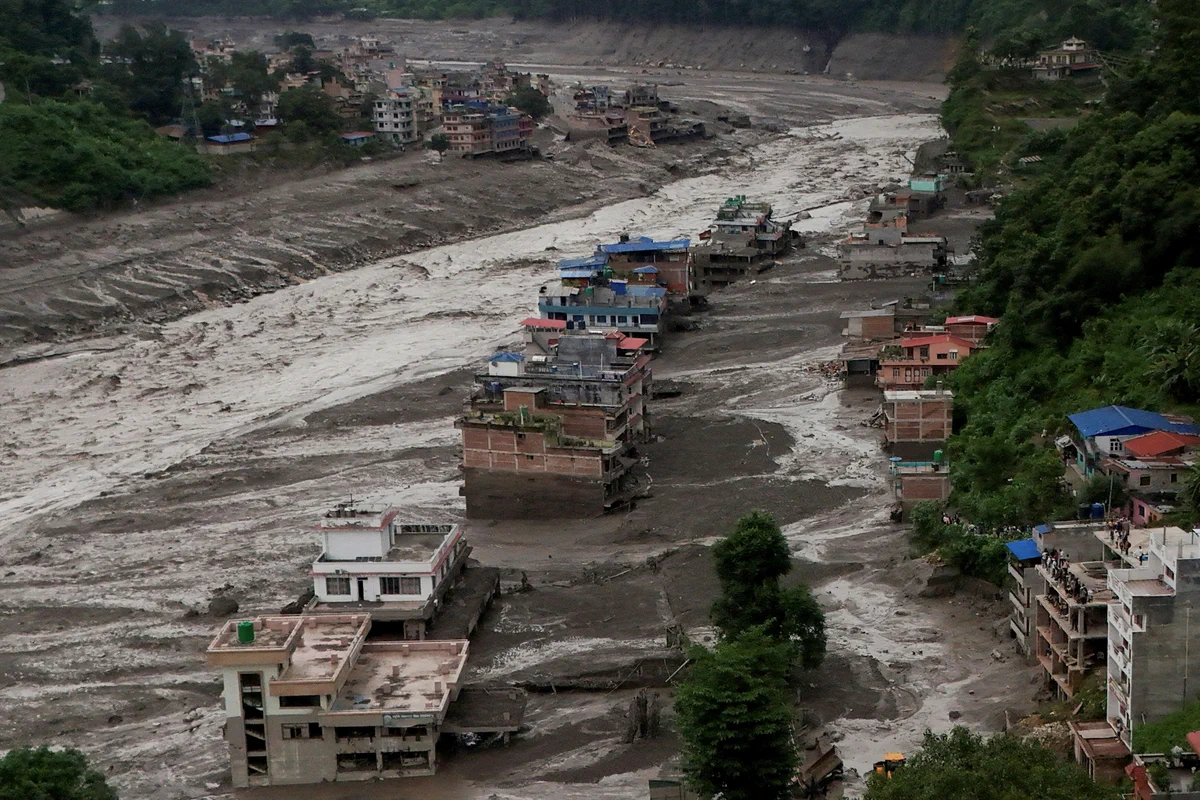
Following the August 26, 2026 avalanche and floods in Nepal’s Bhote Koshi-Trishuli system, officials and satellite data confirmed new glacial lakes near the source. India’s NDMA identified two lakes (19.80 ha, 7.28 ha) associated with moraines; Suhora Technologies imagery showed an ~20.25-ha lake at Lhende Khola on the Nepal-Tibet border (~5,200 m, near Langtang Lirung). Moraine/debris-dammed origin is suspected; depth/volume are unknown; field verification and satellite monitoring continue.

NDMA Flags Two New Glacial Lakes After Nepal Bhote Koshi-Trishuli Floods
The HinduThe Hindu
Economy

India Q1 FY27 GDP Grows 7.8%, Beating RBI’s 7% Projection

India’s real GDP grew 7.8% in Q1 FY2026-27 (Apr-Jun 2026), above RBI’s 7% estimate; nominal GDP rose 10.3% and real GVA 8.2%. Real GFCF increased 11.9% (share 34.3%). Sectoral growth: manufacturing 9.2%, services 10% (finance/real estate/IT/professional 12.1%), construction 7.7%, agriculture 3.6%, mining -2.4%. Risks flagged: crude above $80 amid US-Iran tensions, inflation, June monsoon shortfall, El Niño peaking late-2026 affecting rabi crops; EAC-PM sees 34-35% investment needed; CEA cites “resilience”.

India Q1 FY27 GDP Grows 7.8%, Beating RBI’s 7% Projection
Indian ExpressIndian Express
Environment

GCRMN’s Seventh Status Report Flags More Frequent Coral Bleaching

The Global Coral Reef Monitoring Network’s seventh “Status of Coral Reefs of the World” report notes coral bleaching events are becoming more frequent and recovery periods have shortened sharply. Bleaching occurs when corals (marine invertebrate polyps forming colonies) face stress from higher temperature, pollution or ocean acidity. Stressed zooxanthellae produce reactive oxygen species; corals expel them, exposing white exoskeleton and disrupting symbiosis.

GCRMN’s Seventh Status Report Flags More Frequent Coral Bleaching
Down to EarthDown to Earth
Awards

Ramon Magsaysay Awards 2026

Singaporean lawyer-diplomat Tommy Koh, Myanmar activist Bo Kyi and Bangladeshi social worker Runa Khan won the Ramon Magsaysay Awards 2026. Asia’s premier prize, first instituted in 1958, is named after former Philippine President Ramon Magsaysay and presented in Manila on August 31. Awardees are selected annually by the RMAF board of trustees and receive a certificate and a medallion.

Ramon Magsaysay Awards 2026
The HinduThe Hindu

1 September 2026

International

India-Uzbekistan Elevate Ties to Comprehensive Strategic Partnership

During the Indian PM’s Tashkent visit, India–Uzbekistan ties were upgraded to a Comprehensive Strategic Partnership on the 15th anniversary of the Strategic Partnership. Cooperation spans civil nuclear energy (near-final long-term uranium supply), trade (USD 1 bn to USD 5 bn by 2030; roadmap on access, connectivity, banking), defence-industrial co-development/co-production (JWG; Dustlik), counter-terrorism, visa-free 30 days, UPI use, Buddhist sites restoration (Fayaz/Kara Tepa), 100 Hindi scholarships, ICCR Sanskrit Chair, new FM-level Coordination Group, Joint Commission elevated to ministerial, and USD 1 mn Aral Sea afforestation grant.

India-Uzbekistan Elevate Ties to Comprehensive Strategic Partnership
Indian ExpressIndian Express
Economy

India Considers Qualified MFN Clause in Bilateral Investment Treaty Reforms

Union Government is considering restructuring India’s BIT framework, introducing a Qualified MFN clause (non-discrimination with limits) instead of the open-ended MFN dropped in the 2015 Model BIT, which also avoided a full FET standard. Proposals: cut domestic remedies/ISDS window from 5 years to 1, extend post-expiry protection from 5 to 10 years, expand “investment” to include portfolio/financial assets, and ban third-party funding. India is negotiating about a dozen BITs; net FDI averaged ~US$40 bn (FY20–FY22) and ~US$7.65 bn in FY26 (preliminary).

India Considers Qualified MFN Clause in Bilateral Investment Treaty Reforms
Indian ExpressIndian Express
Places in News

Iran launches ballistic missiles at US bases after Larak Island strike

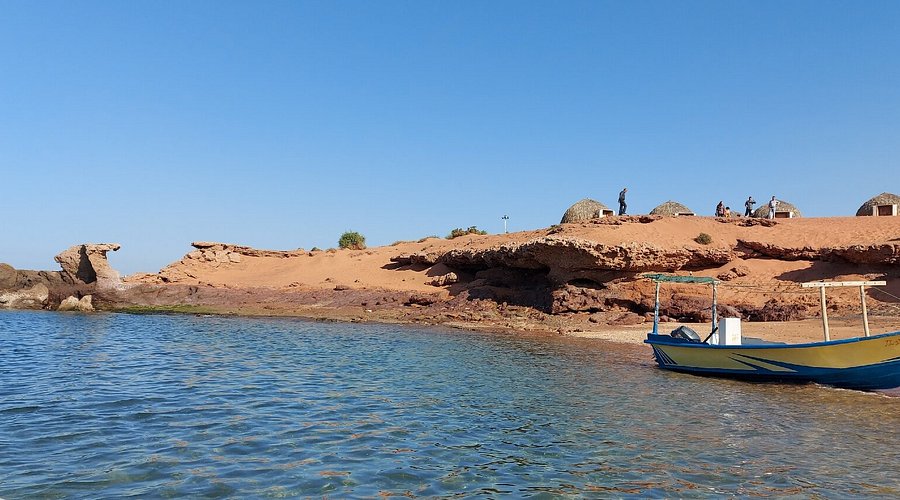
Iran retaliated with ballistic missiles at US bases in Jordan after the Larak Island strike, refocusing attention on Larak Island and the Strait of Hormuz. Larak is a small 49 sq km island in the strait, south of Hormuz Island, ~45 km southeast of Bandar Abbas and 18 km southeast of Qeshm’s eastern end. The strait is a narrow waterway between Iran and the Arabian Peninsula (UAE, Musandam-Oman), linking the Persian Gulf (west) with the Gulf of Oman (east) and the Arabian Sea; Iran lies north and UAE south; islands include Hengam, Hormuz and Qishm.

Iran launches ballistic missiles at US bases after Larak Island strike
Indian ExpressIndian Express
Economy

Ministry of Chemicals and Fertilizers Upgrades iFMS

Ministry of Chemicals and Fertilizers announced a new phase of the Integrated Fertilizer Management System (iFMS), a national digital platform developed and technically supported by NIC for the Department of Fertilizers. iFMS provides dealer registration, stock tracking, dealer search, and MIS/DBT reports, linking production, imports, movement, retail sale and subsidy processing. It covers 14 crore Aadhaar-linked buyers and 2.5 lakh retailers; new dashboards enable multi-level monitoring.

Ministry of Chemicals and Fertilizers Upgrades iFMS
PIBPIB
Environment

Nature study maps 219 hanging glaciers in Uttarakhand

A study in Nature mapped 219 hanging glaciers in the Alaknanda basin, Garhwal Himalayas (Uttarakhand). Hanging glaciers are ice masses perched on steep slopes, formed when valley glaciers retreat and thin, leaving tributary glaciers high above; if fully melted, the empty valleys are “hanging valleys”. They can detach, triggering avalanches and secondary hazards like GLOFs. High-elevation glaciers are climate-sensitive; Himalayan warming in the past two decades exceeds the global average, accelerating retreat.

Nature study maps 219 hanging glaciers in Uttarakhand
Indian ExpressIndian Express
Governance

Legal Metrology (Indian Standard Time) Rules, 2026 Notify IST as Single Reference Time

Union Government notified Legal Metrology (Indian Standard Time) Rules, 2026, making IST the single reference time for official, legal and commercial use, with digital synchronisation for banking/digital payments, telecom, transport, power grids and networks. Rules promote Indian timing sources to reduce foreign satellite dependence; NavIC (ISRO) may disseminate secure IST. Compliance period: 180 days. “One Nation, One Time” includes a White Rabbit demo network at RRSL Bengaluru linking NSE Chennai; partners: CSIR-NPL, ISRO, SEBI, NSE, BSNL.

Legal Metrology (Indian Standard Time) Rules, 2026 Notify IST as Single Reference Time
The HinduThe Hindu
Economy

Himachal Pradesh Crossbreeds Australian Merino With Gaddi Sheep

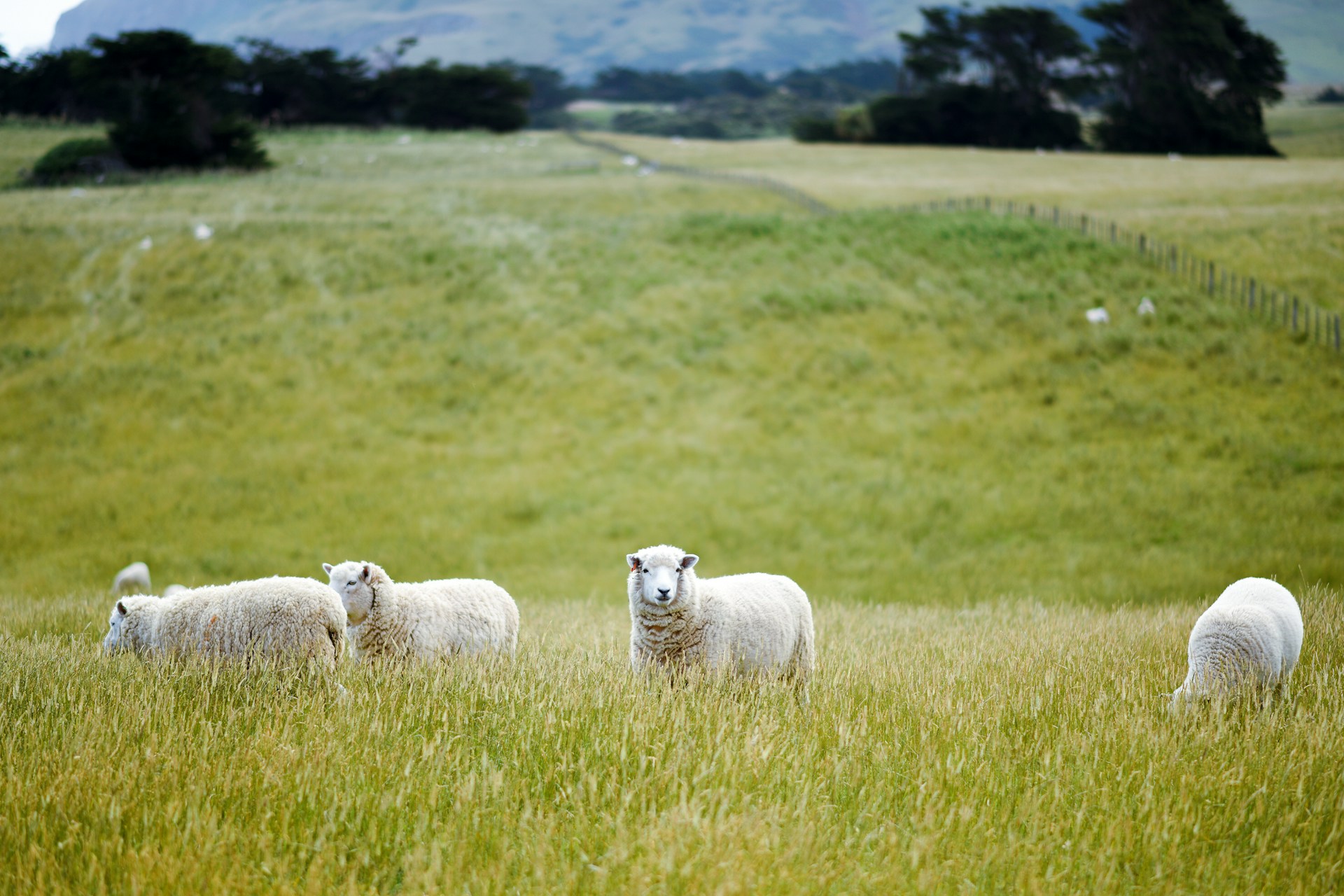
Himachal Pradesh’s Australian Merino-Gaddi/Pahari crossbreeding programme, under the National Livelihood Mission (2021), is run at the Government Sheep Breeding Farm, Nagwain (Mandi). Using artificial insemination, 240 imported Merinos (40 males, 200 females) are crossed to improve wool quality and raise output from ~1,500 to 3,000 tonnes by 2027. Concerns include gene-pool loss, poor adaptation/health and weak markets; measures stress conservation, monitoring, cooperatives and fair prices.

Himachal Pradesh Crossbreeds Australian Merino With Gaddi Sheep
Down to EarthDown to Earth
International

8-Point Consensus on Boundary Management

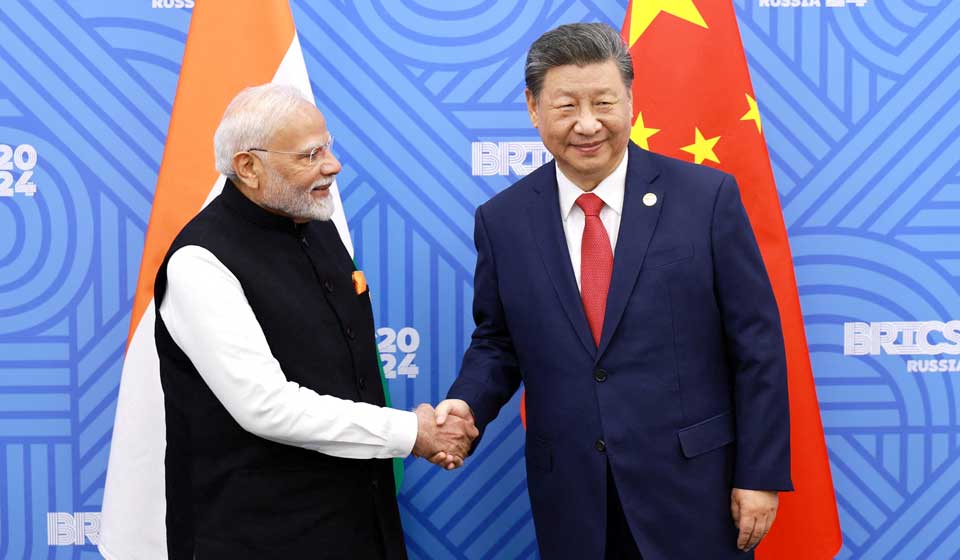
India and China held the Special Representatives (SR) dialogue on the boundary question, co-chaired by Ajit Doval and Wang Yi, adopting an 8-point consensus. An Expert and Working Group will pursue an “Early and Substantial Harvest”, first finalising Terms of Reference. Border management includes two new military meeting points and two hotline channels in the Eastern and Middle Sectors; both will improve understanding of the undemarcated LAC, using WMCC and commander-level mechanisms. Talks follow the 2005 Agreement on Political Parameters and Guiding Principles. Both welcomed reopening three border trade points, strengthening trade and pilgrimage; China will increase Kailash-Manasarovar batches. Trans-border rivers: Expert-Level Mechanism meets in September; hydrological data sharing and MoU renewals to continue. 26th SR round will be in India in 2027.

8-Point Consensus on Boundary Management
Times of IndiaTimes of India
Environment

46 Vulture Carcasses Linked to Hazardous Power Infrastructure
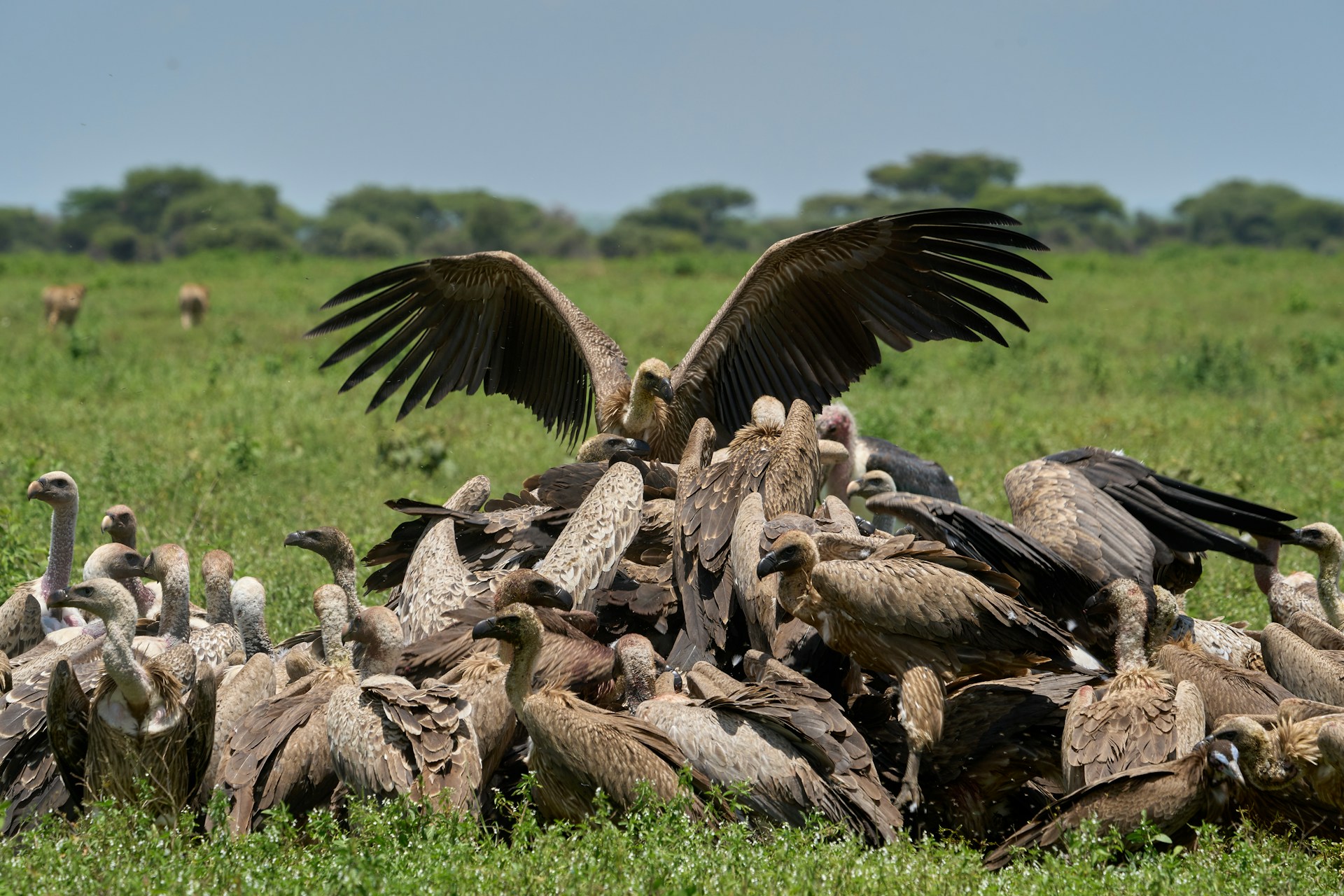
A study in the Journal of Threatened Taxa reported vulture mortality due to electrocution from high-tension power infrastructure at Sudhauwala, Dehradun, with 46 vulture carcasses recorded. Relocating a livestock carcass dumping site 2.4 km away reduced risk; vultures continued using the new site, with no mortality during limited monitoring. Other raptors included Black Kite (Milvus migrans) and Crested Serpent Eagle (Spilornis cheela). Major threats include electrocution, poisoning, veterinary NSAIDs, food scarcity, and habitat loss.

46 Vulture Carcasses Linked to Hazardous Power Infrastructure
The HinduThe Hindu
Science & Technology

Delhi University’s Transgenic Mustard Hybrid DMH-11

Transgenic mustard hybrid DMH-11 is promoted to raise yields and cut edible-oil imports. Developed by Delhi University’s Centre for Genetic Manipulation of Crop Plants, it carries Barnase, Barstar and Bar genes from Bacillus amyloliquefaciens: male sterility/cross-pollination, fertility restoration, and glufosinate herbicide tolerance. Mustard is grown in dry central/northwestern India; key constraint is Orobanche aegyptiaca. Concerns include smallholder intercropping, ecological risks, herbicide-resistant weeds, and loss of edible “weeds”. Non-GM mutagenised imidazolinone-tolerant mustard exists; measures include improved agronomy, System of Mustard Intensification, and diverse oilseeds.

Delhi University’s Transgenic Mustard Hybrid DMH-11
Down to EarthDown to Earth