|
Study Links Low Vitamin D to Higher Post-Surgery Pain
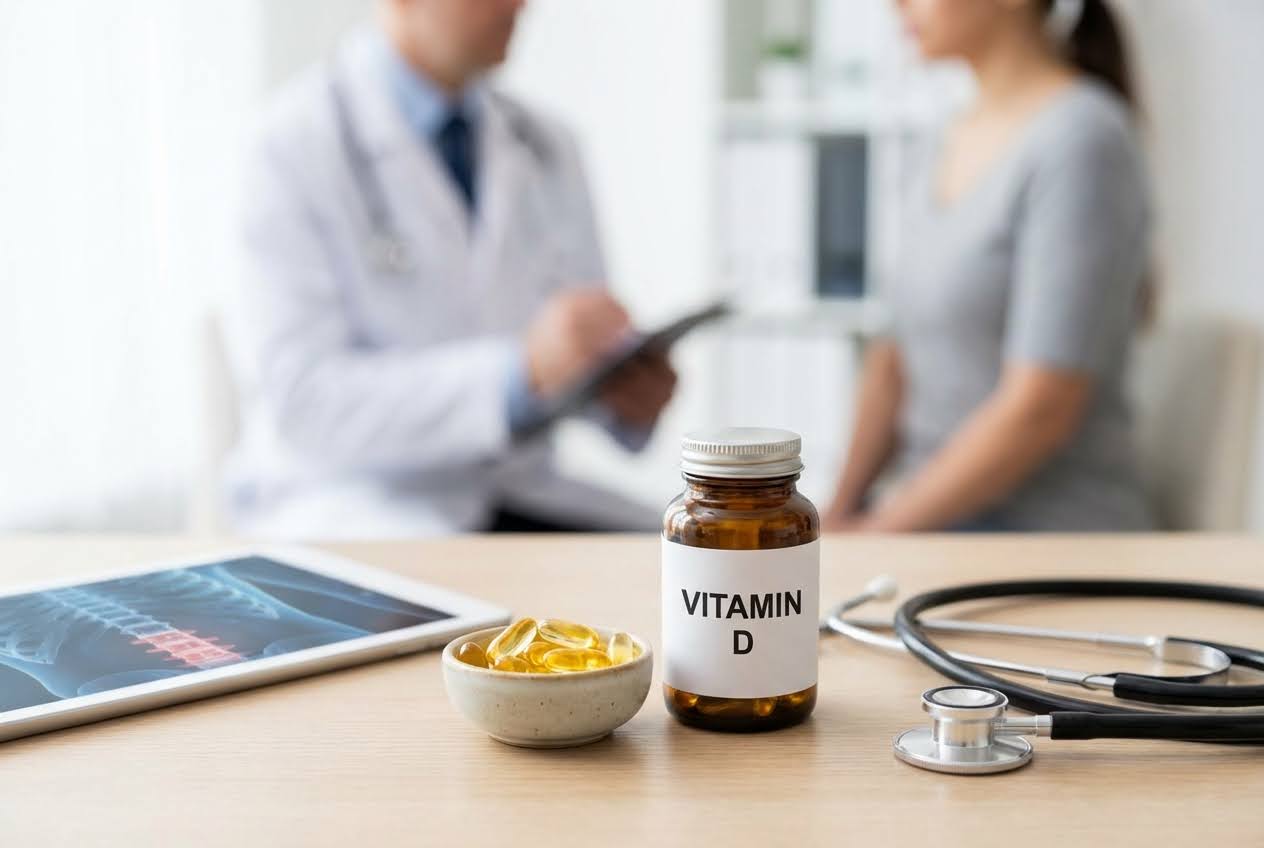
A study of 184 women undergoing mastectomy reports that low vitamin D levels correlate with more painful recovery after breast cancer surgery. Vitamin D (calciferol) is discussed in the context of its sources, body roles, deficiency outcomes, and potential harms at very high blood levels.
Key Facts of Vitamin D:
| Dimension | Key Details |
|---|---|
| Vitamin type and name | Vitamin D comprises a fat-soluble vitamin also referred to as calciferol. |
| Availability forms | Vitamin D comprises natural presence in a few foods, addition to other foods, and availability as a dietary supplement. |
| Endogenous production | Vitamin D synthesis applies to ultraviolet (UV) rays from sunlight striking the skin and triggering vitamin D synthesis. |
| Storage and release | During periods of sunlight, vitamin D storage applies to fat, and release applies when sunlight is not available. |
| Dietary sources listed | Dietary sources comprise fortified foods such as milk, cereal, and yogurt, and natural sources such as egg yolks, saltwater fish, and liver. |
| Physiological roles listed | Vitamin D comprises roles: calcium absorption; maintenance of adequate calcium and phosphorus levels in the blood for healthy bones and teeth; reduction of inflammation; modulation of cell growth, neuromuscular and immune function, and glucose metabolism. |
| Deficiency outcomes listed | Vitamin D deficiency comprises rickets in children and osteomalacia in teens and adults. |
| Deficiency risk groups mentioned | Vitamin D deficiency applies as being more common in people with higher skin melanin content (darker skin) and who wear clothing with extensive skin coverage. |
| Harms at very high blood levels | Very high blood vitamin D levels comprise nausea, vomiting, muscle weakness, confusion, pain, loss of appetite, dehydration, excessive urination and thirst, and kidney stones; extremely high levels comprise kidney failure, irregular heartbeat, and death. |