Current Affairs

pib_logo

And other top trusted sources

5 September 2026

Governance

Census 2026 in Manipur Deferred Amid NRC Demands

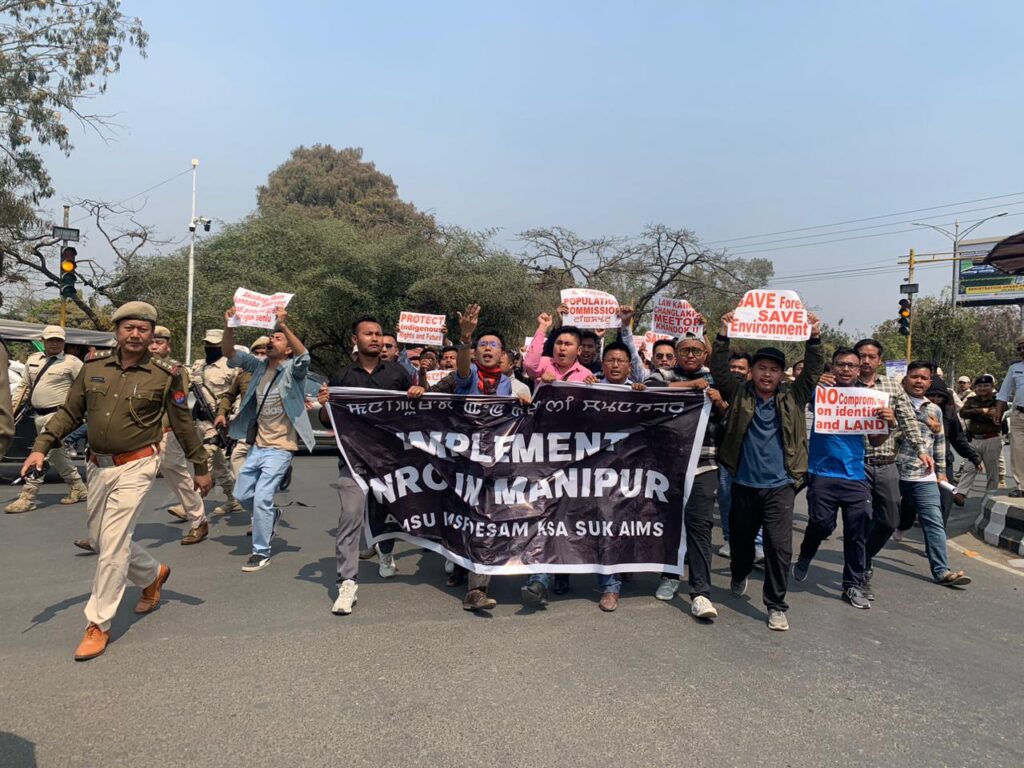
A high-level meeting in Delhi agreed to defer the Census in Manipur, citing public feelings and aspirations, amid demands to conduct an NRC with 1951 as base year. Meiteis Pangals and Naga groups filed petitions in Manipur High Court seeking NRC revision, action on illegal migration from Myanmar, and Census only thereafter. Census: Union List (7th Schedule), notified by Union via Gazette, run by Registrar General (MHA), under Census Act, 1948. NRC began with 1951 Census; mandated for all States but done only in Assam.

Census 2026 in Manipur Deferred Amid NRC Demands
The HinduThe Hindu

Economy

MoSPI Clarifies Q1 FY2026-27 GDP Estimates and New Methodology Changes

MoSPI clarified GDP estimates for Q1 FY2026-27. It explained double deflation, where gross output and intermediate consumption are independently deflated: Real GVA = Real Gross Output − Real Intermediate Consumption. A negative GVA deflator need not imply falling manufacturing prices; it can occur when input prices rise faster than output prices. GDP revisions reflect base-year changes, improved sources, new IIP data, PPI introduction and methodological updates. GDP is estimated by production and expenditure approaches; differences from data/timing gaps, missing information, errors and preliminary quarterly estimates are recorded as statistical discrepancy.

MoSPI Clarifies Q1 FY2026-27 GDP Estimates and New Methodology Changes
Read moreRead more
Judiciary

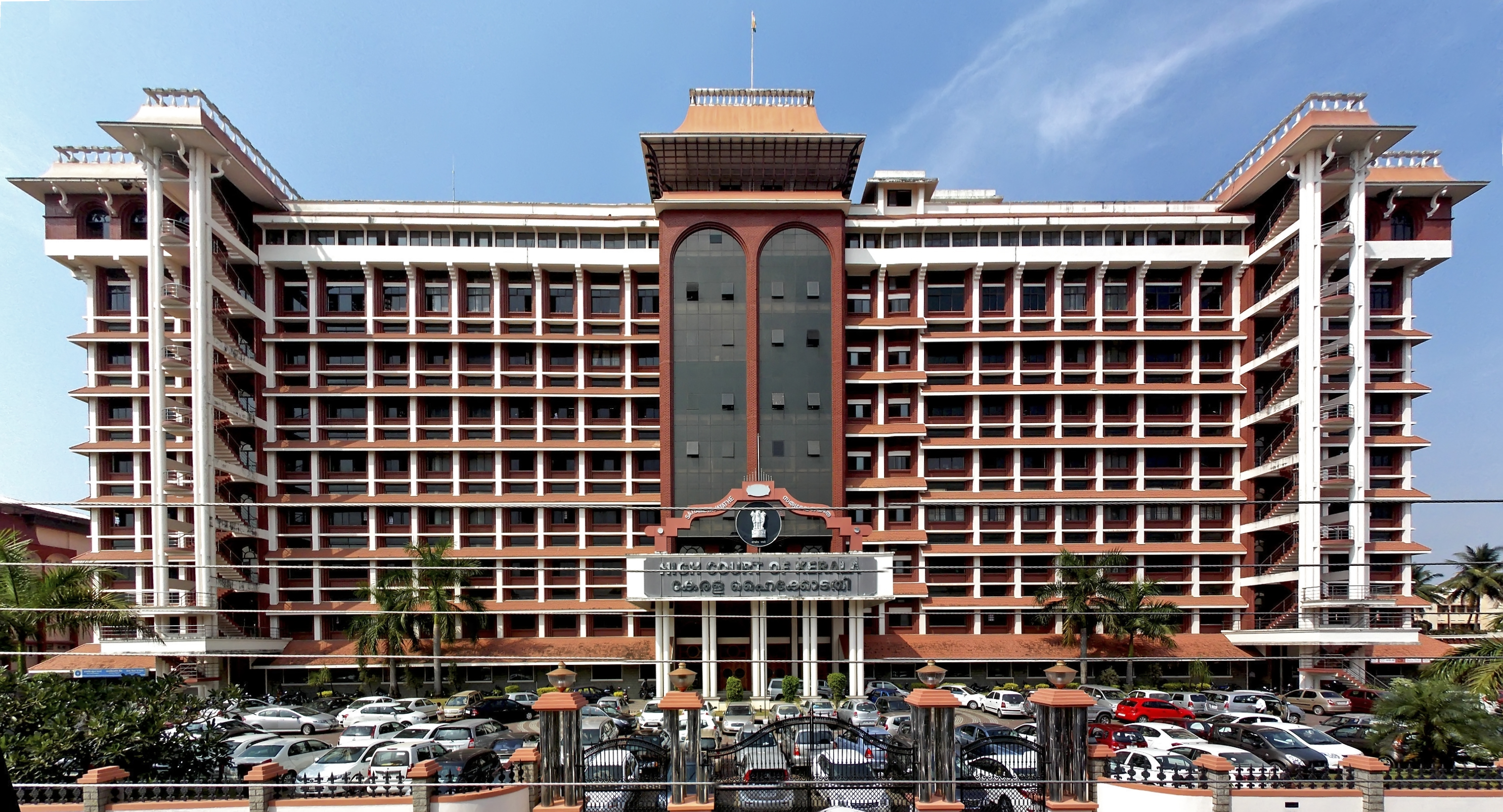
High Court of Kerala Name Unchanged Without Parliament Act

Kerala has updated its official name to “Keralam” for State institutions, but the High Court continues as the “High Court of Kerala” since judiciary is independent and renaming needs a Parliamentary High Court Name Amendment Act. Similar 2016 Madras/Bombay renaming bills lapsed. Pre-1949 courts: Travancore (Thiruvananthapuram), Cochin (Ernakulam), Malabar under Madras. Travancore-Cochin HC formed 1 July 1949 at Ernakulam; Kerala and Kerala HC created under States Reorganisation Act, 1956 on 1 November 1956.

High Court of Kerala Name Unchanged Without Parliament Act
The HinduThe Hindu
Governance

Jal Sanchay Jan Bhagidari Launched to Scale Community-Led Water Conservation

Jal Sanchay Jan Bhagidari (JSJB), established 6 September 2024, promotes low-cost groundwater recharge/storage structures and revival of defunct borewells via whole-of-government/society approach guided by 3Cs (Community, CSR, Cost). JSJB 1.0 built >27 lakh structures (May 2025); JSJB 2.0 (June 2025) built >1.5 crore (May 2026); total >1.58 crore by 3 September 2026. Expanded as “JSJB: Catch the Rain” with Jal Shakti Abhiyan: CTR since June 2026; a key pillar of the Ministry of Jal Shakti Departmental Summit (New Delhi, 1–2 September 2026; first in series) alongside water infrastructure, source sustainability, and Jal Jeevan Mission 2.0; PM suggested Jal Utsav, capacity-building, inter-State study visits, and water data governance.

Jal Sanchay Jan Bhagidari Launched to Scale Community-Led Water Conservation
PIBPIB

4 September 2026

Science & Technology

Researchers identify brain circuit linked to chemotherapy side effect cold allodynia

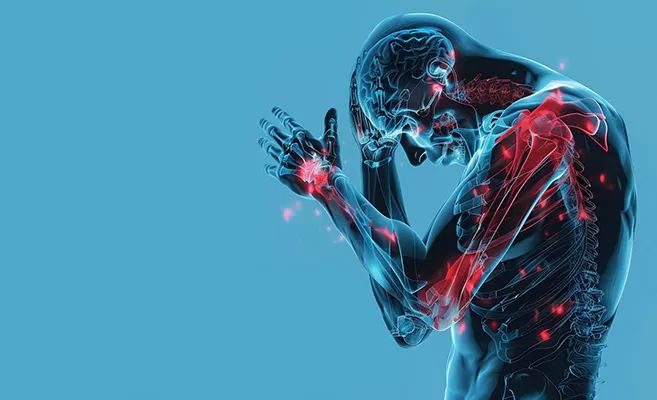
Researchers identified a brain circuit linked to chemotherapy side effect cold allodynia, a neuropathic pain where mild cold causes intense burning/freezing; symptoms include sharp pain, tingling, pins-and-needles. Causes: diabetes (peripheral nerve injury/diabetic neuropathy), chemotherapy (e.g., platinum drug oxaliplatin), infections (shingles), autoimmune diseases (lupus, rheumatoid arthritis), B12 deficiency. Management: pregabalin, gabapentin, duloxetine; lidocaine/capsaicin, NSAIDs; warming measures; TENS.

Researchers identify brain circuit linked to chemotherapy side effect cold allodynia
Indian ExpressIndian Express
Schemes

Pradhan Mantri Fasal Bima Yojana allocation for 2026-27

Government allocated ₹12,200 crore for PMFBY, launched 18 February 2016, for 2026-27. It covers risks from prevented sowing to post-harvest losses from drought, flood, cyclone and hailstorm. Premium caps: 2% Kharif, 1.5% Rabi, 5% commercial; subsidy 50:50 (90:10 NE/Himalayan). Implemented in 25 States/UTs in Kharif 2026; claims since inception exceed ₹2.06 lakh crore. NCIP, DigiClaim-PFMS, YES-TECH and KRPH helpline 14447 support delivery.

Pradhan Mantri Fasal Bima Yojana allocation for 2026-27
PIBPIB
Environment

Striped Hyena (Hyaena hyaena) as scavenger

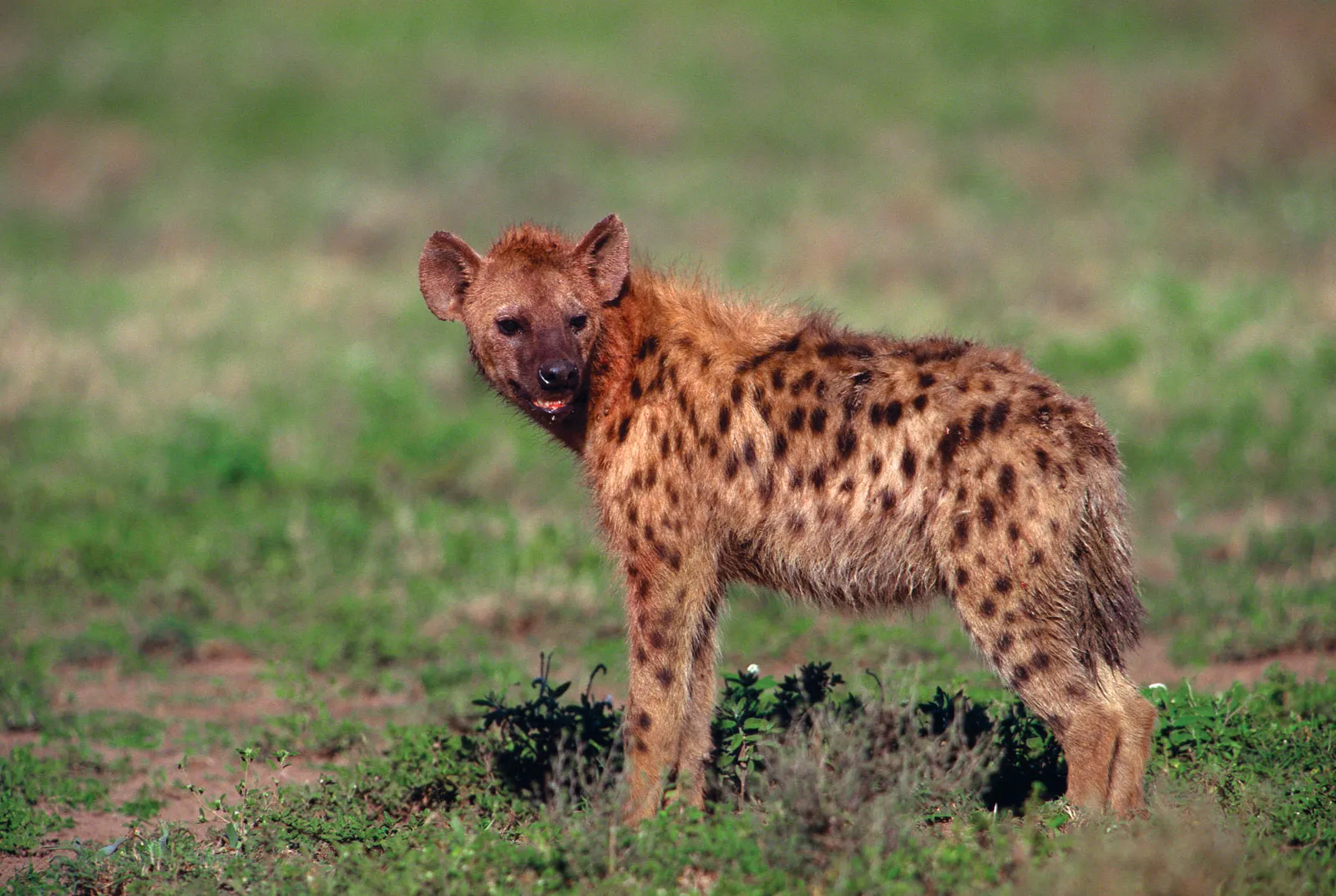
A report highlights the striped hyena (Hyaena hyaena) as a key scavenger in India’s grasslands and rural landscapes, aiding sanitation and reducing pathogen risks (anthrax, rabies, bovine tuberculosis). Powerful jaws, specialised dentition and high gastric acidity enable bone and carrion digestion; dens are used multi-generationally. It is IUCN Near Threatened and protected under Wildlife (Protection) Act, 1972 Schedule III. Habitats include Deccan Plateau, Thar, Gir, Velavadar and Pench; threats include myths-driven persecution, grassland diversion as “wastelands”, roadkills, wells and stray dogs.

Striped Hyena (Hyaena hyaena) as scavenger
The HinduThe Hindu

Judiciary

Supreme Court Invokes Article 142 to Quash FIRs Against NEET-UG 2026 Protesters

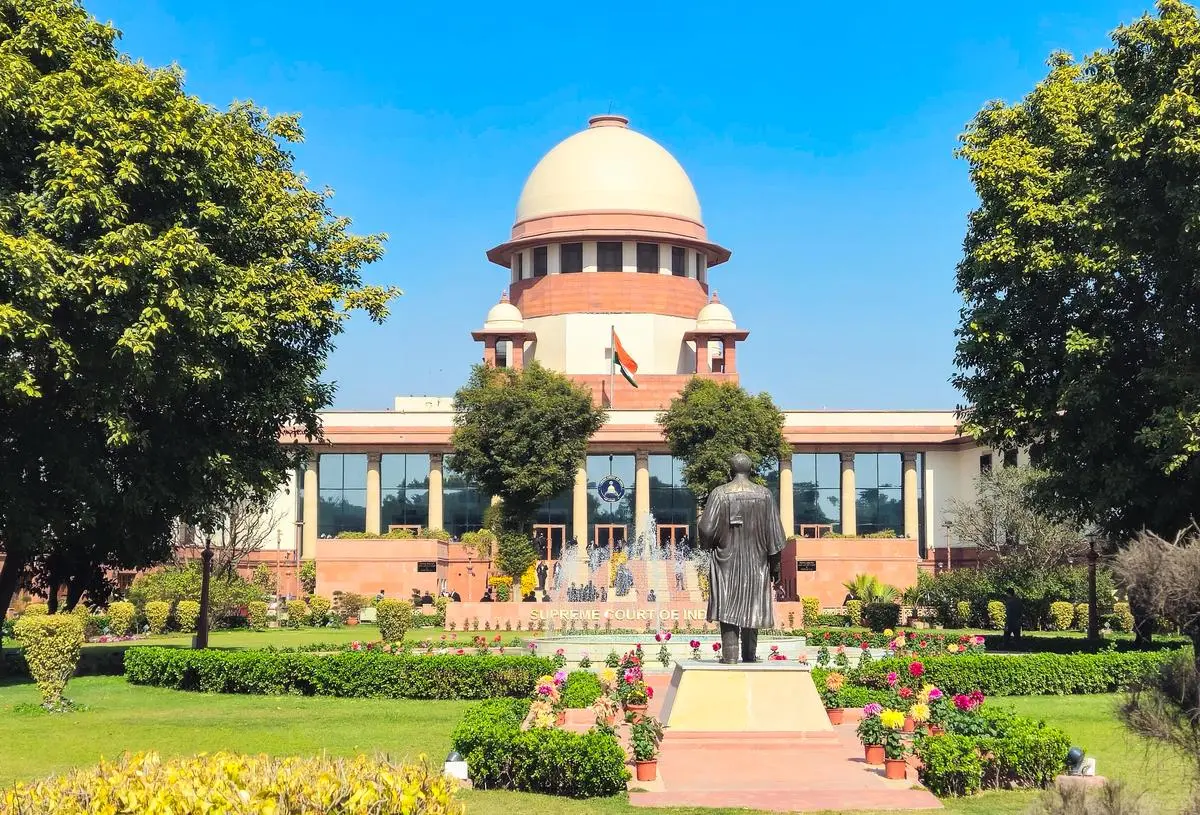
Supreme Court invoked Article 142 to quash FIRs/criminal proceedings against Gen Z protesters linked to protests over the NEET-UG 2026 paper leak. Article 142(1) empowers SC to pass orders for “complete justice”, enforceable across India; enforcement mode is set by Parliament, else by the President. Article 142(2) covers attendance, document production and contempt. Limits: cannot violate Constitution/fundamental rights, amend statutes; must follow natural justice, public policy, and be used sparingly.

Supreme Court Invokes Article 142 to Quash FIRs Against NEET-UG 2026 Protesters
Indian ExpressIndian Express
Environment

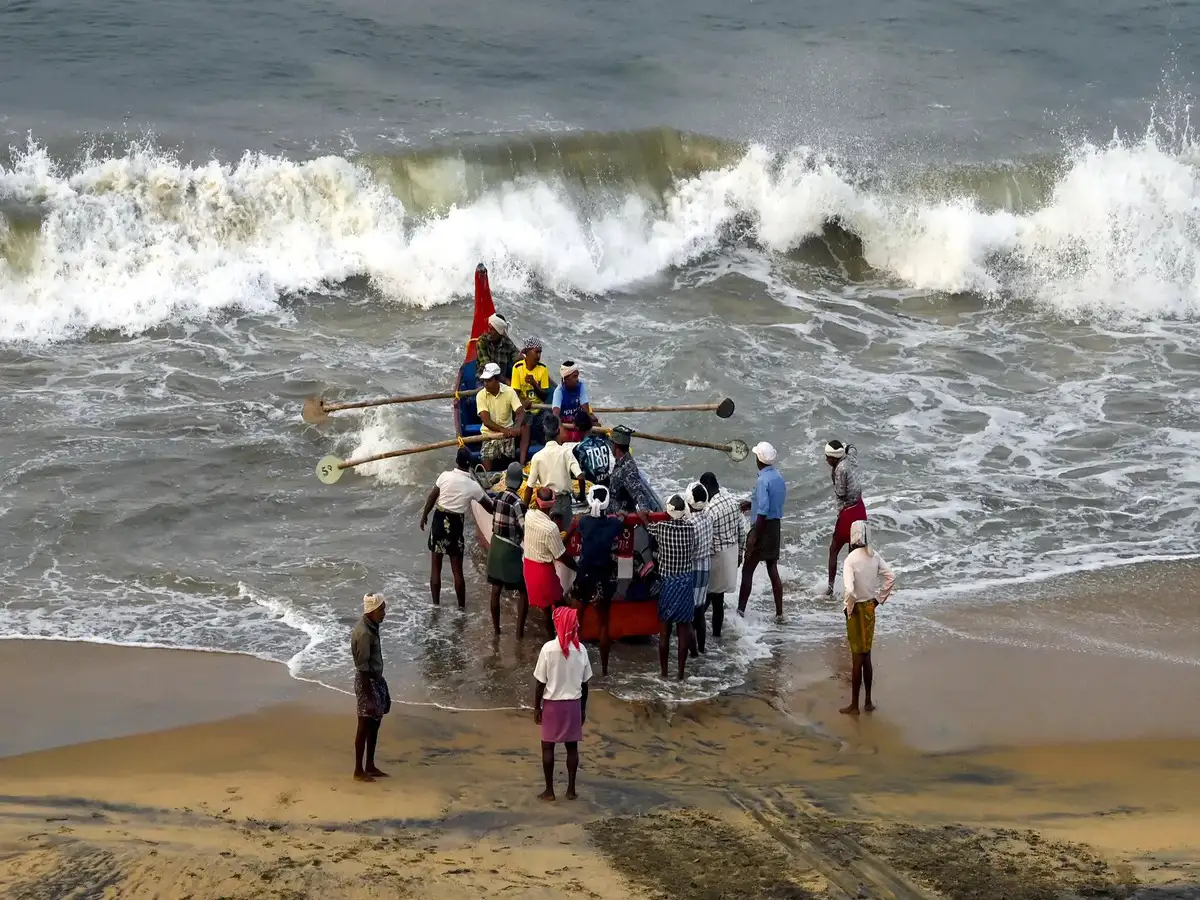
Supreme Court Limits Purse Seine Nets to EEZ Beyond 12 Nautical Miles

Supreme Court held purse seine nets are permitted only beyond 12 nautical miles in India’s Exclusive Economic Zone (EEZ) under Central regulation, and prohibited within 0-12 nautical miles of territorial/state waters. It ruled Tamil Nadu Marine Fishing Regulation Rules, 2020 (0-12 nm) and Sustainable Harnessing of Fisheries in the EEZ Rules, 2025 (12-200 nm; UNCLOS 1982 framework) operate in distinct zones, hence no conflict.

Supreme Court Limits Purse Seine Nets to EEZ Beyond 12 Nautical Miles
Indian ExpressIndian Express
International

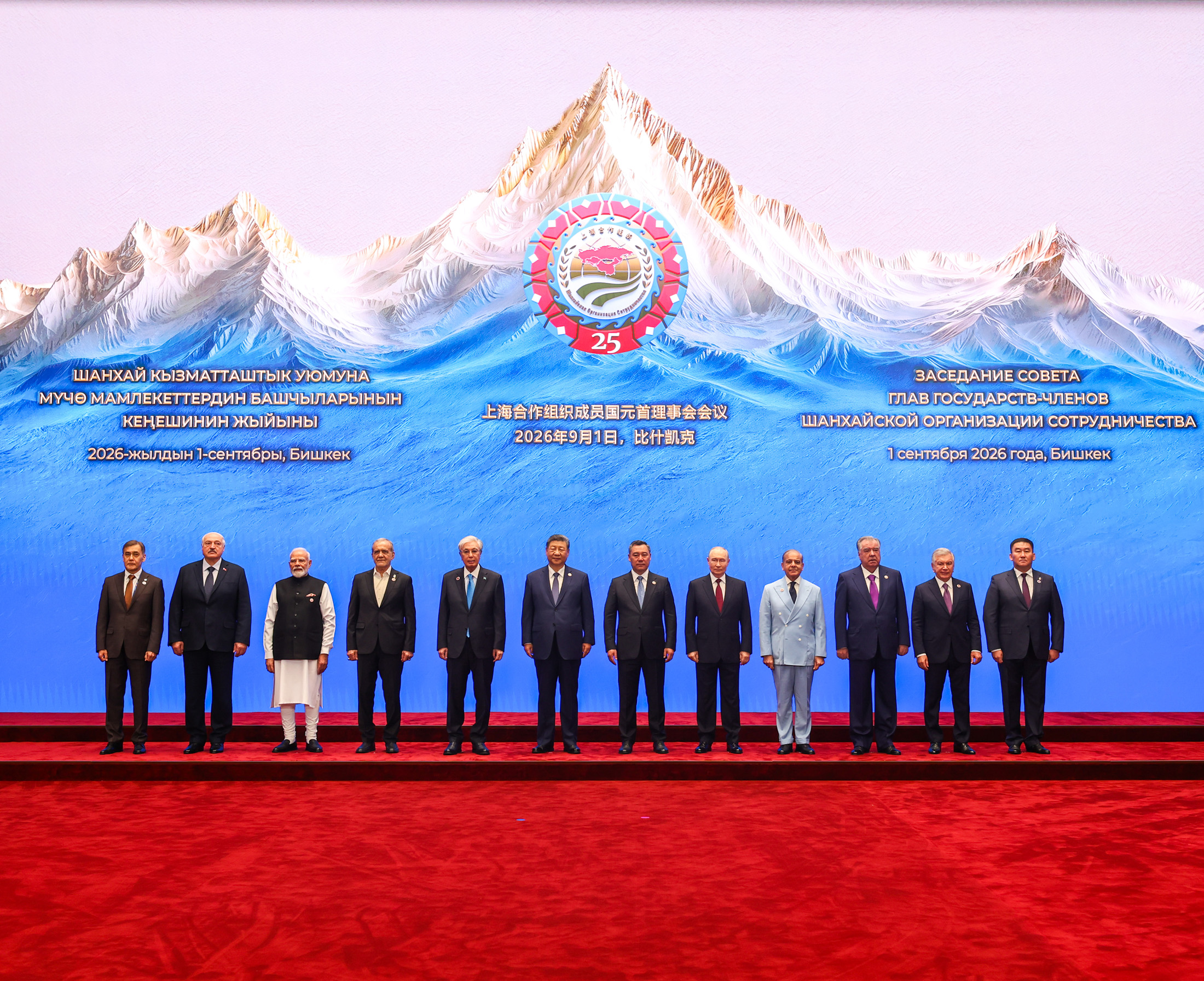
SCO Bishkek Declaration 2026

Bishkek Declaration 2026 urges SCO (permanent intergovernmental body, formed June 2001, Shanghai; Shanghai Five 1996; Charter June 2002, in force Sept 2003) coordination on security, connectivity and multilateralism. It targets “three evils”, strengthens SCO-RATS, seeks inclusive Afghanistan and action on Golden Crescent drugs and IT radicalisation. It backs trade in national currencies, INSTC and energy grids, UN/UNSC reform, and opposes unilateral sanctions. India pushed SECURE, sovereignty-based connectivity, rejected BRI, promoted DPI and anti–cross-border terrorism.

SCO Bishkek Declaration 2026
Indian ExpressIndian Express
Miscellaneous

Union Budget 2026-27 Flags Sandalwood as Cultural Heritage Species

Union Budget 2026-27 highlights sandalwood (Santalum album) as part of India’s social-cultural heritage. It is a hemi-root parasite; host selection affects growth, with poor hosts causing chlorosis and mortality. Climate-smart traits include salinity/drought tolerance and low nutrient needs; suitable for agroforestry with gooseberry, mango, custard apple and red gram, and now cultivated in Telangana, Gujarat, MP, Andhra Pradesh and north India. A Sandalwood Development Committee under EAC-PM and NITI Aayog, chaired by Finance Secretary, includes MoEFCC, Agriculture, Commerce, Ayush, NMPB, IWST Bengaluru and TNAU.

Union Budget 2026-27 Flags Sandalwood as Cultural Heritage Species
Down to EarthDown to Earth
International

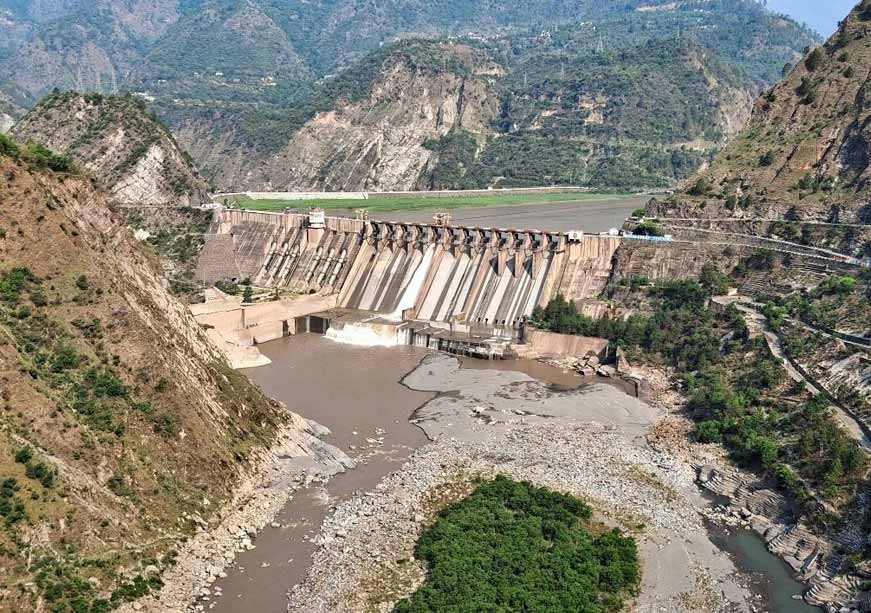
India Rejects Permanent Court of Arbitration Award on Indus Waters Treaty

India rejected an award by a Hague-based Court of Arbitration under the Permanent Court of Arbitration on the Indus Waters Treaty (1960), linked to India’s abeyance decision and interim measures for the Ratle Hydroelectric Project. Pakistan sought arbitration in 2016; India sought a Neutral Expert for Kishenganga (330 MW) and Ratle (850 MW). India says simultaneous proceedings breach Article IX’s sequential PIC-NE-CoA process and boycotts the tribunal appointed via the World Bank. Eastern rivers (Ravi, Beas, Sutlej) are India’s; western (Indus, Jhelum, Chenab) Pakistan’s, with India’s limited non-consumptive uses.

India Rejects Permanent Court of Arbitration Award on Indus Waters Treaty
Hindustan TimesHindustan Times
Governance

Ministry of Civil Aviation Launches ‘Easy Connect’ Hub-and-Spoke Model

The Ministry of Civil Aviation launched Phase I of the ‘Easy Connect’ hub-and-spoke aviation strategy to ease international travel from Tier-2 and Tier-3 cities. Smaller “spoke” airports will link to major hubs (e.g., Delhi) for seamless onward international flights and improved connectivity. About 35% of India’s international passengers currently transit via foreign hubs such as Dubai, London and Singapore. The plan aims to boost efficiency of UDAN-developed regional airports.

Ministry of Civil Aviation Launches ‘Easy Connect’ Hub-and-Spoke Model
Economic TimesEconomic Times

3 September 2026

Social Issues

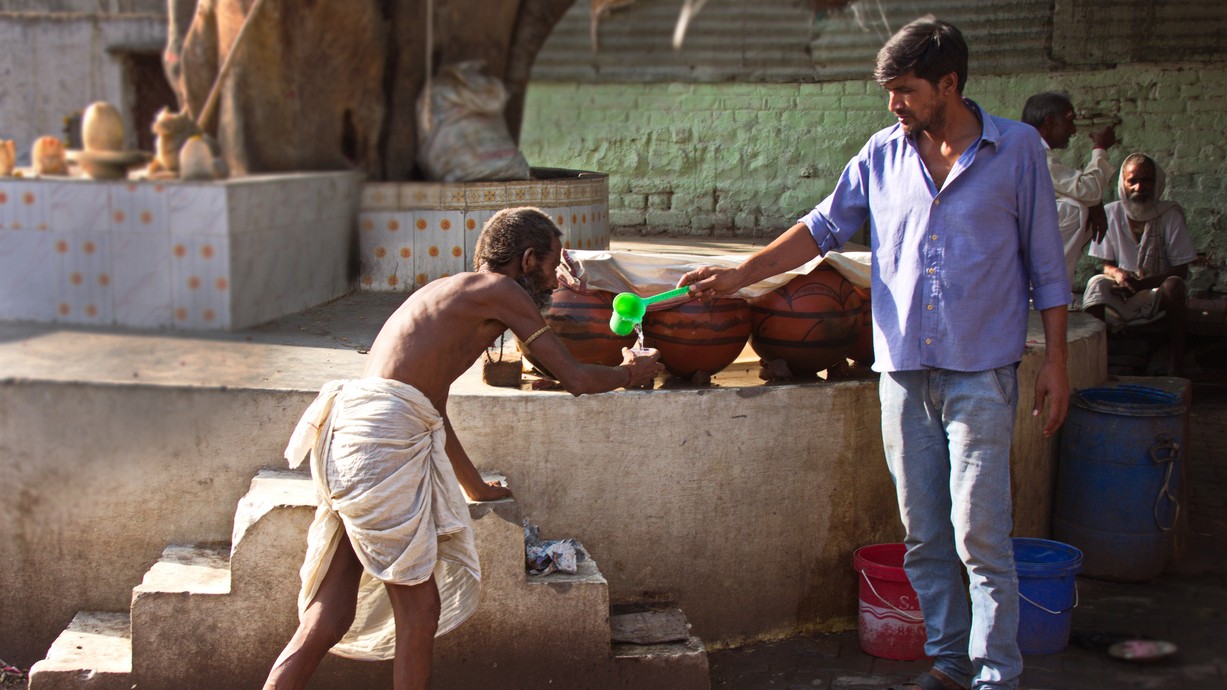
Article 17 Test for Caste-Based Purity Rituals

A “shuddhikaran” ritual at Haldwani’s Ramlila ground after a Dalit person used the venue raised whether it constitutes “untouchability” under Article 17. Article 17 abolishes untouchability “in any form,” is enforceable against non-State actors, and is operationalised by the Protection of Civil Rights Act, 1955 (renamed in 1976). Sukanya Shantha v Union of India (2024) linked untouchability to purity-pollution notions. Surya Narayan Choudhary (1988) held purification as a discriminatory condition violating Articles 14, 15, 17.

Article 17 Test for Caste-Based Purity Rituals
The HinduThe Hindu
Miscellaneous

Raja Mircha, the GI-Tagged Naga King Chilli

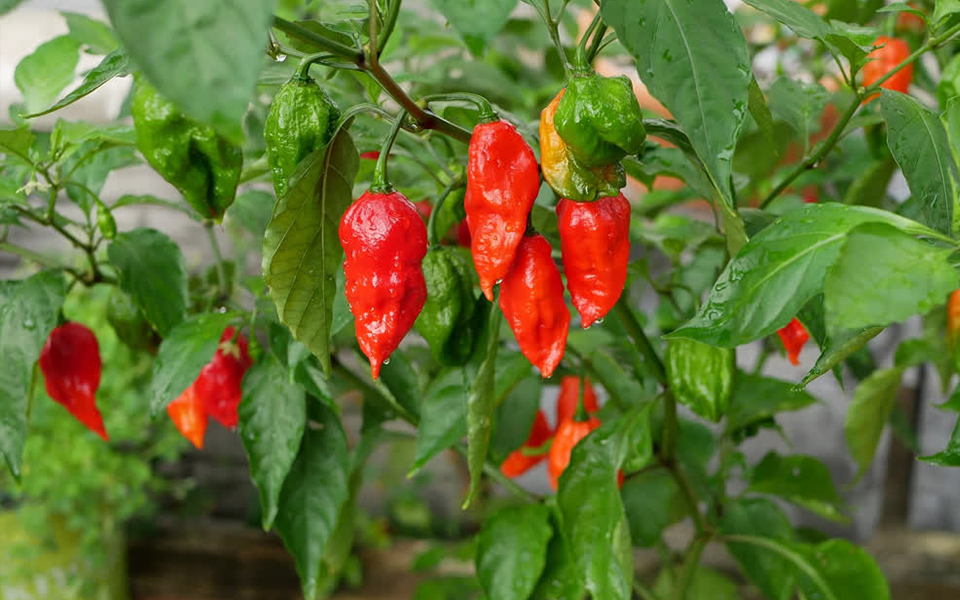
Nagaland’s Tourism and Higher Education Minister highlighted Raja Mircha, a GI-tagged chilli linked to the state. Also called Naga King Chilli/Bhut Jolokia, it is a chilli pepper (Capsicum chinense) cultivated mainly in Nagaland. Among the world’s hottest, it ranks in the top 10. It matures from green to vibrant red; subconical-conical, finely wrinkled, thin-fleshed. GI tag (2008) was Nagaland’s first GI product; “Naga Mircha” becomes exclusive to the region.

Raja Mircha, the GI-Tagged Naga King Chilli
NDTVNDTV
Environment

Male Mahadeshwara Hills Sanctuary flags half of poaching cases

Forest Department data on registered poaching and illegal arms cases over the last 16 years shows Male Mahadeshwara Hills Wildlife Sanctuary accounts for nearly half such enforcement cases. Located at the Western-Eastern Ghats junction in Chamarajanagara, Karnataka, it was notified in 2013; contiguous with BRT and Sathyamangalam Tiger Reserves and Cauvery WS. Boundaries: Kaveri (NE), Palar (S). Vegetation: dry deciduous to shola; fauna include elephants and tigers.

Male Mahadeshwara Hills Sanctuary flags half of poaching cases
Read moreRead more
Science & Technology

Aditya-L1 Early Warning Signs of Solar Flares

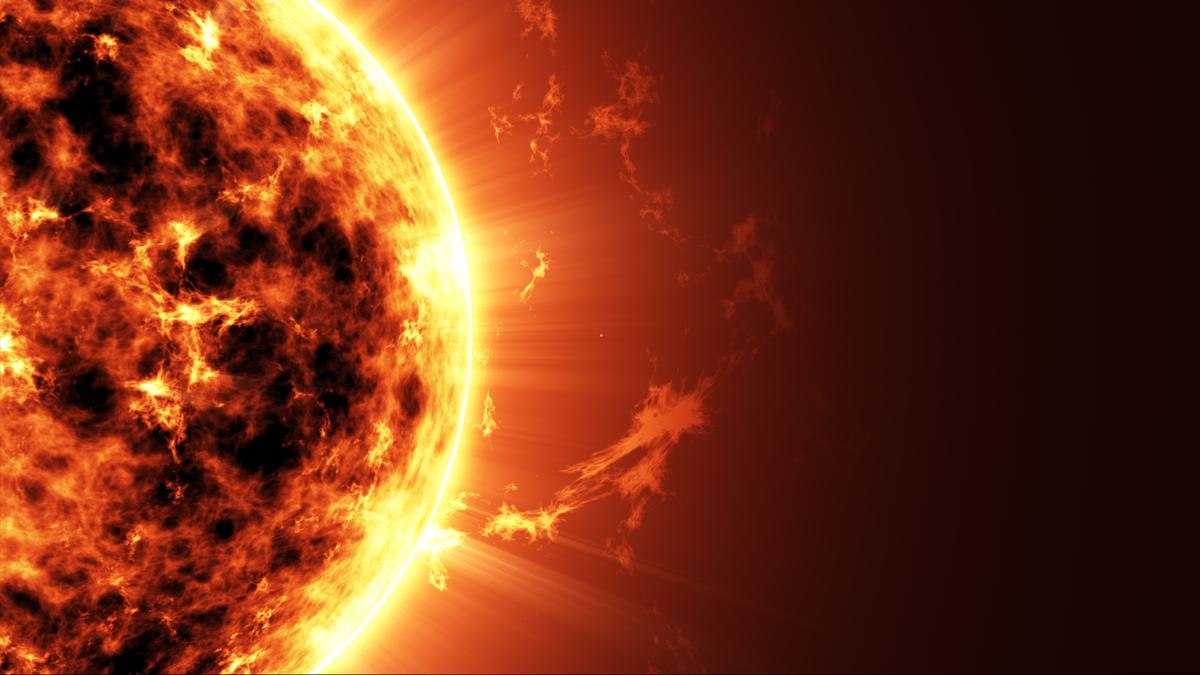
India’s Aditya-L1 mission study by the Manipal Centre for Natural Sciences (MAHE), ISRO and the Department of Space detected pre-flare transient events-small, short-lived brightenings - hours before major solar flares, clustered at the eventual flare site. SUIT’s Mg II h filter (chromosphere; 11 NUV filters) and X-ray spectrometers SoLEXS/HEL1OS showed some X-ray signatures, suggesting small-scale magnetic energy release. L1 orbit enables continuous monitoring for flare forecasting and mitigating impacts on spacecraft, radio/GPS and astronauts.

Aditya-L1 Early Warning Signs of Solar Flares
Read moreRead more
Science & Technology

JNCASR-IISc-University of Sydney report modified ScN with record Seebeck voltage

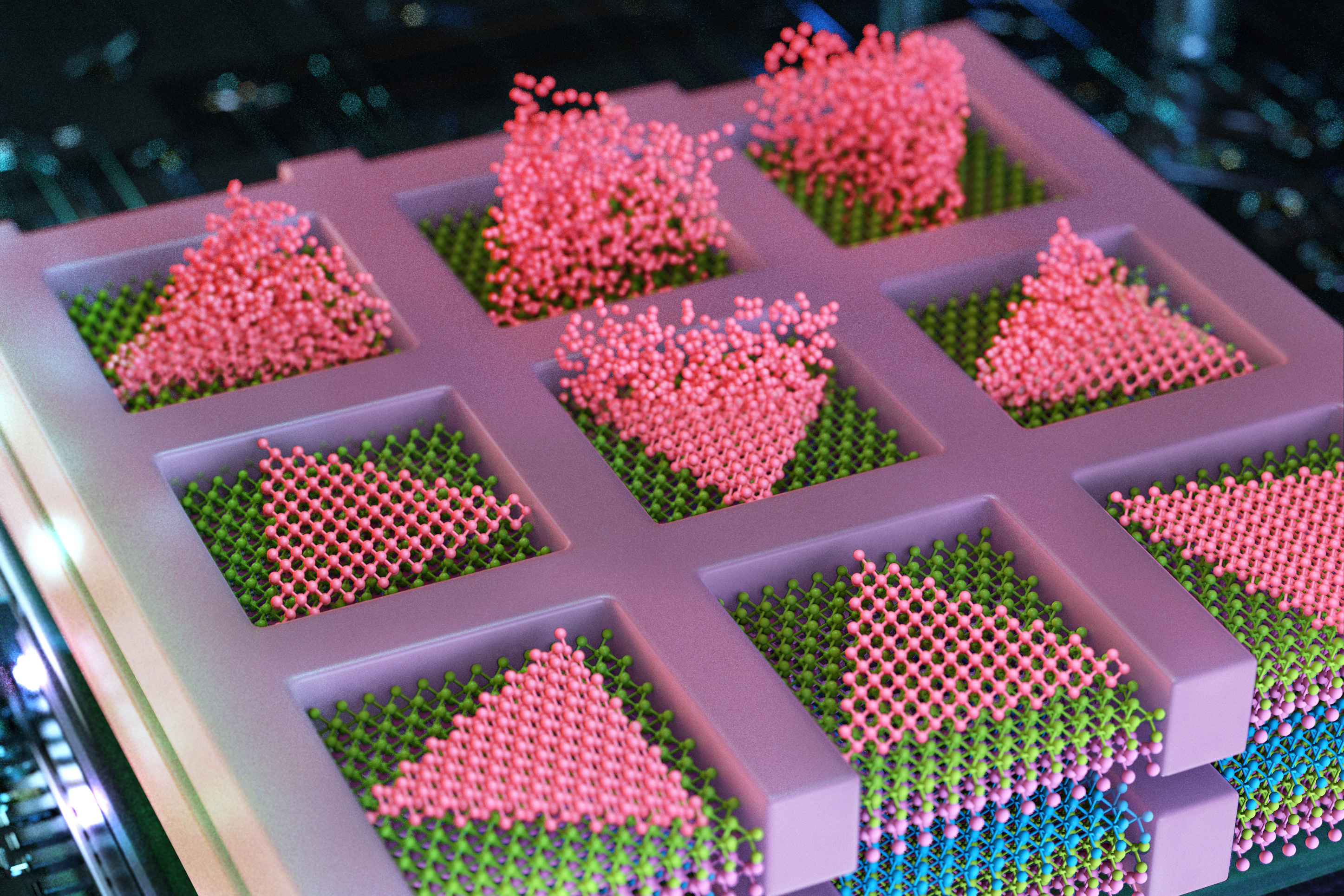
Scientists from JNCASR, IISc and the University of Sydney reported a crystalline inorganic semiconductor producing thermoelectric voltage far beyond the accepted limit. Using scandium nitride (ScN) with intentional magnesium doping, they created a heavily doped, highly compensated (HDHC) semiconductor with charge compensation. The Seebeck effect generates voltage under a temperature gradient; modified ScN showed a record Seebeck coefficient of -124.6 mV/K near room temperature, versus the earlier practical few mV/K limit for crystalline solids.

JNCASR-IISc-University of Sydney report modified ScN with record Seebeck voltage
PIBPIB
Science & Technology

Evidence for Vacuum Birefringence Reported in Aug 2026

In Aug 2026, observations of magnetar 1E 1547.0-5408 (~14,700 light-years away; rare radio-emitting) provided evidence for QED-predicted vacuum birefringence, envisaged by Heisenberg and Euler (1930s), where virtual particle pairs make strongly magnetised “empty” space behave like a birefringent crystal. Using IXPE, NICER (ISS) and Murriyang/Parkes polarimetry, X-ray polarisation reached ~65-80% and decreased with energy; models including birefringence best fit.

Evidence for Vacuum Birefringence Reported in Aug 2026
The HinduThe Hindu
International

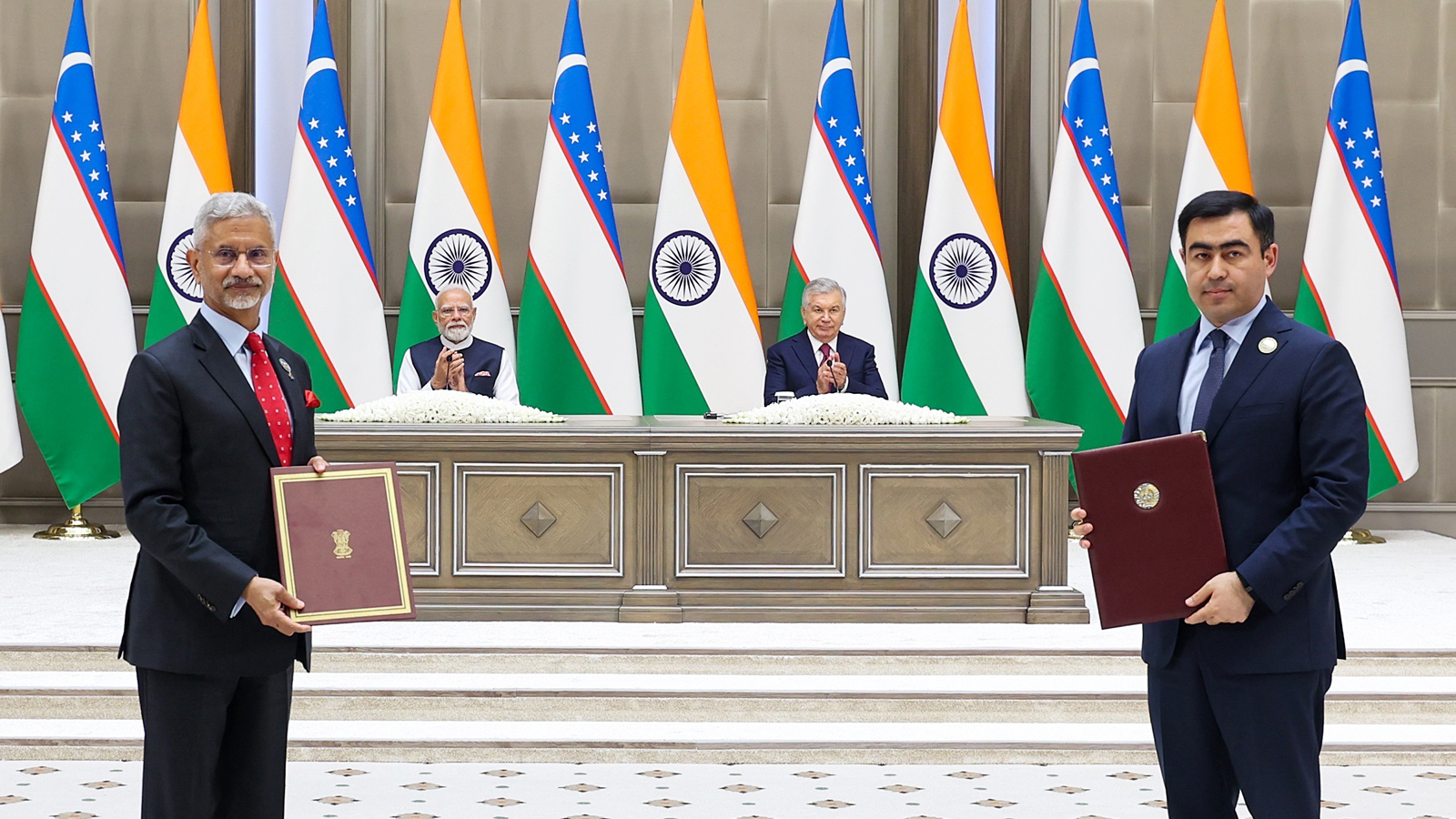
India, Uzbekistan Elevate Ties to Comprehensive Strategic Partnership

During the Prime Minister’s visit to Tashkent, India and Uzbekistan elevated ties to a Comprehensive Strategic Partnership. They agreed on a long-term uranium supply arrangement for civilian nuclear power under IAEA safeguards and signed an MoU on mining and geology for cooperation on critical minerals, including uranium. A 2019 contract covers 1,100 metric tonnes of yellowcake till 2026; ~600 tonnes were received by March 2025. CSP targets bilateral trade USD 5 billion by 2030.

India, Uzbekistan Elevate Ties to Comprehensive Strategic Partnership
Indian ExpressIndian Express
Science & Technology

C-DOT Unveils 14 Indigenous Quantum Products

On its 43rd Foundation Day, C-DOT (Centre for Development of Telematics), under the Department of Telecommunications, Ministry of Communications, unveiled 14 indigenous quantum products spanning Quantum Key Distribution (QKD) and Post-Quantum Cryptography (PQC) to strengthen India’s communication network security. Key offerings include Q-AKSHAY CD (compact fibre QKD using COW/DPS), Q-AKSHAY MD (MDI-QKD), and PQC devices using NIST algorithms such as Q-SETU (80 Mbps L3), Q-MAHASETU (40 Gbps L2/3) and Q-AMOGH (200 Gbps L1), aligned with the National Quantum Mission, Digital India and Atmanirbhar Bharat.

C-DOT Unveils 14 Indigenous Quantum Products
PIBPIB

2 September 2026

Environment

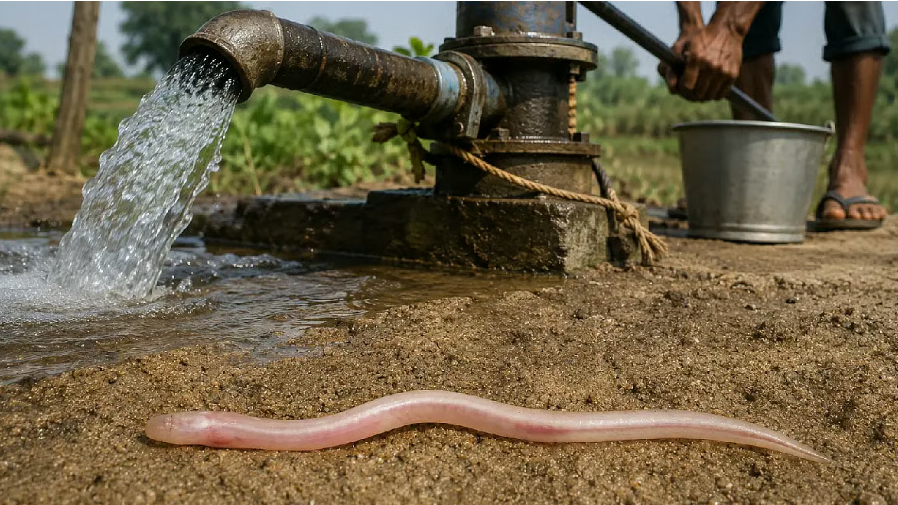
Gangaichthys indonepalicus described as new stygobitic fish

A 2024 TikTok video from a borewell near the India-Nepal border led to scientific scrutiny, and in 2026 the organism was formally described as a new stygobitic fish, Gangaichthys indonepalicus. A small, blind, unpigmented “earthworm eel”, it lives entirely in groundwater beneath the Gangetic Basin (family Chaudhuriidae; order Synbranchiformes). Fieldwork across 15 sites pumped thousands of litres, yielding three specimens. Naming reflects Ganga and India-Nepal; findings expand Indo-Gangetic groundwater biodiversity understanding.

Gangaichthys indonepalicus described as new stygobitic fish
The HinduThe Hindu
Governance

National Council for Clinical Establishments Issues Minimum Standards for Mortuaries

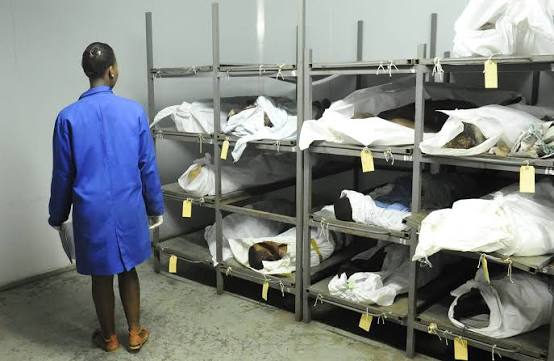
The National Council for Clinical Establishments (under the Directorate General of Health Services) has authorised India’s first national minimum standards for mortuary and post-mortem infrastructure. Applicable to public and private hospitals in States/UTs adopting the Clinical Establishments Act, implementation rests with States/UTs. Standards aim uniformity, earlier guided mainly by state police manuals/medico-legal rules; prohibit basement morgues or sites near waste, mandate unique body numbering, and align staffing/resources with autopsy volume.

National Council for Clinical Establishments Issues Minimum Standards for Mortuaries
LivemintLivemint
Environment

UNCCD Launches Rangelands Flagship Initiative at COP17

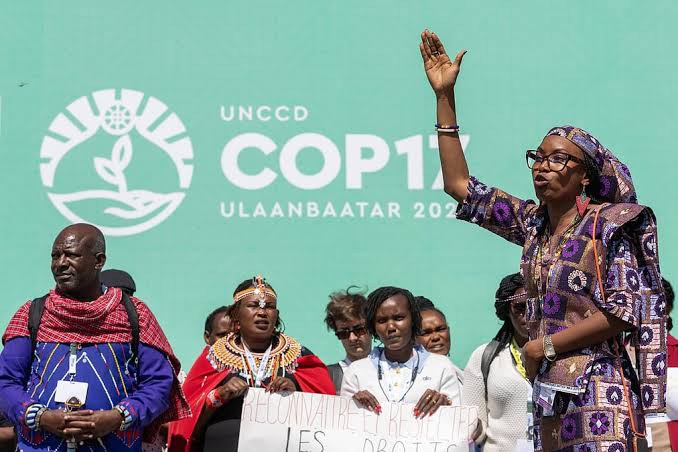
UNCCD launched the Rangelands Flagship Initiative at its COP in Mongolia (reported as COP17; also described as COP13) during the International Year on Rangelands and Pastoralists (2026). Backed by Party resolutions, including COP16/L.15, it targets poverty reduction, food security and Land Degradation Neutrality-linked synergy with climate and biodiversity action. Components: Knowledge (LDN principles, standards), Investment (restoration portfolio), Institutions (global coalition, NDC integration per COP27).

UNCCD Launches Rangelands Flagship Initiative at COP17
Down to EarthDown to Earth
Economy

MoSPI Releases National Accounts Statistics 2026

Ministry of Statistics and Programme Implementation released National Accounts Statistics 2026 with base year 2022-23. It contains 60 statements on GDP, national/per-capita income, sectoral output and GVA, PFCE/GFCE, savings-capital formation, public-sector and external transactions. It includes provisional GDP for 2025-26 and quarterly GDP from 2022-23 to 2025-26, using new PPI, revised IIP and BkSPI (base 2022-23; released June 2026), revising GDP from 2022-23 onward at current/constant prices with sector-specific changes.

MoSPI Releases National Accounts Statistics 2026
PIBPIB
Environment

UNCCD COP17 Ends Without Consensus on Global Drought Framework

UNCCD COP17 (Aug 17-28, 2026) in Ulaanbaatar, Mongolia, theme “Restoring Land. Restoring Hope.”, with 197 Parties plus scientists, Indigenous Peoples, pastoralists and youth, aimed to turn land pledges into financing, drought resilience and rangeland management. Parties failed to agree on a global drought framework (US citing sovereignty, UNCCD Drought Toolbox/WMO early warning, opposing binding/voluntary tools; resisting gender/civil society/Rio synergies); negotiations continue at COP18 and drought remains a stand-alone agenda. Outcomes include DRIF (UNCCD-Luxembourg-IDRA) targeting $400 million; Riyadh partnership pooled fund for ~70 countries; Drought Resilience Index; $1.3 billion across 23 countries ($644.5 million new, $216.4 million confirmed); Rangelands Flagship $1.2 billion for 45 projects, aligned with 2026 International Year of Rangelands and Pastoralists.

UNCCD COP17 Ends Without Consensus on Global Drought Framework
Down to EarthDown to Earth
Economy

India’s Forex Reserves Rise $12.4 Billion to $729.3 Billion

India’s foreign exchange reserves rose by $12.4 billion to a record $729.3 billion in the week ended August 21, 2026. Held by the Reserve Bank of India as external assets, reserves meet international payment requirements and maintain confidence. Components include Foreign Currency Assets (FCAs), gold, SDRs, and IMF Reserve Tranche Position. FCAs rose $9.48 billion to $591.33 billion.

India’s Forex Reserves Rise $12.4 Billion to $729.3 Billion
News On AirNews On Air
Environment

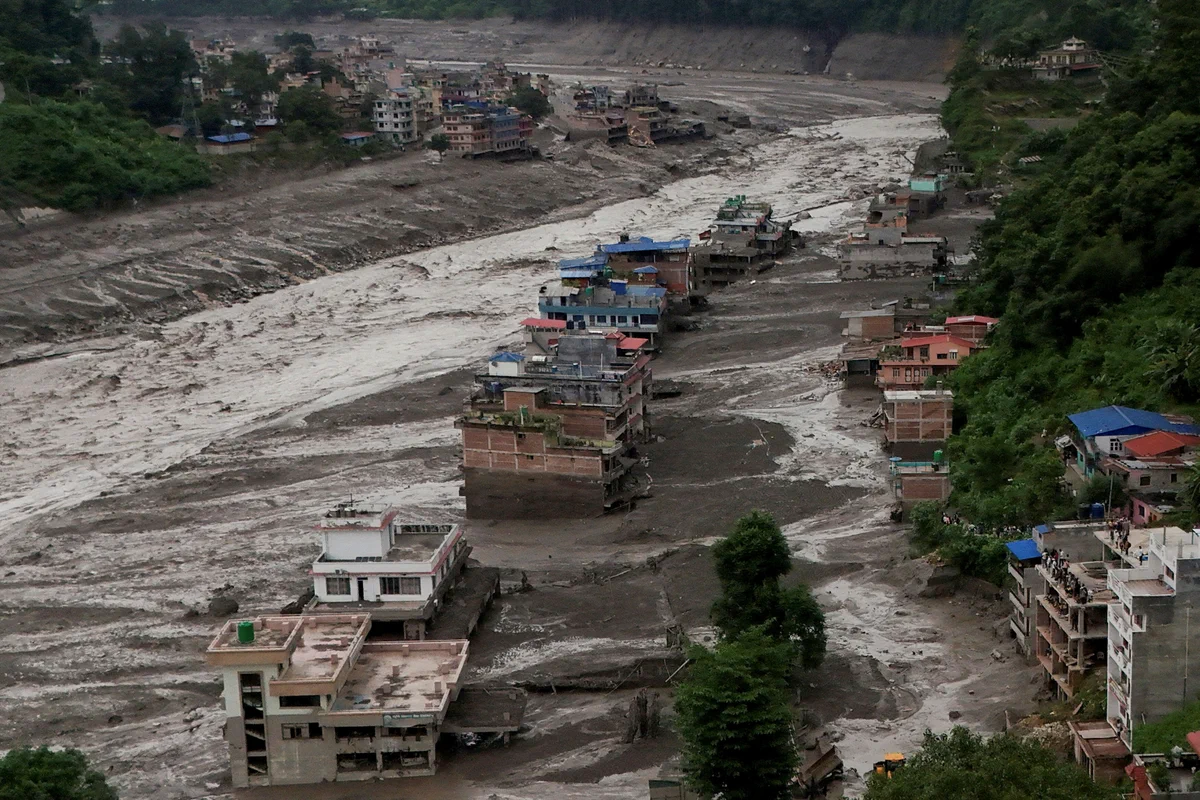
NDMA Flags Two New Glacial Lakes After Nepal Bhote Koshi-Trishuli Floods

Following the August 26, 2026 avalanche and floods in Nepal’s Bhote Koshi-Trishuli system, officials and satellite data confirmed new glacial lakes near the source. India’s NDMA identified two lakes (19.80 ha, 7.28 ha) associated with moraines; Suhora Technologies imagery showed an ~20.25-ha lake at Lhende Khola on the Nepal-Tibet border (~5,200 m, near Langtang Lirung). Moraine/debris-dammed origin is suspected; depth/volume are unknown; field verification and satellite monitoring continue.

NDMA Flags Two New Glacial Lakes After Nepal Bhote Koshi-Trishuli Floods
The HinduThe Hindu
Economy

India Q1 FY27 GDP Grows 7.8%, Beating RBI’s 7% Projection

India’s real GDP grew 7.8% in Q1 FY2026-27 (Apr-Jun 2026), above RBI’s 7% estimate; nominal GDP rose 10.3% and real GVA 8.2%. Real GFCF increased 11.9% (share 34.3%). Sectoral growth: manufacturing 9.2%, services 10% (finance/real estate/IT/professional 12.1%), construction 7.7%, agriculture 3.6%, mining -2.4%. Risks flagged: crude above $80 amid US-Iran tensions, inflation, June monsoon shortfall, El Niño peaking late-2026 affecting rabi crops; EAC-PM sees 34-35% investment needed; CEA cites “resilience”.

India Q1 FY27 GDP Grows 7.8%, Beating RBI’s 7% Projection
Indian ExpressIndian Express
Environment

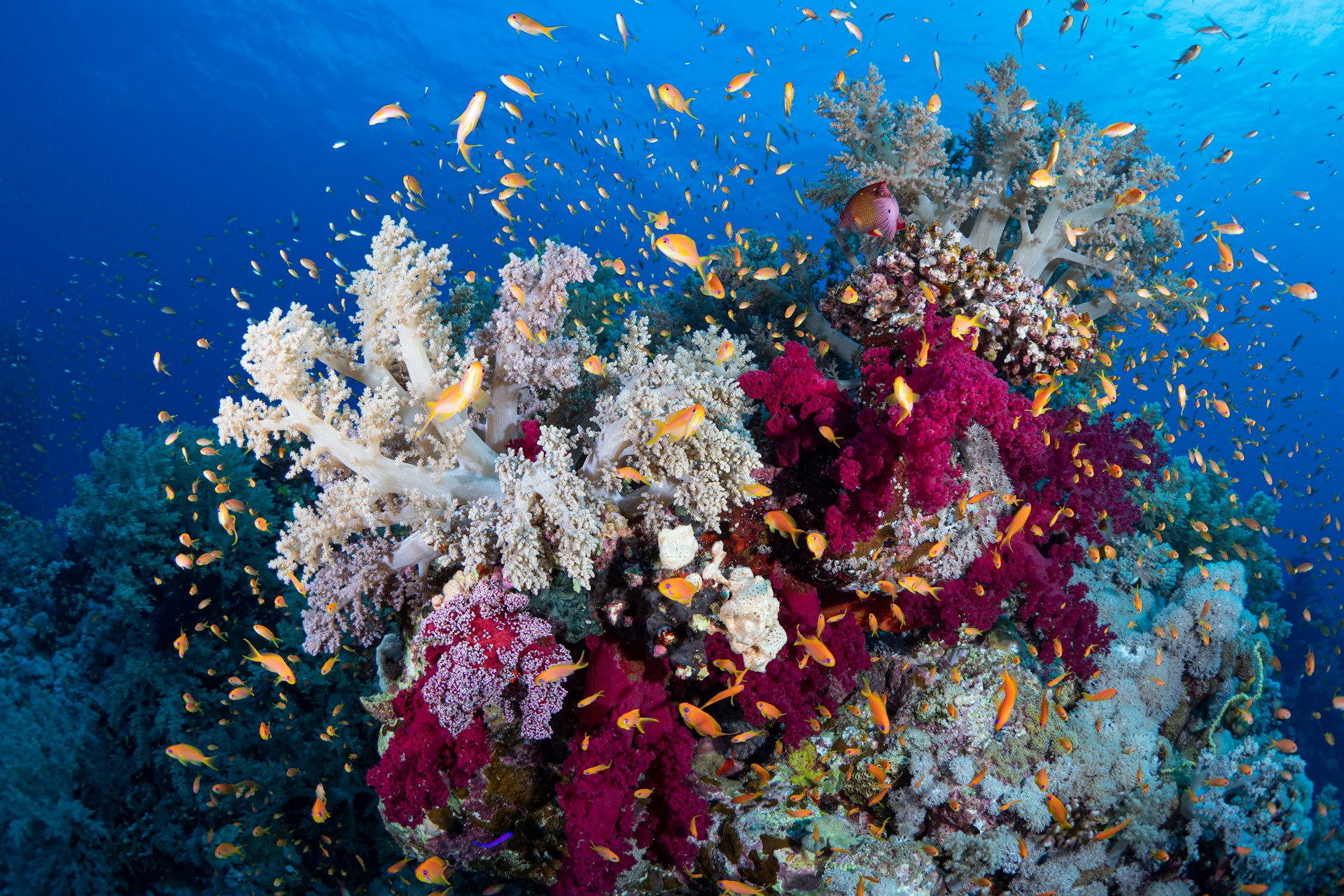
GCRMN’s Seventh Status Report Flags More Frequent Coral Bleaching

The Global Coral Reef Monitoring Network’s seventh “Status of Coral Reefs of the World” report notes coral bleaching events are becoming more frequent and recovery periods have shortened sharply. Bleaching occurs when corals (marine invertebrate polyps forming colonies) face stress from higher temperature, pollution or ocean acidity. Stressed zooxanthellae produce reactive oxygen species; corals expel them, exposing white exoskeleton and disrupting symbiosis.

GCRMN’s Seventh Status Report Flags More Frequent Coral Bleaching
Down to EarthDown to Earth