Current Affairs

pib_logo

And other top trusted sources

5 June 2026

Economy

MSCI Emerging Markets Index

MSCI Emerging Markets Index (Morgan Stanley Capital International) benchmarks large/mid-cap equities across 24 developing nations; 1,204 constituents; ~85% free-float market-cap coverage; accessed via ETFs/index mutual funds. India’s weight fell from ~21% (Sep 2024 peak) to 11.94% (May 2026), dropping from 2nd to 4th; ahead: Taiwan 24.84%, China 23.05%, South Korea 18.69. May 2026 rebalancing saw FPI turnover ~69%; outflows linked to elevated valuations, slower earnings, rupee weakness; top Indian weights: HDFC Bank and Reliance (0.79% each).
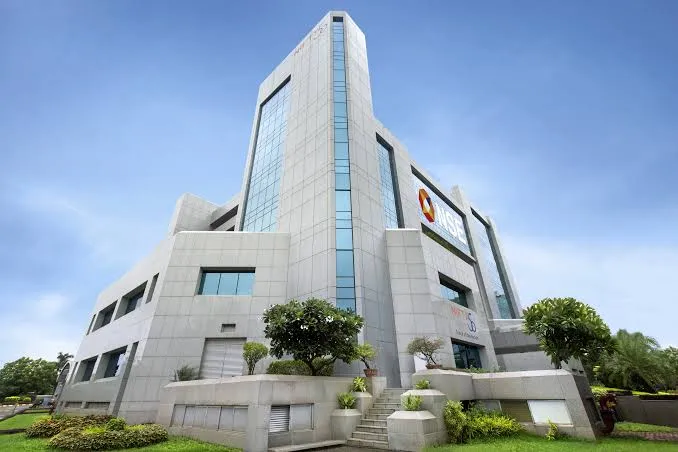

MSCI Emerging Markets Index
Indian ExpressIndian Express
Social Issues

Agoraphobia and Panic Disorder

Agoraphobia is an anxiety disorder marked by fear of situations where escape may be difficult or help unavailable during panic/intense anxiety, often involving crowds, shopping centres, public transport or leaving home alone. It is closely linked to but distinct from panic disorder. Global lifetime prevalence is 1.2–1.3% (12-month: 0.8–1.7%). Symptoms include physical, cognitive and behavioural avoidance; onset is usually late teens/early adulthood, more in women. Diagnosis is clinical (no single test). Treatment includes CBT and medicines, commonly SSRIs (sertraline, escitalopram), often combined.

Agoraphobia and Panic Disorder
The HinduThe Hindu

4 June 2026

Judiciary

Supreme Court in ADR vs ECI (2025)

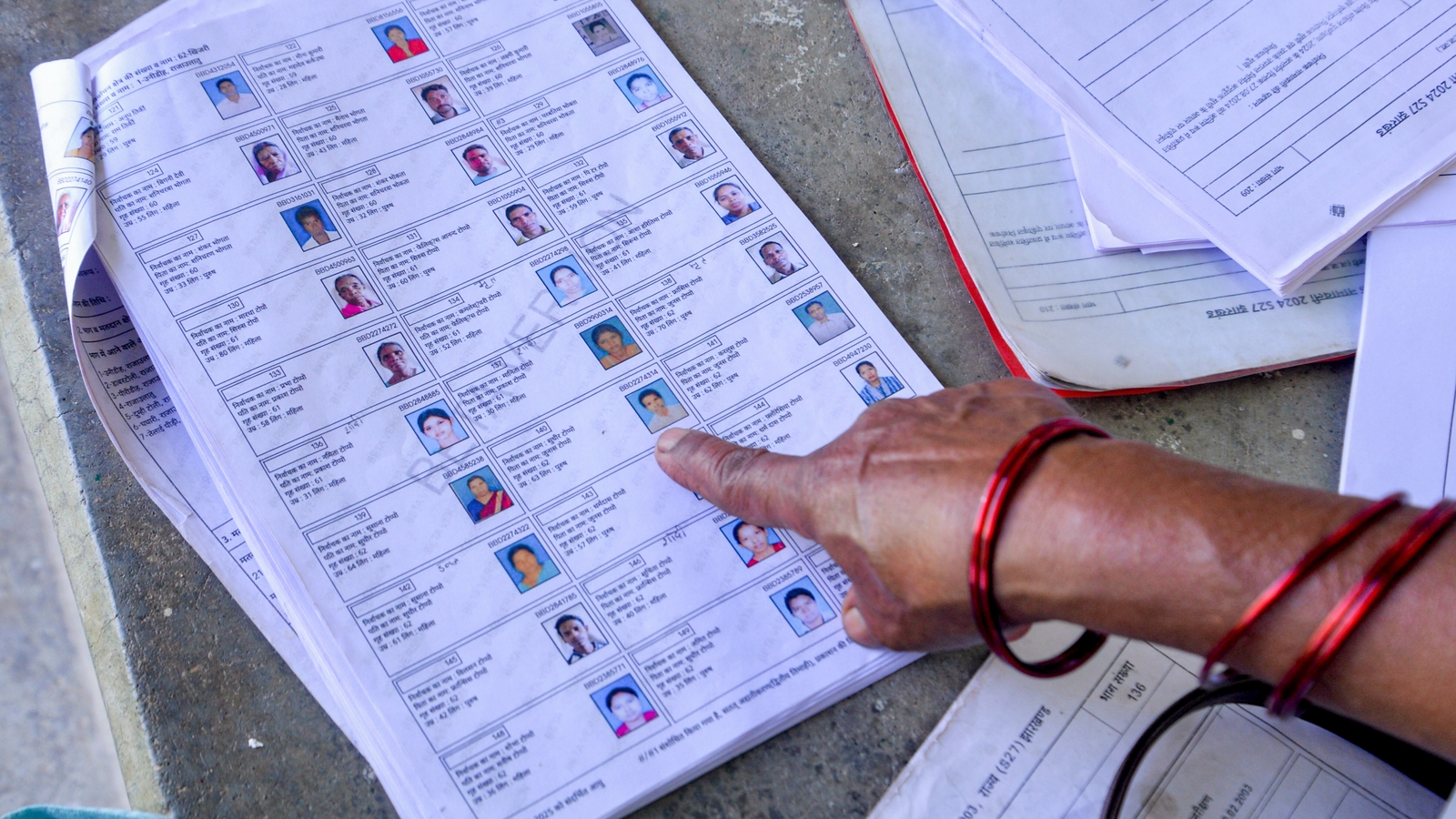
In ADR vs ECI (2025), the Supreme Court held that the Election Commission can conduct Special Intensive Revision (SIR) of electoral rolls under Article 324(1) read with the Representation of the People Act, 1950 (Sections 21(3) and 16) and the Registration of Electors Rules, 1960. SIR, involving house-to-house enumeration, verification and remedies, was found proportionate for roll accuracy. ECI may examine citizenship-related issues only for roll inclusion; it cannot decide citizenship under the Citizenship Act.

Supreme Court in ADR vs ECI (2025)
Indian ExpressIndian Express

Miscellaneous

Infant Mortality Rate Explained

The Sample Registration System (SRS) Bulletin by the Office of the Registrar General of India reports Telangana’s Infant Mortality Rate (IMR) at 17 deaths per 1,000 live births (national average 24). National rural IMR is 27 and urban 17; Telangana rural IMR is 19 and urban 14. IMR fell from 35 (2014) to 17 (2024) in Telangana; India from 39 to 24. Odisha and Rajasthan record 28, Assam 29. Telangana: birth rate 15.7, death rate 6.5, natural growth rate 9.1 (India: 18.3, 6.4, 11.9).

Infant Mortality Rate Explained
The HinduThe Hindu
Governance

Supreme Court Upholds 28% GST on Face Value of Online Gaming Bets

Supreme Court upheld 28% GST on full face value of online gaming bets, validating GST Council’s October 2023 decision and CGST valuation rules for betting/gambling, lotteries, casinos, horse racing. It rejected Gross Gaming Revenue basis. It also upheld Tamil Nadu (ordinance Nov 2020; Act 2021) and Karnataka Police (Amendment) Act 2021 bans, citing State List Entries 34 and 62; Article 19(1)(g) not available for harmful activity. Show-cause notices allege ₹1.12 lakh crore evasion; with 100% penalty, liability ~₹2.5 lakh crore. IT Rules 2023 regulate intermediaries via self-regulatory bodies; Promotion and Regulation of Online Gaming Act, 2025 awaits notification.

Supreme Court Upholds 28% GST on Face Value of Online Gaming Bets
The HinduThe Hindu
Miscellaneous

Supreme Court Sets Up Union Home Secretary-Led Committee for Yamuna Clean-Up Plan

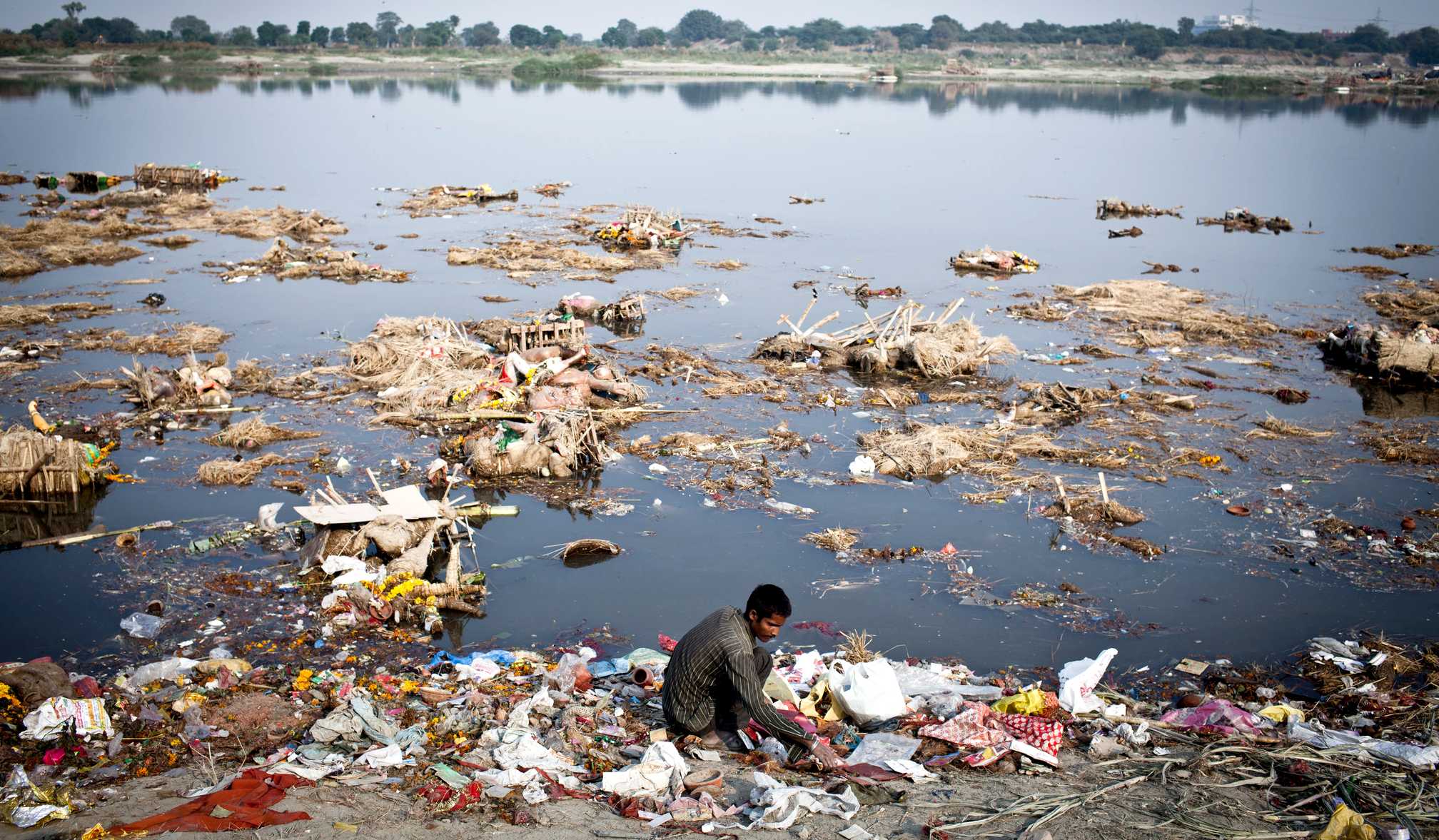
The Supreme Court constituted a committee under the Union Home Secretary to prepare a comprehensive plan to clean the Yamuna. Yamuna, the longest tributary of the Ganga, rises from the Yamunotri Glacier on Bandarpunch Massif (Great Himalayas, Uttarakhand), flows through Uttarakhand, Himachal Pradesh, Haryana, Delhi and Uttar Pradesh, and meets the Ganga at Prayagraj (Triveni Sangam). Major tributaries: Tons (largest), Chambal (longest), Sindh, Betwa and Ken.

Supreme Court Sets Up Union Home Secretary-Led Committee for Yamuna Clean-Up Plan
The HinduThe Hindu
Science & Technology

CLEAR Technology

Researchers at Jawaharlal Nehru Centre for Advanced Scientific Research (JNCASR), with demonstration support from Indian Institute of Science (IISc), developed CLEAR (Cleavable Light-Erased Antibody Reporter), an imaging platform to visualise and map many proteins in the same sample using one fluorescent marker. A light-cleavable probe enables repeated labelling–imaging cycles by erasing signals via 365 nm LED light, usable from live single cells to tissue sections, aiding early disease detection (cancers, neurological disorders), immune-response studies and precision medicine.

CLEAR Technology
DD NewsDD News
Places in News

Bhimgad Wildlife Sanctuary

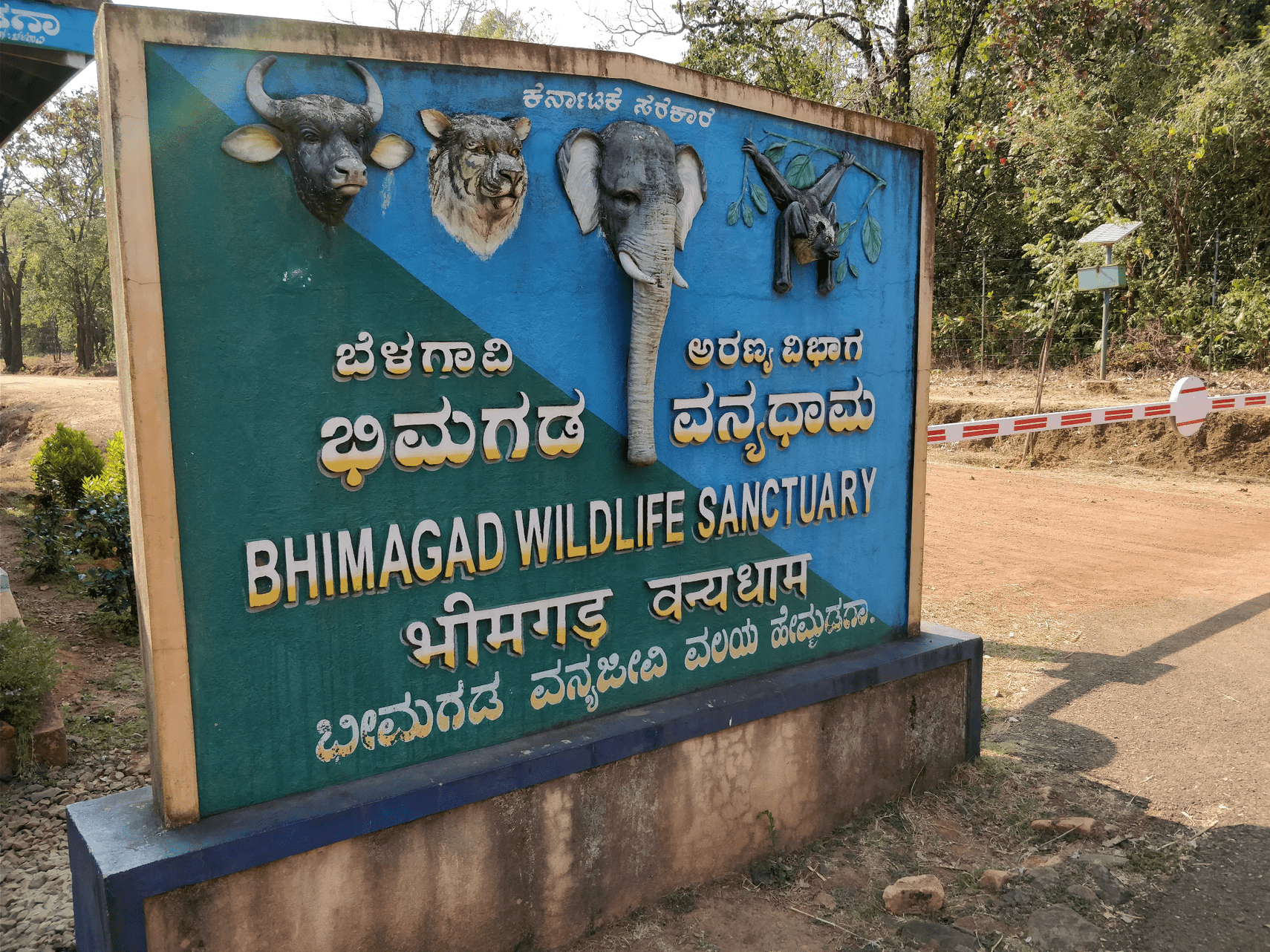
Karnataka government issued rules regulating development works around Bhimgad Wildlife Sanctuary, Belagavi (Belgaum) district, Western Ghats. Named after Bhimgad Fort built by Shivaji in the 17th century as a strategic outpost against Portuguese expansion from Goa. Adjacent to Dandeli, Bhagwan Mahaveer–Mollem, Netravali and Mhadei sanctuaries. Rugged limestone caves; sources of Mhadei, Malaprabha, Tillari; Barapede caves breed threatened Wroughton’s free-tailed bat; moist broadleaf forests; habitat for sloth bear, pangolin, black panther; king cobra breeding.

Bhimgad Wildlife Sanctuary
The HinduThe Hindu

3 June 2026

Schemes

SMART-PDS Tech Reforms

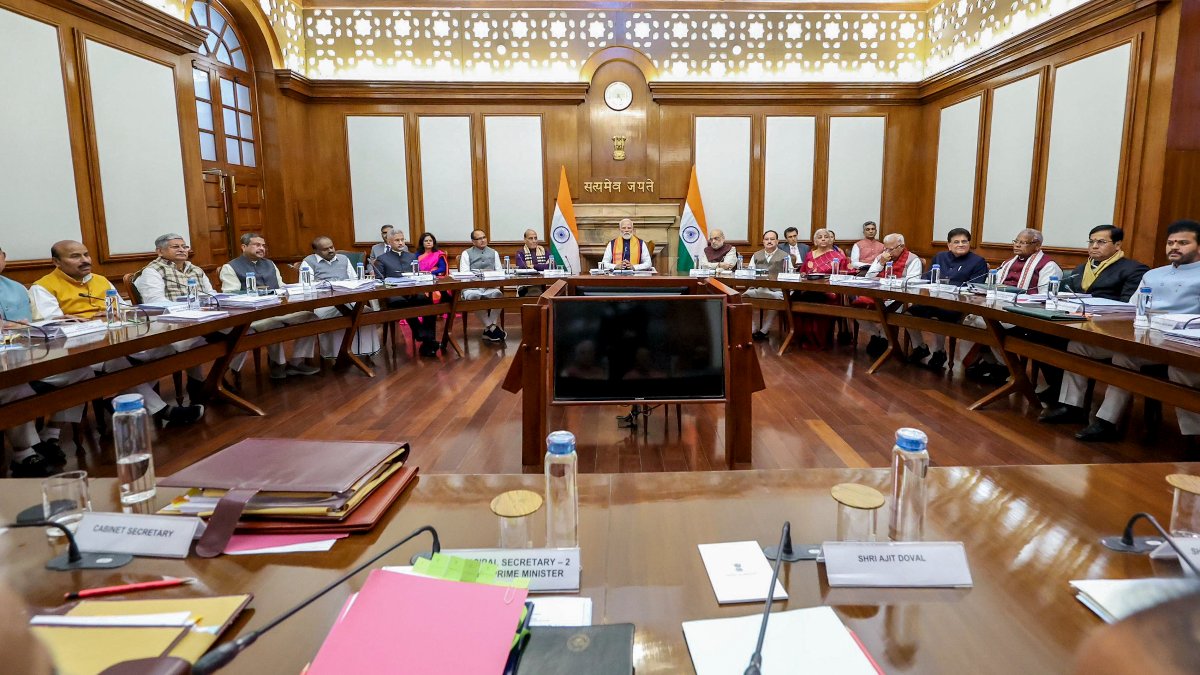
Union Cabinet approved Sarthak-PDS with ₹25,530 crore outlay, for 5 years (April 2026–March 2031) under the 16th Finance Commission cycle. The umbrella scheme (Scheme for Assistance in Ration Transport and Handling-Income with Automation in PDS) integrates intra-state grain movement and Fair Price Shop dealer margins under NFSA, supporting PMGKAY. It modernises TPDS via unified databases, command centres, Aadhaar seeding, ePoS shops, Mera Ration/Anna Sahayata, and permits AI/ML/NLP/blockchain to boost transparency and reduce leakages.

SMART-PDS Tech Reforms
PIBPIB
International

India-US Sign Critical Minerals Framework at 11th Quad Foreign Ministers’ Meeting

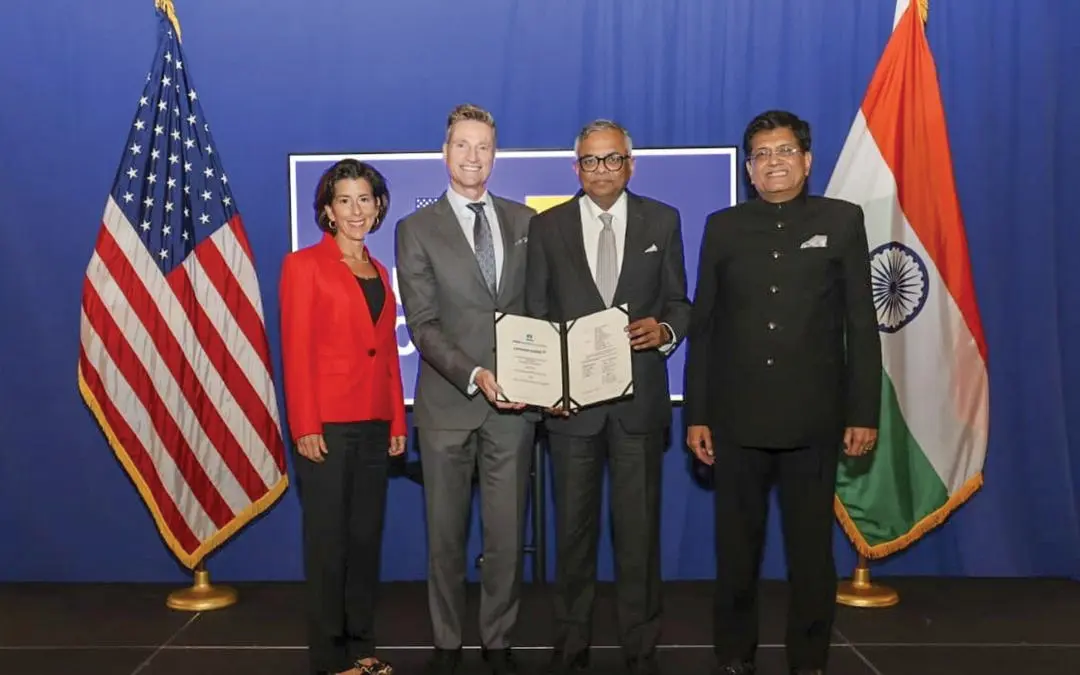
India and the US signed the bilateral “Securing of Supply in the Mining and Processing of Critical Minerals and Rare Earths” on the sidelines of the 11th Quad Foreign Ministers’ Meeting, amid China’s 2025 licensing regime on rare-earth exports, rare-earth magnet shortages, China’s ~90% processing dominance, and India’s 100% import dependence (cobalt, lithium, nickel, REEs, silicon). It covers mining-processing-recycling-investment, financing and scrap management, R&D, regulatory alignment, and tighter national-security controls; aligned with India-US TRUST (Feb 2025), Strategic Mineral Recovery Initiative, Pax Silica (Feb 2026), Quad Critical Minerals Initiative Framework (May 2026), FORGE, and Mineral Security Partnership. India also issued Press Note 3 (Mar 2026) on FDI from land-bordering countries in specified sectors (incl. rare-earth magnets) with 60-day processing; gross FDI hit $94.53 bn (2025-26) but net was $7.65 bn; outflows were $13.6 bn (Mar), $7.56 bn (Apr), $2.62 bn (May) after the West Asia war.

India-US Sign Critical Minerals Framework at 11th Quad Foreign Ministers’ Meeting
Read moreRead more
Places in News

Australia’s maritime boundaries

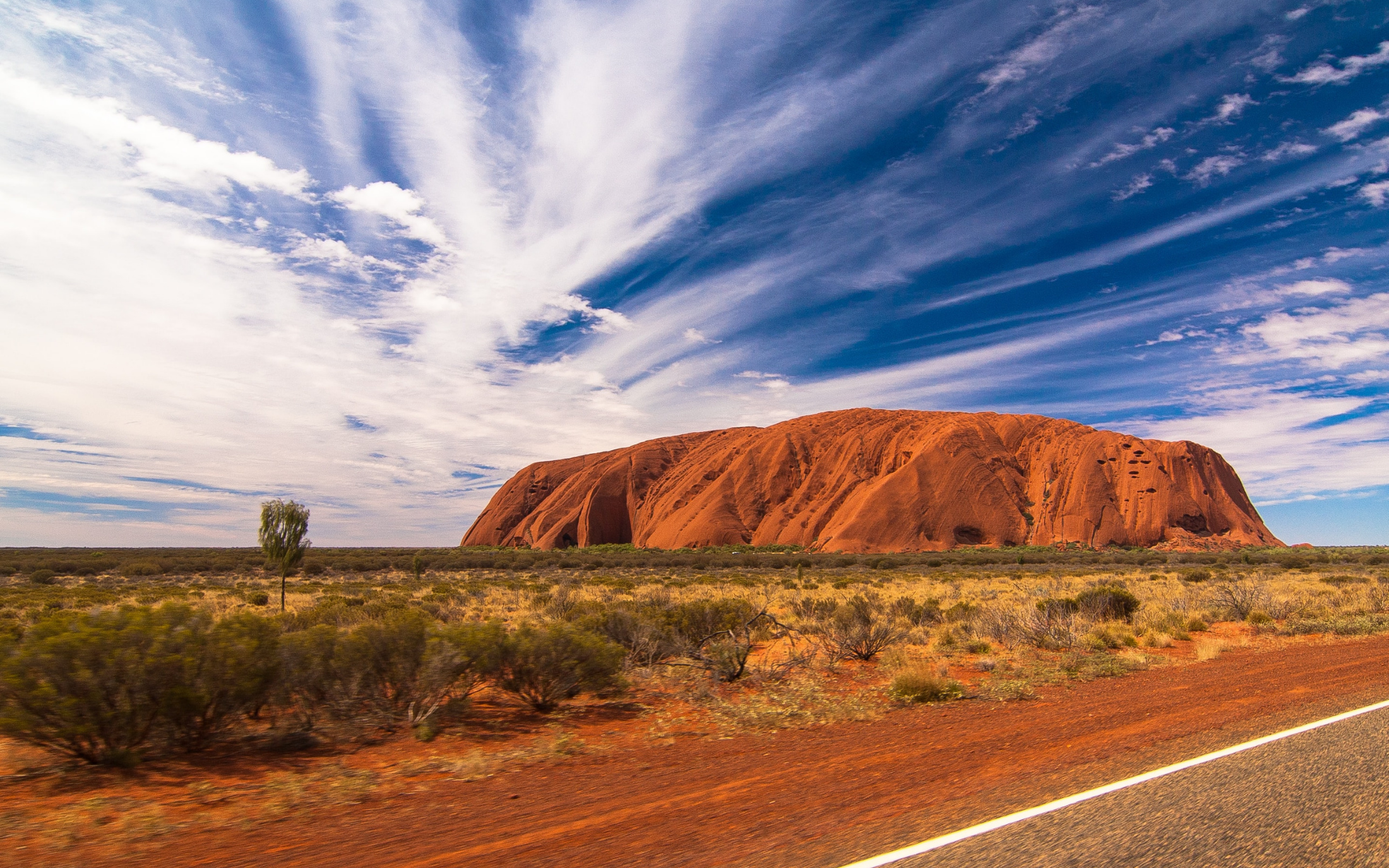
PM noted India–Australia cooperation for a free, open, secure and prosperous Indo-Pacific. Australia, smallest continent and largest country, is bounded by Indian Ocean (W) and South Pacific (E); NE: Coral Sea and Torres Strait (Papua New Guinea); NW: Timor and Arafura seas (Indonesia); SE: Tasman Sea (New Zealand); Great Barrier Reef separates Coral Sea Islands Territory. Capital: Canberra; diverse climates; highest point Mt Kosciuszko (2,228 m); rivers Murray–Darling, Murrumbidgee, Lachlan; deserts Great Victoria, Gibson, Simpson; resources Au, Fe ore, Pb, Ni, rutile, U, Zn, zircon, brown coal, Co, Cu, ilmenite, Li, Ag, W, V.

Australia’s maritime boundaries
The HinduThe Hindu
Defence

INS Kolkata

INS Kolkata, the lead indigenously designed Project 15A Kolkata-class guided missile destroyer of the Indian Navy, responded to a suspected piracy threat involving merchant vessel MV Mashallah 1 in the Western Indian Ocean, preventing a possible hijacking. Conceived by the Navy’s Directorate of Naval Design and built by Mazagon Dock Ltd, Mumbai, it was commissioned in August 2014 and has COGAG propulsion (>30 knots), missiles/ASW suite, radar and bow sonar, CMS-based networks, and capacity for two Seaking/Chetak helicopters.

INS Kolkata
Read moreRead more
Environment

DNA Barcoding for Species Identification

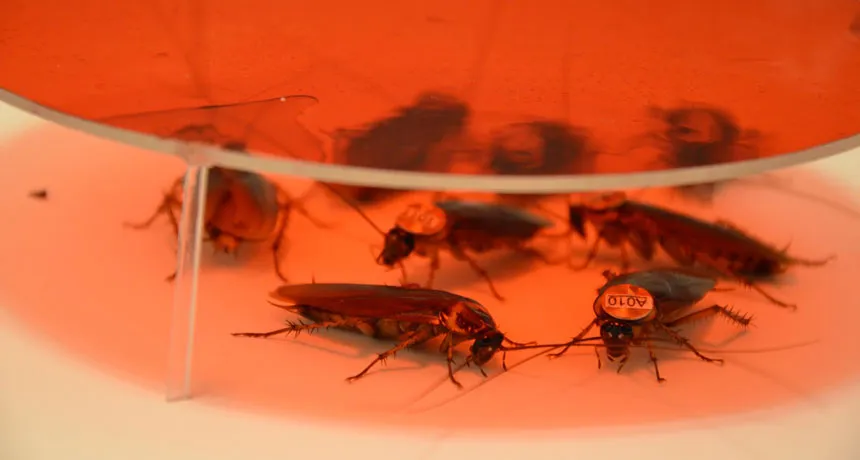
Zoological Survey of India (ZSI) and Prof. Ramkrishna More College developed India’s first and largest DNA barcode reference library for cockroaches of peninsular India. DNA barcoding uses short standardized DNA sequences for species identification, integrated with taxonomy to resolve classification ambiguities. India records 191 cockroach species in 74 genera (3.8% of 5,000 global); 119 are endemic (60%). Only 40 are recollected; 86 are known only from original descriptions, with type specimens abroad. Neoloboptera peninsularis was identified in the Deccan Peninsula using DNA barcoding.

DNA Barcoding for Species Identification
PIBPIB
Science & Technology

India’s First Hydrogen-Powered Train

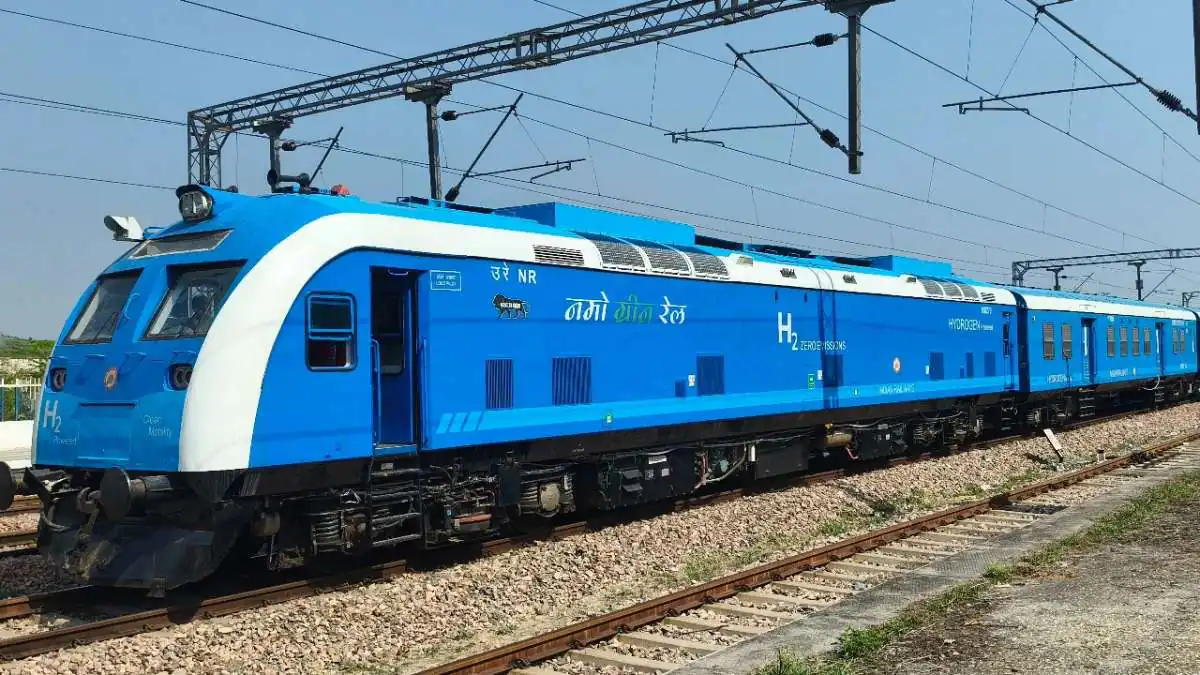
Indian Railways approved a 10-car hydrogen fuel cell trainset (1200 kW; max 75 kmph), India’s first, for the Jind–Sonipat route (Haryana), developed by Chennai’s Integral Coach Factory. Fuel cells generate electricity via hydrogen, emitting only water vapour, aiding rail decarbonisation toward net-zero 2070. Under “Hydrogen for Heritage”, 35 trains are planned. Indigenous storage/refuelling at Jind is PESO-licensed; O&M manuals are RDSO-approved; audits, SOPs, 24x7 monitoring, trained staff, leak/flame sensors, and Shakurbasti maintenance safety are ensured.

India’s First Hydrogen-Powered Train
PIBPIB
Science & Technology

Loktak Protocluster

Indian researcher in Japan Dr Ronaldo Laishram (National Astronomical Observatory of Japan) identified a primitive galaxy cluster, named the “Loktak Protocluster,” using the Subaru Telescope (Hawaii) and James Webb Space Telescope; it is seen 12.6 billion years ago, when the universe was ~1.2 billion years old. Namesake Loktak Lake, Manipur (Bishnupur; ~45 km from Imphal), is Northeast India’s largest freshwater lake with floating phumdis; its southeastern part hosts Keibul Lamjao, the world’s only floating national park and last natural habitat of the endangered Sangai.

Loktak Protocluster
The HinduThe Hindu

2 June 2026

Places in News

Vembanad Lake in Kerala

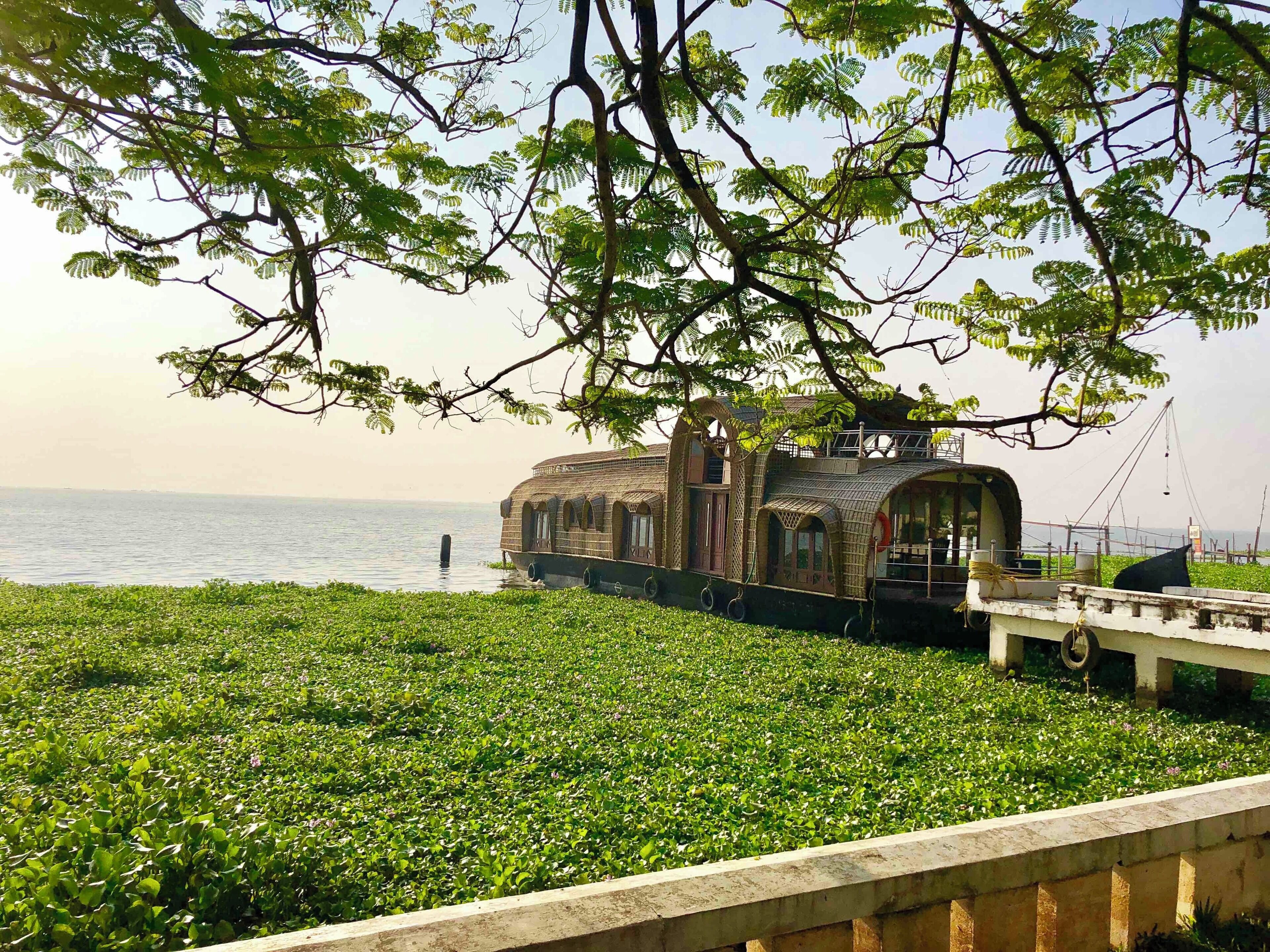
Kerala government action on houseboats, following a Kerala High Court order, has renewed concerns over pollution in the Vembanad ecosystem. Vembanad Lake (Kerala) is the state’s largest and India’s longest lake, spread over 2,033 sq km; a major tropical wetland on India’s southwest coast. Also called Vembanad Kayal/Kol, Punnamada and Kochi Lake, it receives Meenachil, Achankovil, Pampa and Manimala rivers, is separated from the Arabian Sea by a barrier island, is Ramsar-designated (2002), under the National Wetlands Conservation Programme, hosts August Vallam Kali/Nehru Trophy, and includes Kumarakom Bird Sanctuary with migratory/resident birds (e.g., cormorant, darter, ibis, Siberian cranes).

Vembanad Lake in Kerala
Down to EarthDown to Earth
Miscellaneous

PM-WANI Public Wi-Fi Framework

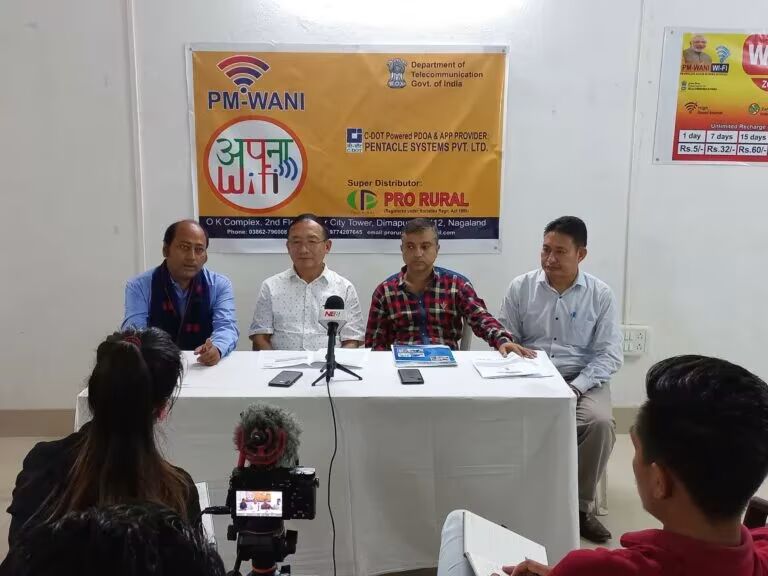
PM-WANI (Prime Minister’s Wi-Fi Access Network Interface), launched in 2021 by the Department of Telecommunications, aims to expand public Wi-Fi hotspots, especially in rural and underserved areas. Local vendors can set up license-free Public Data Offices. Users get SIM-free access via low-cost sachet plans (₹5–₹10 for 1 GB). Upgrades include QR-based laptop authentication, 15/30/60-minute plans, and standardized PMWANI SSIDs to improve usability, security, inclusion and entrepreneurship.

PM-WANI Public Wi-Fi Framework
PIBPIB
Places in News

Khajuraho Temple Architecture

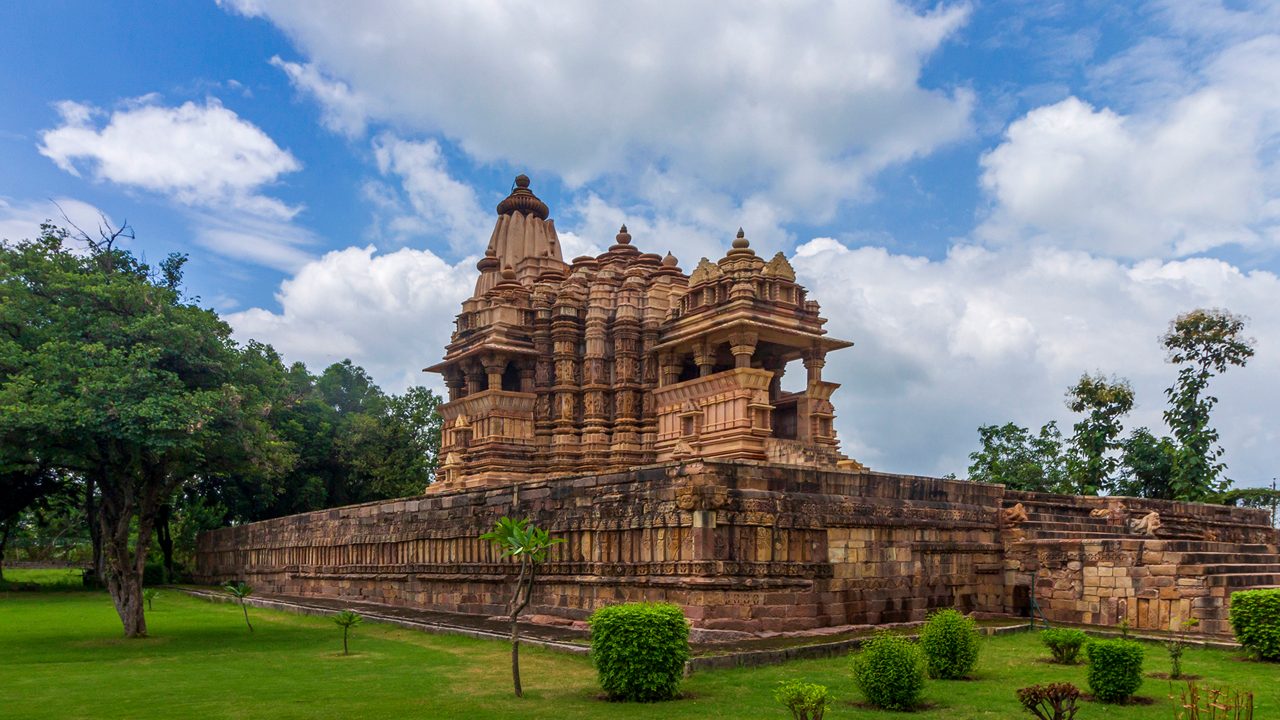
Morarji Desai National Institute of Yoga organised Yoga Mahotsav at Khajuraho’s Western Group of Temples for the 12th International Day of Yoga 2026. Khajuraho Group of Monuments, Chhatarpur (Madhya Pradesh), built 950–1050 CE by Chandela rulers, is a UNESCO World Heritage Site (1986) in Nagara style. Tradition notes 85 temples; ~20 survive, representing Hindu and Jain. Key temples: Kandariya Mahadeva (c.1017–1029, Shiva), Lakshmana (Yasovarman, AD 954, Vishnu), Chausath Yogini, Matangeshvara, Varaha; Parshvanath (East); Chaturbhuj (South); Visvanatha/Parsvanatha/Vaidyanatha (Dhanga). Major temples follow panchayatana plan on jagati, with ardhamandapa–mandapa–antarala–garbhagriha(+mahamandapa), and noted reliefs (divine, daily life, music/dance, mythology, erotic, Chandella culture).

Khajuraho Temple Architecture
PIBPIB
Science & Technology

NASA James Webb Space Telescope maps extreme weather cycle on exoplanet WASP-94A b

NASA’s James Webb Space Telescope (JWST) used spectroscopy to study WASP-94A b, a hot Jupiter gas giant nearly 700 light-years away. Almost twice Jupiter’s size but half its mass, it orbits very close to its star every 4 days and is tidally locked. JWST detected an extreme weather cycle: clouds of magnesium silicate, iron and magnesium sulphide form on the cooler night side, sweep across with very fast winds and vanish on the rock-melting dayside; the nightside is frozen near absolute zero. This is the first direct measurement of such a cycle on an exoplanet.

NASA James Webb Space Telescope maps extreme weather cycle on exoplanet WASP-94A b
The HinduThe Hindu
Environment

El Niño Southern Oscillation (ENSO)

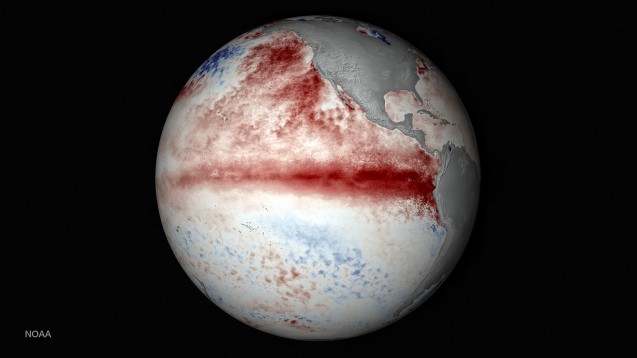
2026 is being termed an El Niño year amid extreme summers and heatwaves. ENSO involves eastern Pacific sea-surface temperature changes and atmospheric circulation, altering global weather; it has El Niño (warm), La Niña (cool) and neutral phases, recurring irregularly every 2–7 years. El Niño can weaken/delay Indian monsoon and raise heatwave risk; La Niña may strengthen monsoon but cause floods. MJO, an eastward-moving wind-cloud-pressure system (4–8 m/s), circles in 30–60 days and can enhance monsoon rainfall.

El Niño Southern Oscillation (ENSO)
Indian ExpressIndian Express
1 June 2026

Science & Technology

Serum Institute of India to Manufacture Birsa-101

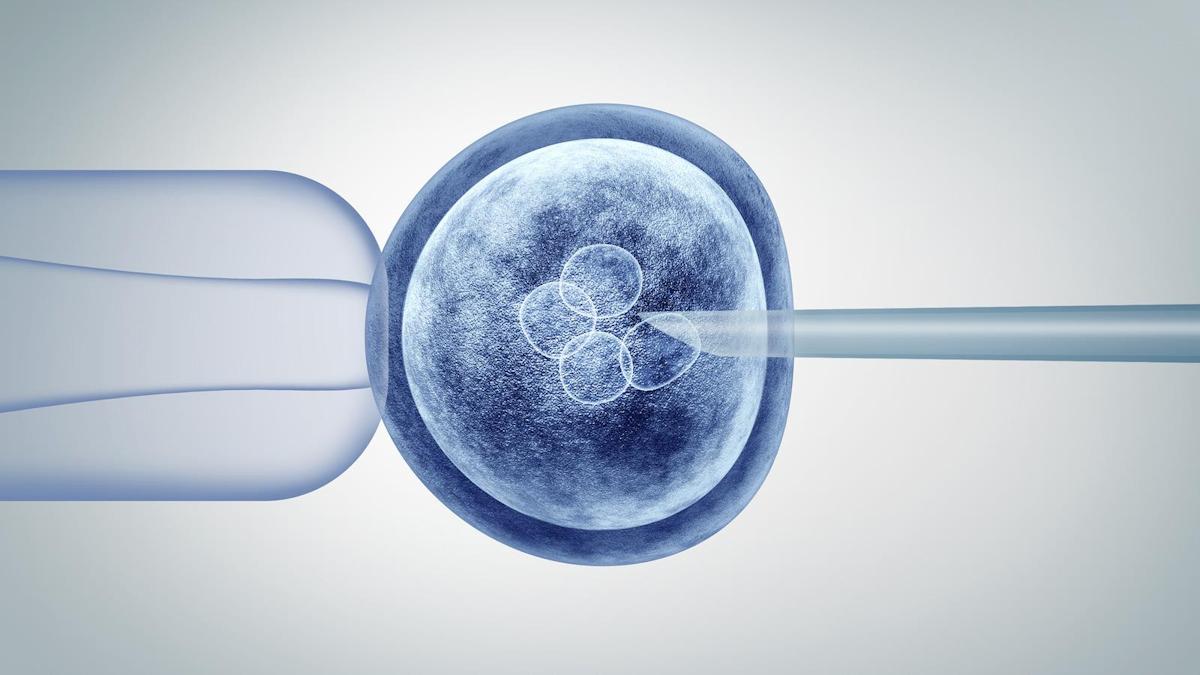
During Janjatiya Gaurav Utsav 2026, the Ministry of Tribal Affairs, CSIR and CSIR-IGIB held a workshop on Birsa-101, India’s first indigenous CRISPR (Clustered Regularly Interspaced Short Palindromic Repeats)-based gene therapy for sickle cell disease. Named after Bhagwan Birsa Munda (150th birth anniversary), it was developed by CSIR-IGIB with ministry support; technology transferred to Serum Institute of India. It uses engineered enFnCas9 with up to 1,000-fold fewer off-target events, editing bone-marrow stem cells to correct the single mutation, aligning with India’s 2047 elimination goal in tribal belts.

Serum Institute of India to Manufacture Birsa-101
Read moreRead more
Economy

16th Finance Commission (2026-31)

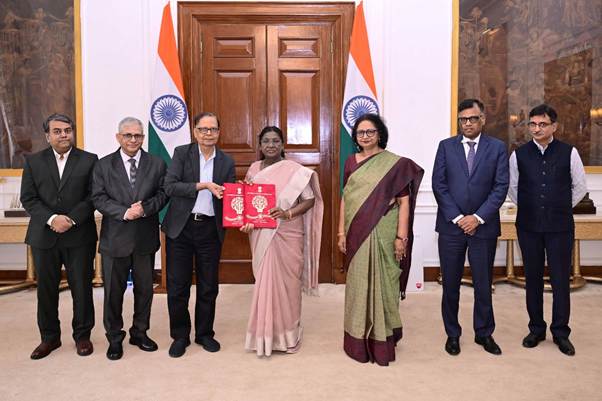
16th Finance Commission (Art. 280), chaired by Dr. Arvind Panagariya, covers 2026–31. States’ share in divisible pool stays 41%; ₹9.47 lakh crore grants for local bodies and disaster management over five years are recommended, while revenue-deficit, sector- and state-specific grants are discontinued. Rising cesses/surcharges shrink shareable pool. High income-distance weight aids poorer States; tied grants and NREGA 40% State cost raise autonomy/vertical-imbalance concerns; “base-year tyranny” cited. Way forward: rationalise cesses, reform criteria, prefer predictable untied transfers.

16th Finance Commission (2026-31)
The HinduThe Hindu
Awards

Padma Awards 2026

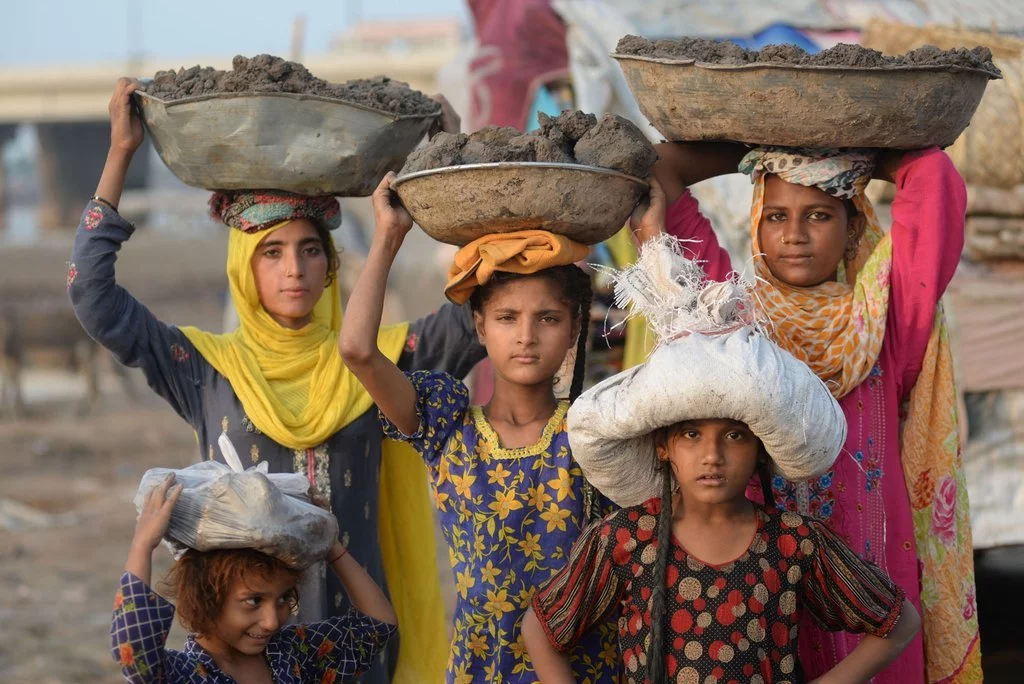
President of India conferred Padma Awards 2026 at Civil Investiture Ceremony-I, Rashtrapati Bhavan. In 2026, 131 awards are given (19 women; 6 Foreign/NRI/PIO/OCI; 16 posthumous; 2 duo cases). Instituted in 1954, Padma Awards are announced on Republic Day (except 1978–79 and 1993–97) in three categories: Padma Vibhushan, Padma Bhushan and Padma Shri. Padma Awards Committee is constituted annually by the Prime Minister and headed by the Cabinet Secretary. Padma Vibhushan 2026 awardees include Dharmendra Singh Deol, K.T. Thomas, N. Rajam, P. Narayanan and V.S. Achuthanandan.

Padma Awards 2026
PIBPIB
Science & Technology

India Begins Local Manufacturing of Wi‑Fi 7 Devices

India has begun local manufacturing of Wi‑Fi 7 devices, with TP‑Link starting production in India. Wi‑Fi 7 is governed by IEEE 802.11be and claims higher performance, speed and efficiency over Wi‑Fi 6/6E, with up to 4.8× faster speeds and throughput up to 46 Gbps. It supports Multi‑Link Operation across 2.4, 5 and 6 GHz, offers 4× lower latency, wider channels, enhanced Target Wake Time, and ‘Preamble Puncturing’ for interference management.

India Begins Local Manufacturing of Wi‑Fi 7 Devices
DD NewsDD News
Governance

Child and Adolescent Labour Act, 1986

Supreme Court issued notice to the Government seeking stricter prohibition of child labour in entertainment and hospitality. Constitutional safeguards include Article 24 (ban on below-14 in factories, mines, hazardous work), Article 23 (ban on trafficking and begar), and DPSPs under Articles 39(e)-(f). Child and Adolescent Labour (Prohibition and Regulation) Act, 1986 (amended 2016) defines child <14, adolescent 14–18; bans child work in all occupations and adolescent work in hazardous processes. Juvenile Justice Act, 2015 provides protection and rehabilitation.

Child and Adolescent Labour Act, 1986
News On AirNews On Air
Social Issues

World Health Assembly Recognizes Stroke as Public Health Priority for First Time

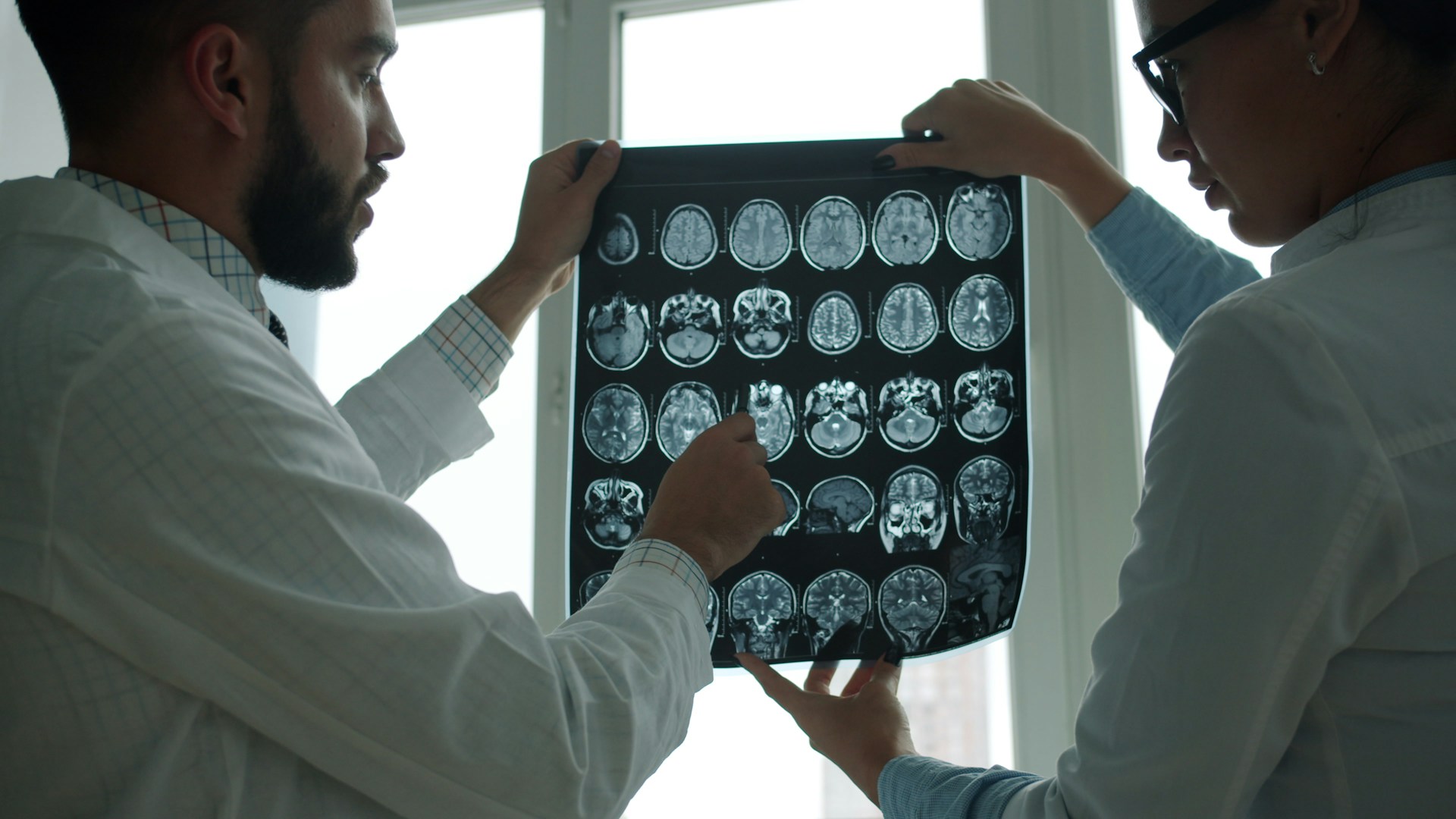
The World Health Assembly has, for the first time, recognized stroke as a public health priority. Stroke is a medical emergency due to interrupted brain blood flow from vessel blockage (ischemic, most common) or rupture (hemorrhagic); TIA is temporary. Symptoms include facial droop, arm weakness, slurred speech and vision loss. Diagnosis needs urgent CT/MRI. Treatment includes thrombolytics, emergency care and rehabilitation. Major risk factors include hypertension, diabetes, smoking and obesity; prevention emphasises lifestyle change.

World Health Assembly Recognizes Stroke as Public Health Priority for First Time
The HinduThe Hindu

29 May 2026

Defence

Defence Reforms for Private Participation

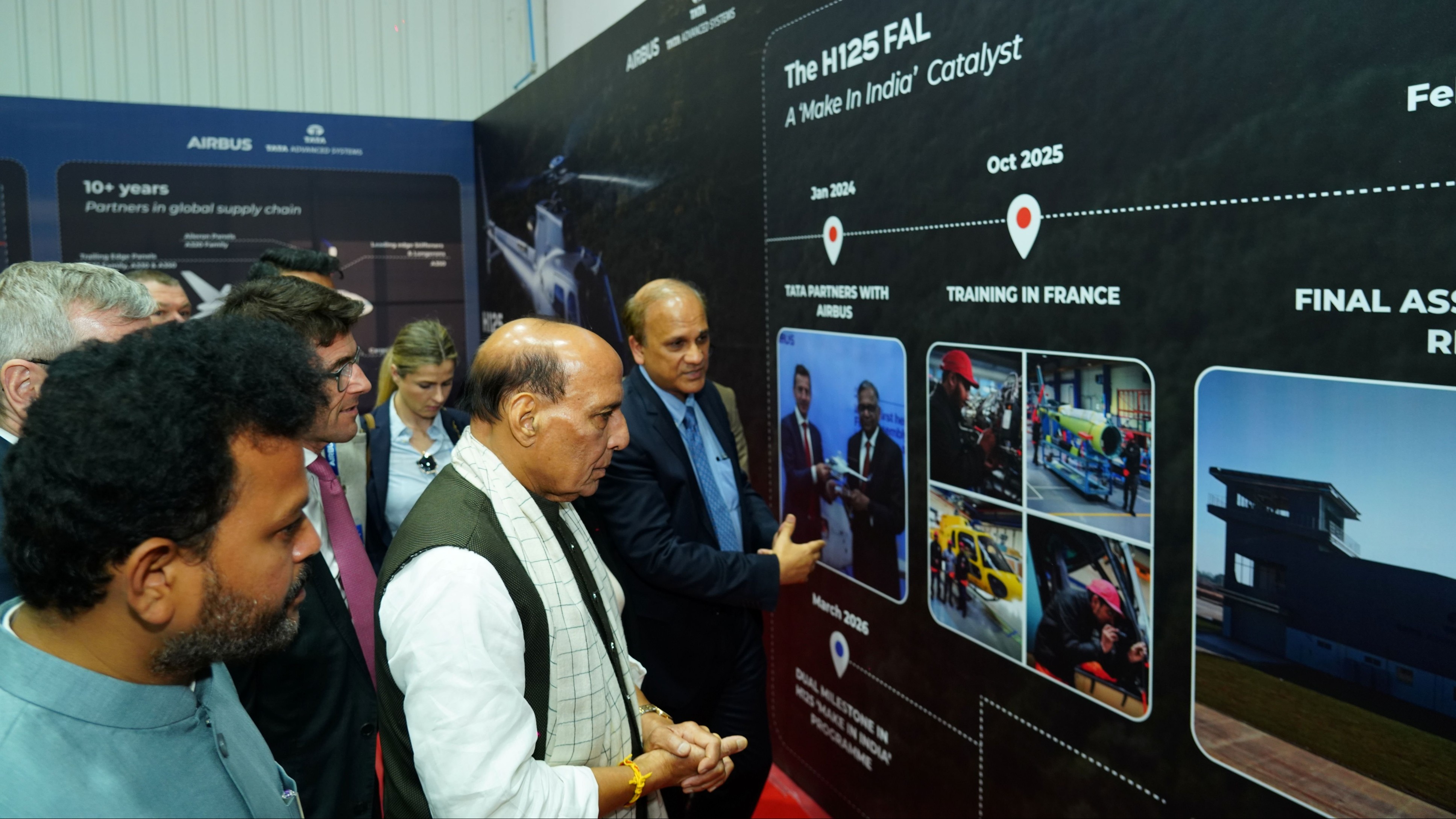
At the inauguration of the NIBE Group Defence Manufacturing Complex in Shirdi, Maharashtra, the Defence Minister stressed private sector participation to strengthen defence indigenisation and the manufacturing ecosystem. India’s first 300 km Universal Rocket Launching System, Suryastra, was flagged off. Targets include ₹3 lakh crore defence production by 2029; FDI up to 74% via automatic route; Defence Acquisition Procedure 2020 prioritises domestic capital procurement; Defence Industrial Corridors in Uttar Pradesh and Tamil Nadu; iDEX promotes collaboration with startups and MSMEs.

Defence Reforms for Private Participation
Read moreRead more
Miscellaneous

Puga Valley Geothermal Project

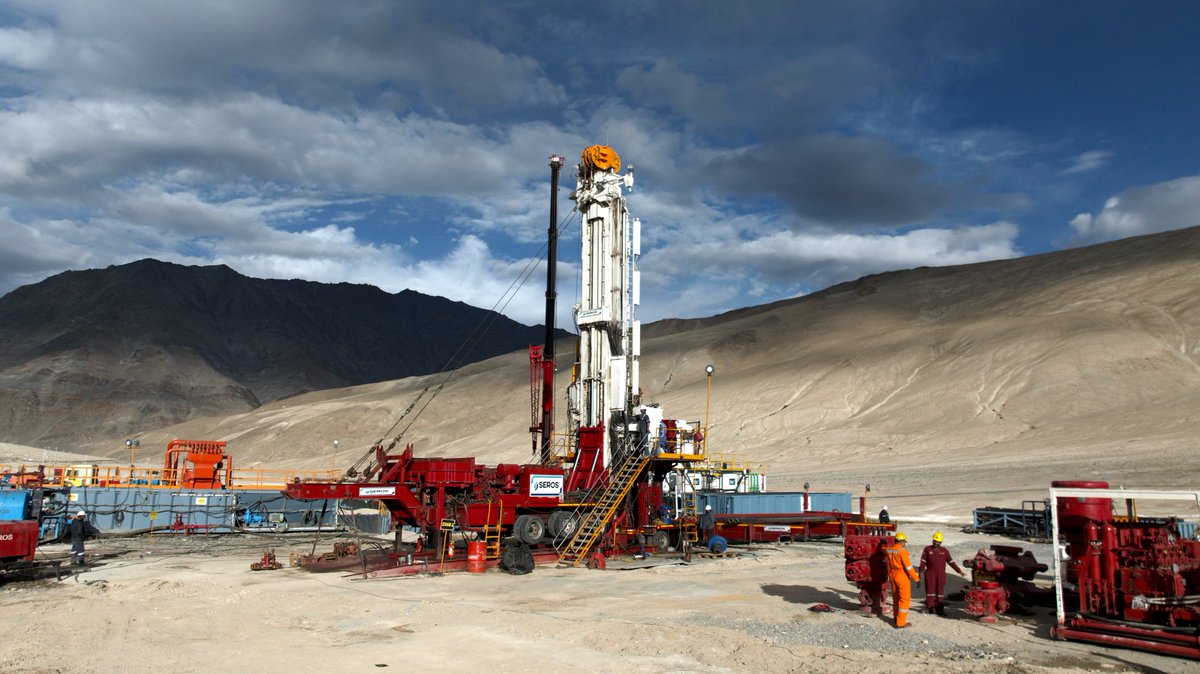
Ladakh’s Lieutenant Governor approved a five-year extension of the MoU with ONGC to set up a geothermal power plant in Puga Valley (14,000 ft), including a 1 MWe pilot plant and a DPR for large-scale commercial exploitation. Geothermal energy uses Earth’s crustal heat. GSI identified 381 hot springs (35–89°C) and 10 geothermal provinces (including Himalayan and Andaman Nicobar). India’s potential is ~10,600 MW; Puga and Chumathang are promising. National Policy on Geothermal Energy, 2025 links geothermal to renewables, energy security, and Net Zero 2070.

Puga Valley Geothermal Project
Read moreRead more
Schemes

BHAVYA Scheme

Union Government issued guidelines for BHAVYA (Bharat Audyogik Vikas Yojna), a Central Sector Scheme to create investment-ready, world-class industrial parks for manufacturing growth and investment promotion. Target: 100 parks, implemented for six years (2026–27 to 2031–32), covering greenfield and eligible brownfield projects. Parks will offer plug-and-play infrastructure, multimodal logistics, utilities, worker support, digital governance, and sustainability, aligned with Make in India and PM Gati Shakti, via SPVs under Companies Act, 2013; minimum land: 100 acres (non-hilly) and 25 acres (hilly/NE/UTs/smaller states).

BHAVYA Scheme
PIBPIB
Science & Technology

Russia’s Oreshnik Hypersonic Ballistic Missile

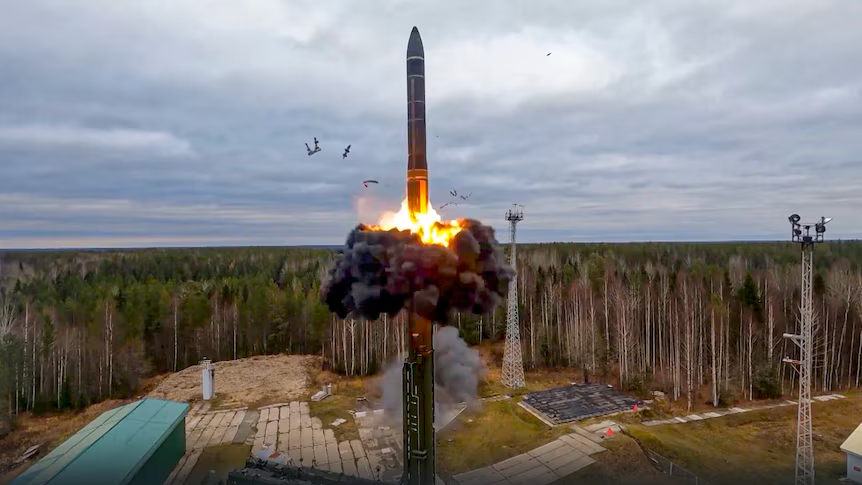
Ukraine claimed Russia used the Russian-made Oreshnik intermediate-range hypersonic ballistic missile in a mass drone and missile attack on Kyiv. Russia first used it in November 2024 against Dnipro, Ukraine. Based on the RS-26 Rubezh, it can carry nuclear or conventional warheads, has MIRV capability (6–8 warheads), is mobile transporter-launched, reaches about Mach 10, and has a reported range of ~5,000 km.

Russia’s Oreshnik Hypersonic Ballistic Missile
The HinduThe Hindu