|
Greater Adjutant Stork Conservation
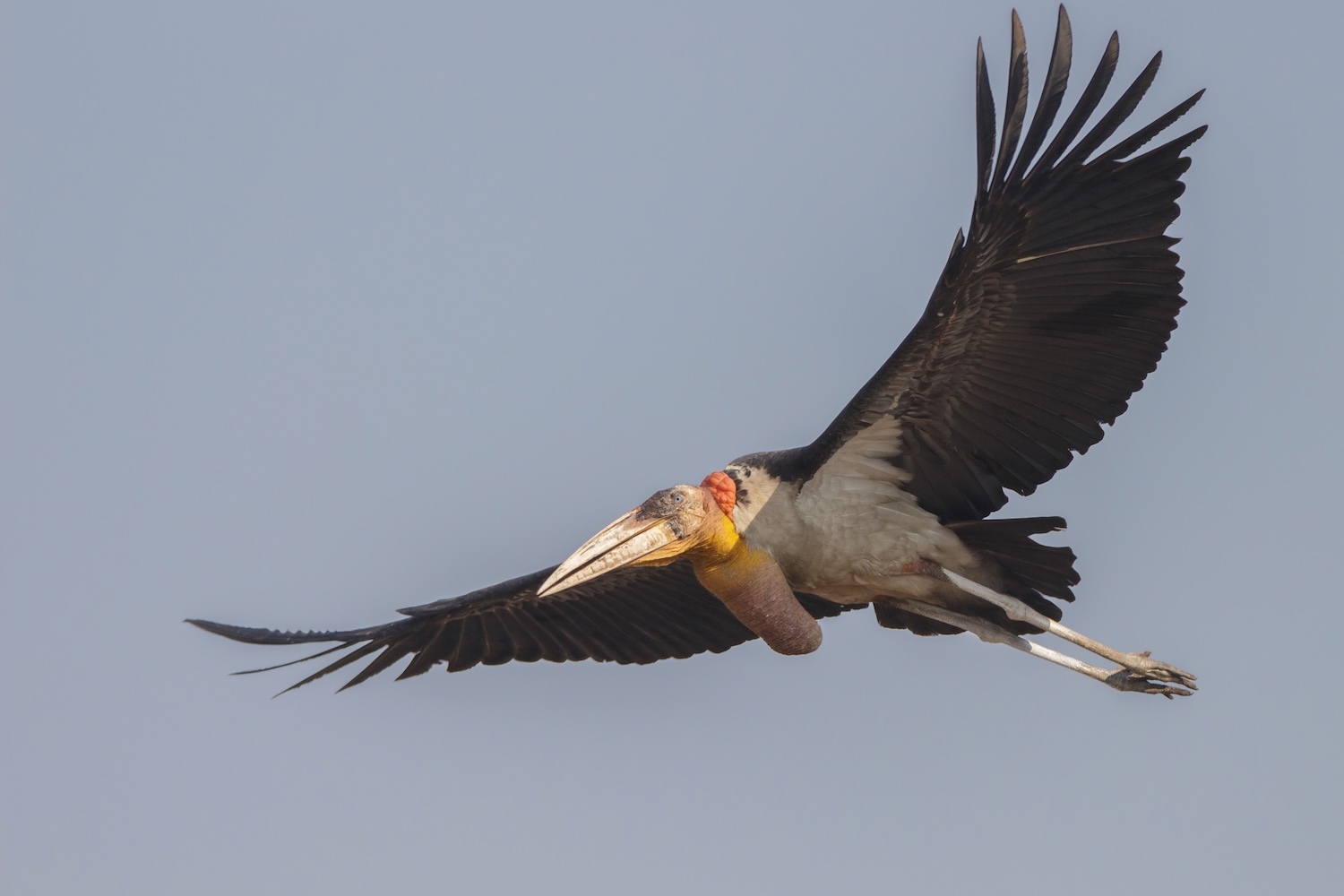
The Prime Minister of India shares the efforts of rural women in Assam, called the ‘Hargila Army’, to save the ‘Hargila Bird’. The Hargila Bird, also known as the Greater Adjutant Stork, including its habitat, distribution, threats, and conservation status.
Greater Adjutant Stork (Hargila Bird):
| Dimension | Key Details |
|---|---|
| Other name | Greater Adjutant Stork is also known as the Hargila Bird. |
| Taxonomic group | It is a large member of the stork family. |
| Habitat | It inhabits wetlands, shallow lakes, drying lake beds, and freshwater flooded forests. |
| Distribution | It resides only in Assam and Bihar in India, and in Cambodia. |
| Group behaviour | It is usually seen singly or in small groups as it stalks about in shallow water. |
| Breeding | It breeds during winter in colonies that may include other large waterbirds. |
| Diet | It is omnivorous: it is mainly a scavenger, and it also preys on frogs and large insects, and takes birds, reptiles, and rodents. |
| Threats | Threats comprise loss of nesting and feeding habitat through draining of wetlands, and pollution. |
| IUCN status | Its IUCN conservation status is Near Threatened. |
| Indian legal status | Under the Indian Wildlife (Protection) Act, 1972, it is listed in Schedule IV. |