|
Digital Scam Compensation Pilot
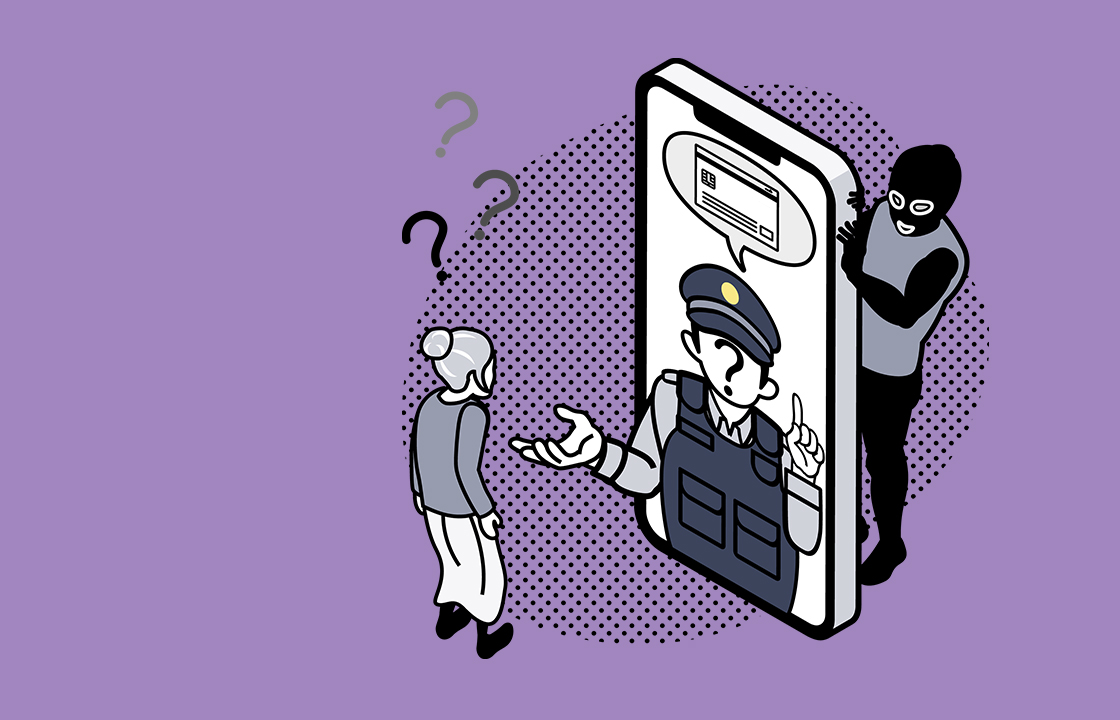
The Reserve Bank of India introduces an amendment to its 2017 circular on “Limiting Liability of Customers in Unauthorised Electronic Banking Transactions.” The amended framework provides a 1-year pilot mechanism for reimbursing retail customers affected by specified digital frauds, effective from January 1, 2027.
RBI Digital Scam Compensation Pilot (Amendment to 2017 Circular):
| Dimension | Key Details |
|---|---|
| Issuing authority | The framework is issued by the Reserve Bank of India (RBI). |
| Legal/Policy reference | The framework amends the 2017 circular on “Limiting Liability of Customers in Unauthorised Electronic Banking Transactions.” |
| Implementation timeline | The rules are implemented as a 1-year pilot project effective from January 1, 2027. |
| Change in reporting window | For third-party breaches, the timeline to report a loss is increased to 5 calendar days from 3 working days. |
| Definition: Fraudulent Electronic Banking Transactions (EBTs) | The RBI defines fraudulent EBTs as transactions executed by a third-party using credentials obtained from the customer through fraudulent means, or executed by the customer under explicit coercion or duress. |
| Included scam types | The pilot covers scams such as digital arrests, and fraudulent OTP theft. |
| Customer negligence: fraud warning signals | Customers who actively ignore explicit, automated fraud signal warnings, such as real-time alerts displayed on a UPI PIN screen indicating a potential scam, are not eligible for compensation. |
| Customer negligence: contact information mandate | Failure to update and register the latest mobile number or email address with the bank constitutes customer negligence. |
| Loss coverage threshold | The framework applies to losses up to ₹50,000, and scams involving losses above ₹50,000 are excluded. |
| Compensation amount and caps | Individual victims can claim 85% of the lost amount, subject to a lifetime cap of ₹25,000 per customer. |
| Flat capped payout band | For scam amounts between ₹29,412 and ₹50,000, the customer receives a flat compensation of ₹25,000. |
| Funding pattern | Approximately 75% of the compensation amount is funded by the RBI, and the customer’s bank and the beneficiary bank equally share the remaining 25%. |
| Settlement timelines | The institutional complaint settlement timeline is extended to 45 to 60 days, with the 60-day limit reserved for cross-border or international electronic transactions. |
| Shift from 2017 framework | Under the 2017 guidelines, banks are liable to compensate customers primarily if the transactions are completely unauthorized by the user. |