|
President Notifies Inter-State Council (Amendment) Order, 2026
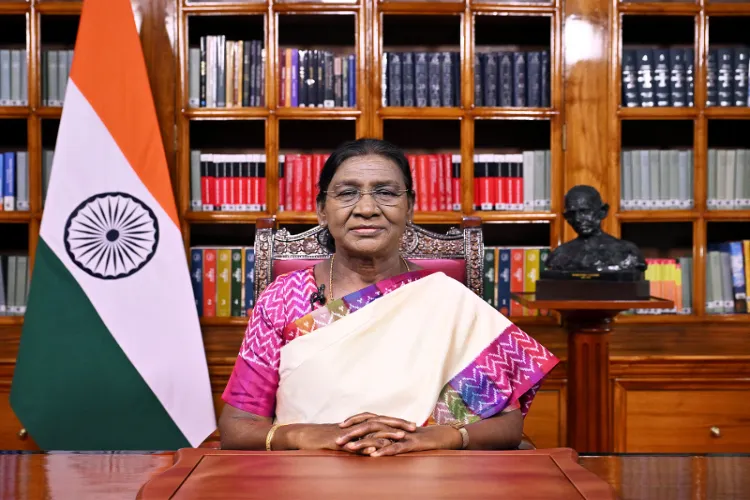
The President notifies the Inter-State Council (Amendment) Order, 2026, amending the Inter-State Council Order, 1990. The Ministry of Home Affairs notifies the order, which provides for inviting Governors and Lieutenant Governors to Inter-State Council meetings in specified situations linked to constitutional or statutory provisions.
Inter-State Council (Amendment) Order, 2026:
| Dimension | Key Details |
|---|---|
| Constitutional basis for amendment | The amendment is made by the President under the powers conferred by Article 263 of the Constitution. |
| What the amendment replaces | Under the amended order, the existing provision is replaced with a provision specifying 4 situations in which the concerned Governor or Lieutenant Governor shall be invited to attend meetings of the Inter-State Council. |
| Inviting Governor or Lieutenant Governor: specified situations | The concerned Governor or Lieutenant Governor shall be invited when specified provisions are in force: Article 356 proclamation in a State; Article 239AB order in the National Capital Territory of Delhi; Government of Union Territories Act, 1963 order in Puducherry; Jammu and Kashmir Reorganisation Act, 2019 order in Jammu and Kashmir. |
| Establishment of Inter-State Council | The Inter-State Council is established under Article 263 of the Constitution through the Inter-State Council Order, 1990. |
| Publication detail of the original order | The original Inter-State Council Order, 1990 is published in the Gazette of India on May 28, 1990. |
| Source of recommendation | The Inter-State Council Order, 1990 is following the recommendations of the Sarkaria Commission of 1983. |
| Functions | It provides for coordination, cooperation, and dispute resolution between the Union and states, or among the states. |
| Nature of body | The council plays an advisory role and it is not a permanent body by default. |
| Chairperson | It is headed by the Prime Minister of India. |
| Membership | Members comprise Chief Ministers of all states and Union Territories with legislatures, and administrators of Union Territories without legislatures. |
| Union ministers in the council | Six Union Cabinet-rank ministers are nominated by the Prime Minister. |