|
UN Declares 2026 International Year of the Woman Farmers
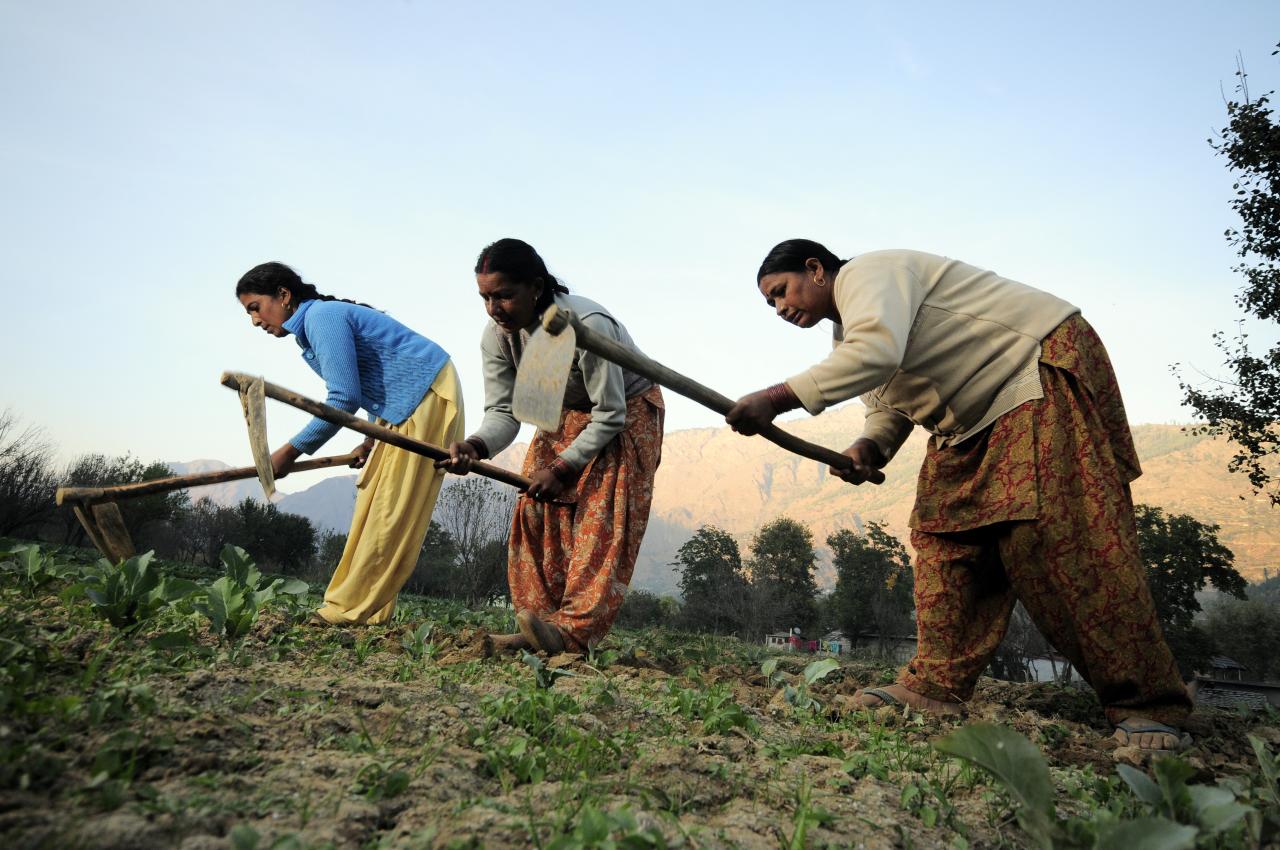
The United Nations designates 2026 as the International Year of the Woman Farmers to highlight the vital and indispensable role of women in global agriculture and rural economies. The news focus includes current data points on women’s participation, landholding, and access to schemes and services, along with state-level best practices affecting women farmers.
International Year of the Woman Farmers (2026) and Women in Agriculture:
| Dimension | Key Details |
|---|---|
| Rural Female Labour Force Participation Rate (FLPR) | The rural Female Labour Force Participation Rate (FLPR) rises from 41.5% in 2022-23 to 47.6% in 2023-24. |
| Workforce Profile | Among rural women in agriculture, 33% work as agricultural labourers, and 48% to 50% operate as self-employed farmers. |
| Land Ownership | Women hold 12.8% to 14% of operational agricultural landholdings. |
| Recognition Gap | State administrative databases use land revenue titles as the primary source of truth to define a farmer. |
| PM-KISAN Beneficiary Share (Women) | Women constitute 23% to 25% of PM-KISAN beneficiaries nationwide. |
| Technology Deficit | Women receive less than 20% of agricultural extension advisory services. |
| Market Barriers | Restricted mobility, social constraints, and lower literacy prevent women from directly accessing value chains. |
| Worker-Owner Dichotomy | Women perform the bulk of field labour and farm decisions, yet lack formal ownership rights in formal cooperatives and markets. |
| Maharashtra | Maharashtra passes the Women Farmers’ Empowerment Bill, granting women independent recognition as farmers irrespective of land ownership through a Woman Farmer Certificate. |
| Kerala | Kerala’s Kudumbashree collective farming initiative organises women into farming groups to lease land, grow food, and secure financial credit. |
| Odisha | Odisha’s KALIA Scheme provides direct financial assistance to landless, vulnerable, and marginal women farmers without requiring land ownership as a strict entry barrier. |