|
Kerala Western Ghats finds new lichen Buellia maharajensis
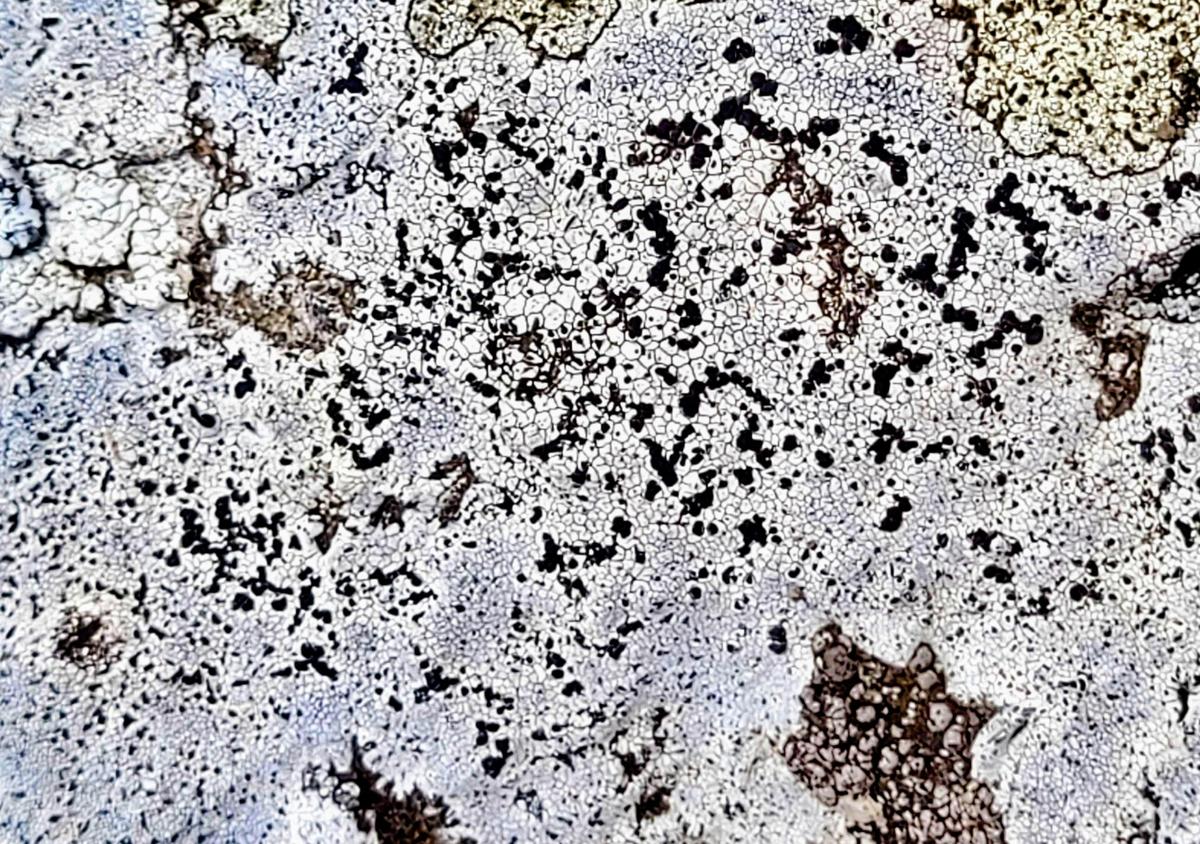
Researchers discover a new lichen species, Buellia maharajensis, in Mathikettan Shola National Park in the Idukki district of Kerala. The discovery is reported from the Western Ghats, and the same survey reports Buellia hemisphaerica and Buellia nilgiriensis as new species records for Kerala.
Buellia maharajensis (New Lichen Species):
| Dimension | Key Details |
|---|---|
| Taxonomy | Belongs to the family Caliciaceae and the genus Buellia. |
| Growth type | Is a saxicolous lichen, meaning it grows exclusively anchored directly onto rock surfaces. |
| Ecological nature | Represents a composite, symbiotic partnership between a fungus (mycobiont) and a photosynthetic algal or cyanobacterial partner (photobiont). |
| Etymology | Named “maharajensis” in honor of Maharaja's College, Ernakulam, recognising the institution's 150th anniversary and its historical contributions to botanical research in the region. |
| Discovery site | Is uncovered within Mathikettan Shola National Park in the high ranges of Idukki district, Kerala (Western Ghats). |
| Elevation and micro-habitats | Is recorded at an elevation of around 1,351 meters above sea level in montane wet grassland and rocky outcrop micro-habitats. |
| Local biodiversity milestone | Represents the 4th new lichen species to science discovered from Mathikettan Shola National Park. |
| Environmental indicator basis | Lichens lack root systems and absorb water and nutrients directly from the air, making them exceptional bio-indicators of air quality, atmospheric pollution, and microclimatic stability in Shola-grassland ecosystems. |
| Associated Kerala state records | Reports Buellia hemisphaerica and Buellia nilgiriensis as new species records for the state of Kerala. |