|
India’s First Genome-Wide Endometriosis Study
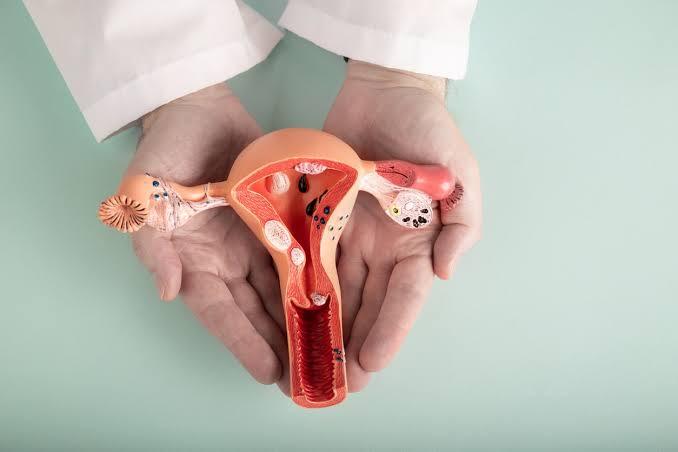
India’s first genome-wide study of endometriosis reports 21 genetic regions potentially linked to the disease in Indian women. The Endometriosis Clinical and Genetic Research in India (ECGRI) initiative provides a clinical and genomic dataset based on participants with surgically confirmed endometriosis and control participants.
Genome-Wide Endometriosis Study:
| Dimension | Key Details |
|---|---|
| Disease definition | Endometriosis comprises a chronic condition in which tissue similar to the lining of the uterus (endometrium) grows outside the uterus. |
| Pathological effects | The condition comprises inflammation and the formation of scar tissue. |
| Onset window | Occurrence applies to any time from menarche to menopause. |
| Population applicability | Occurrence applies regardless of ethnic or social background, and applies to transgender men and non-binary menstruating individuals. |
| Global burden | Global burden comprises approximately 10% of women of reproductive age, or about 190 million individuals. |
| Treatment status | Current treatment options comprise no definitive cure. |
| Common symptoms | Common symptoms comprise severe menstrual or period pain, chronic pelvic pain, pain associated with menstruation, infertility, and sometimes other pain-related symptoms. |
| Study inference | The study’s inference comprises evidence that genetic susceptibility may contribute to endometriosis. |
| Potential future applications | Potential research applications comprise disease mechanisms, earlier recognition, non-invasive diagnostics, and personalised treatment. |
| ECGRI initiative | ECGRI comprises an initiative established to develop a comprehensive clinical and genomic dataset of Indian women diagnosed with endometriosis. |
| Collaboration network | The study collaboration comprises 18 centres across India. |
| Study participants | Participants comprise women with surgically confirmed diagnoses of endometriosis, and the study comprises control participants for comparative analysis. |
| Dataset components | The dataset comprises clinical information, genomic data, and a biorepository. |