|
WMO Warns El Nino May Intensify Through 2027
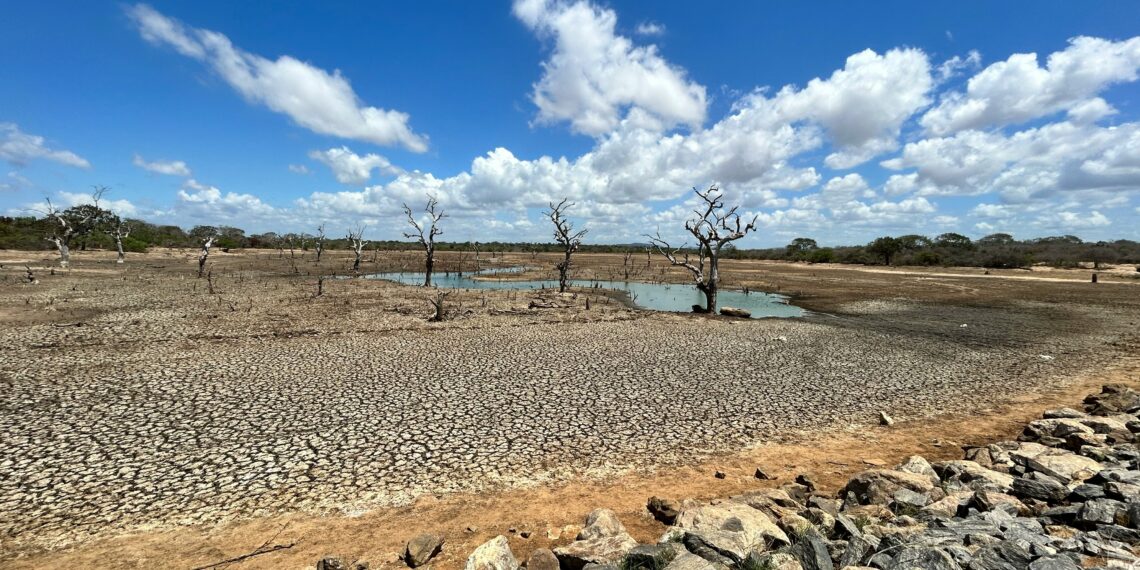
The World Meteorological Organization (WMO) warns that El Nino is expected to intensify through 2027, elevating risks of extreme weather events, agricultural stress, and economic instability. The warning is issued by WMO in Geneva, Switzerland, amid unusually warm ocean waters contributing to the development of El Nino conditions.
El Nino and La Nina:
| Dimension | Key Details |
|---|---|
| El Nino definition | El Nino is a natural climate pattern characterized by the warming of ocean surface temperatures in the central and eastern tropical Pacific Ocean. |
| El Nino ocean-atmosphere conditions | During El Nino, trade winds weaken or reverse, and warm water shifts eastward toward South America. |
| El Nino effects on India | El Nino is often associated with weaker southwest monsoon rainfall, and can increase the likelihood of drought conditions and heat waves. |
| El Nino global effects | El Nino effects include droughts in Australia and parts of Southeast Asia, increased rainfall in western South America, and warmer global temperatures. |
| La Nina definition | La Nina is a phase in which sea surface temperatures in the central and eastern tropical Pacific become cooler than normal. |
| La Nina ocean-atmosphere conditions | During La Nina, trade winds strengthen, and warm water is pushed further west toward Asia and Australia. |
| La Nina effects on India | La Nina is generally linked to stronger monsoon rainfall, and can increase the risk of floods in some regions. |
| La Nina global effects | La Nina effects include wetter conditions in Australia and Southeast Asia, drier conditions in western South America, and slight cooling of global temperatures. |
| Ocean condition linked to El Nino development | Unusually warm ocean waters are contributing to the development of El Nino conditions. |
| Typical global outcome of El Nino events | El Nino events typically lead to increased global temperatures and more extreme weather and rainfall patterns. |
| Temperature forecast (June to August) | Above-average temperatures are forecast for most regions worldwide from June to August. |