|
UNFCCC SB64 Bonn Dialogue Flags Trade-Linked Climate Measures Hitting Developing Economies
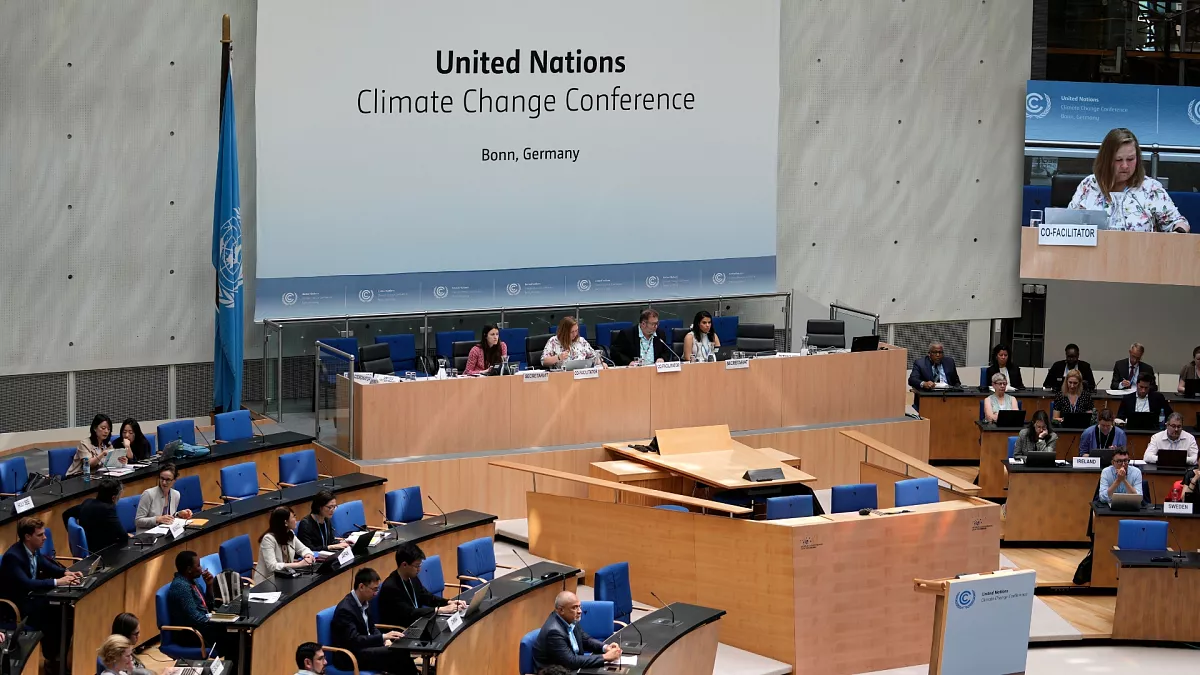
A dialogue on trade measures linked to climate change is held on the sidelines of the 64th Sessions of the UNFCCC Subsidiary Bodies (SB64), also called the Bonn Climate Change Conference. The dialogue is created in response to concerns from developing nations about increasing trade-related climate measures and their potential impacts.
UNFCCC SB64 Bonn Dialogue on Trade-Linked Climate Measures:
| Dimension | Key Details |
|---|---|
| Event context | The dialogue is held on the sidelines of the 64th Sessions of the UNFCCC Subsidiary Bodies (SB64), also known as the Bonn Climate Change Conference. |
| Creation trigger | The dialogue is created in response to concerns from developing nations about increasing use of trade-related climate measures and their potential impacts. |
| Types of trade measures linked to climate change | Trade measures comprise unilateral measures (example: EU Carbon Border Adjustment Mechanism, CBAM); green subsidies (example: U.S. Inflation Reduction Act); and non-tariff measures, NTMs (examples: mandatory Corporate Sustainability Due Diligence, Digital Product Passports, and EU anti-deforestation laws). |
| EU CBAM coverage (sectors) | EU’s CBAM applies to energy-intensive sectors that are highly vulnerable to carbon leakage. |
| EU CBAM sectoral impact (exports) | Disproportionate sectoral impacts comprise EU’s CBAM heavily impacting critical export sectors like aluminum, iron, steel, cement, and fertilizers. |
| Impact on developing countries (economic) | Economic burden comprises such measures functioning as trade barriers, creating severe compliance costs and market access restrictions for developing economies. |
| Impact on developing countries (structural transformation) | Threats to structural transformation comprise trade barriers threatening industrialization and risking lock-in into low-value, extractive roles in the new green economy. |
| Difference area: Institutional governance framework | Institutional governance preferences comprise developing nations wanting climate-trade measures under the UNFCCC to protect equity/CBDR, while developed countries prefer the WTO framework. |
| Difference area: Policy space constraints | Restricted policy space comprises strict WTO limits on green subsidies and local content rules for developing states, alongside massive budgets in advanced economies dominating clean technology. |
| Difference area: Technology access | Technology access issues comprise strict intellectual property rules forcing developing nations into costly licensing, stalling global sharing of critical climate technologies. |