|
Zoological Survey of India Discovers Three New Amphiops Aquatic Beetles
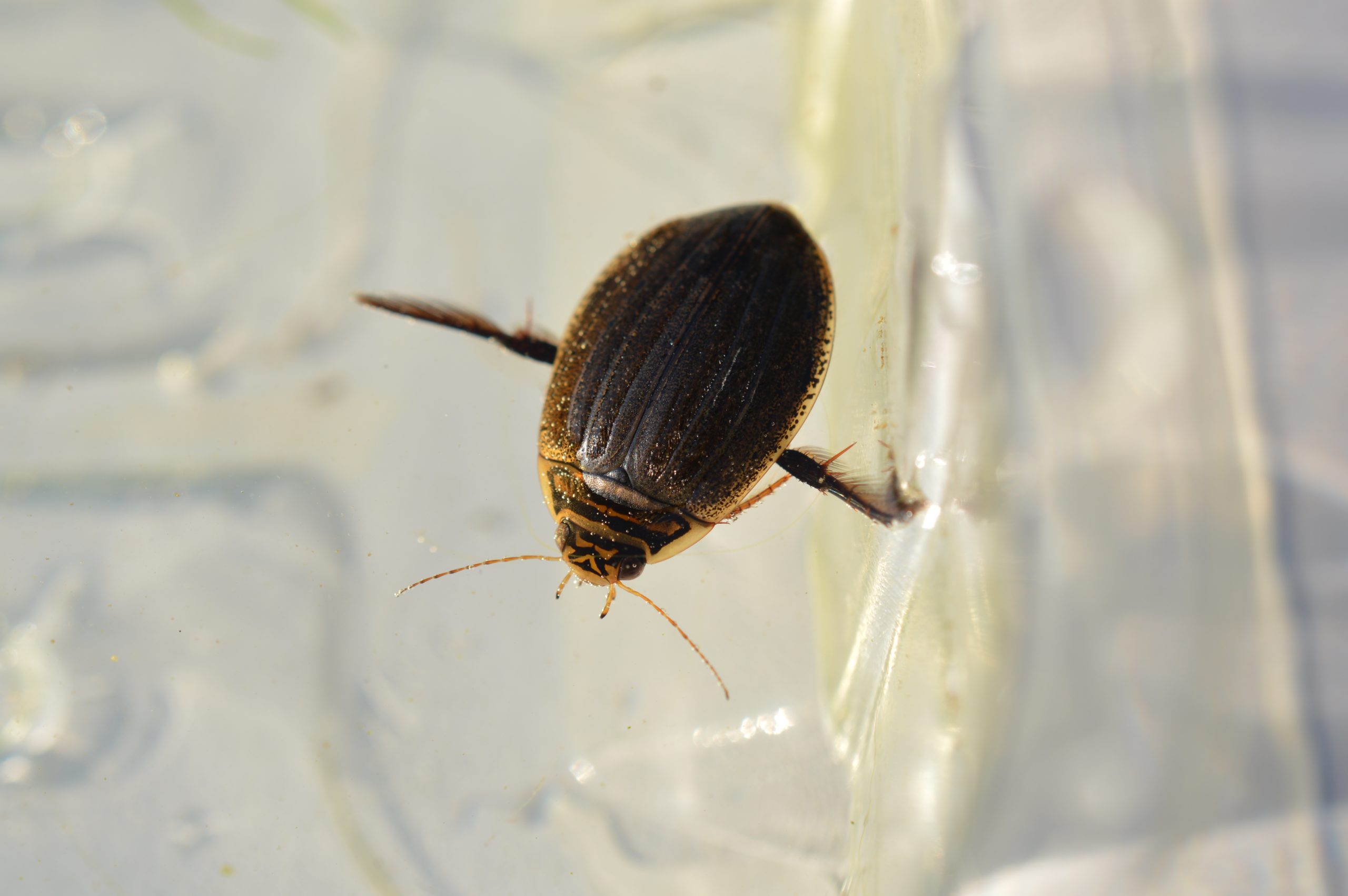
Researchers from the Zoological Survey of India (ZSI) and collaborating institutions discover 3 new species of aquatic beetles from freshwater habitats in Telangana and Uttar Pradesh. The newly described species belong to the genus Amphiops in the family Hydrophilidae, and their distinctness is confirmed through COI mitochondrial DNA barcoding.
New Amphiops Aquatic Beetle Species (ZSI Discoveries):
| Dimension | Key Details |
|---|---|
| Discovering authority | The discovery comprises researchers from the Zoological Survey of India (ZSI) and collaborating institutions. |
| Number of species discovered | The discovery comprises 3 new species of aquatic beetles. |
| Habitats and locations | The species are discovered from freshwater habitats in Telangana and Uttar Pradesh. |
| Taxonomic placement | The species belong to the family Hydrophilidae and the genus Amphiops. |
| Genus habitat adaptation | The genus Amphiops comprises species adapted to shallow freshwater ecosystems like ponds, wetlands, and vegetated substrates. |
| Species and discovery sites | The discovery comprises: Amphiops hyderabadi (seasonal pond in Hyderabad, Telangana), Amphiops kinnerasani (roadside pond inside Kinnerasani Wildlife Sanctuary, Telangana), and Amphiops sandi (Sandi Bird Sanctuary, Uttar Pradesh). |
| Distinct traits | Each species comprises unique body structures, punctation patterns, and reproductive features. |
| Genetic divergence | COI mitochondrial DNA barcoding reveals 7–17% divergence, confirming the species as distinct evolutionary lineages. |
| COI gene sequencing | COI gene sequencing (Cytochrome c Oxidase I gene) comprises a standard DNA barcoding method using a short section of the gene to identify and differentiate animal species. |