|
Mutation Breeding Develops Imidazolinone-Resistant Mustard
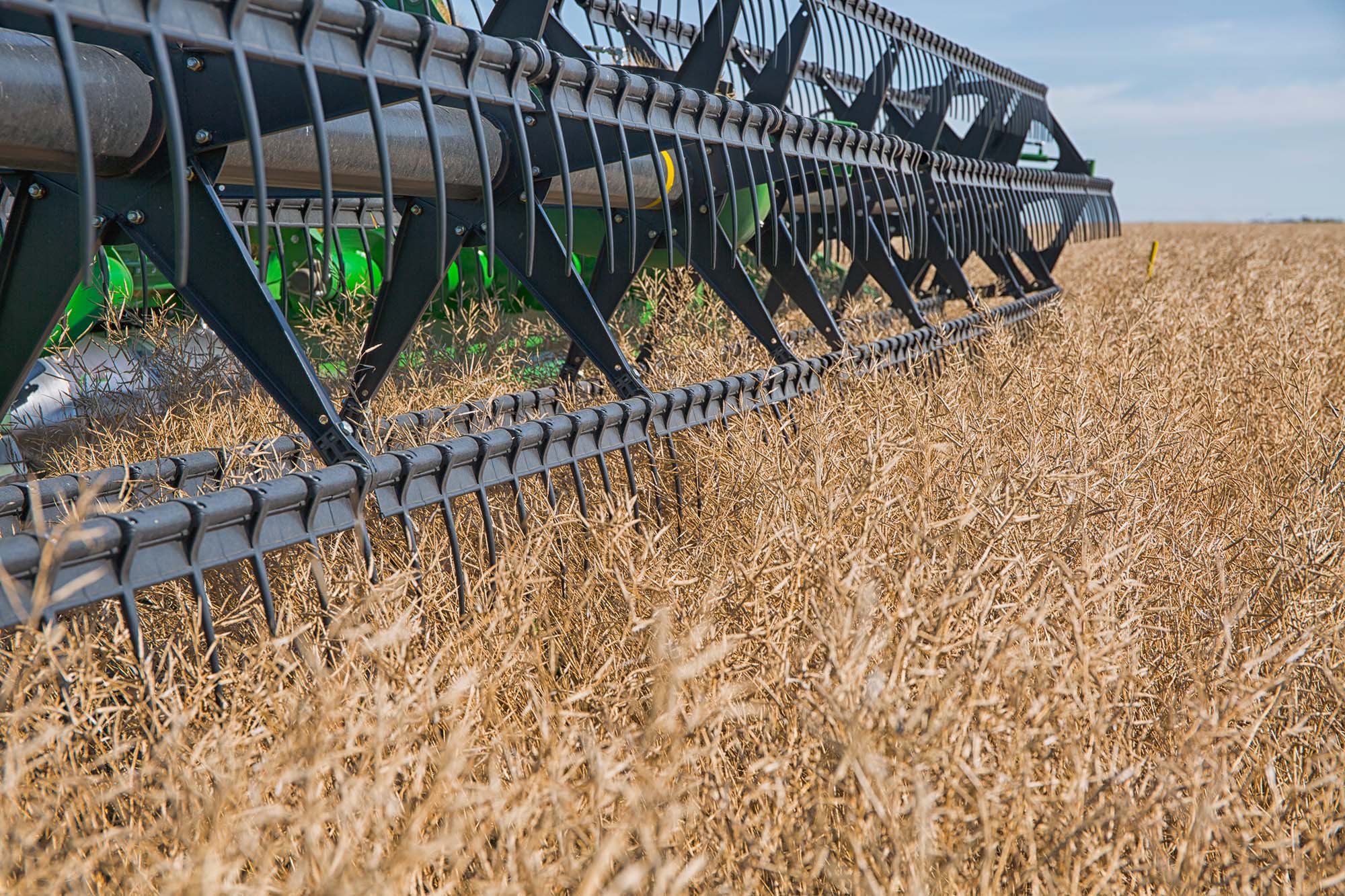
In the 2026–27 rabi sowing season, Indian farmers are set to begin wide-scale cultivation of imidazolinone-resistant (IMI-resistant) mustard hybrids. These hybrids are developed through mutation breeding to allow spraying IMI herbicides over mustard fields to control the parasitic weed Orobanche.
IMI-Resistant Mustard Hybrids (Imidazolinone-Resistant Mustard):
| Dimension | Key Details |
|---|---|
| Definition | IMI-resistant mustard hybrids comprise mustard varieties that are resistant to imidazolinone herbicide. |
| Problem addressed | It is designed to overcome Orobanche, a parasitic weed described as a major hurdle in oilseed production. |
| Orobanche (parasite) | Orobanche comprises a destructive root parasite that attaches to the mustard plant and drains water and nutrients, and it has more recently been called Phelipanche. |
| Edible oil deficit | India imported 16 million tonnes of edible oils in 2024–25, at about ₹1.6 lakh crore. |
| Mustard | Mustard is described as the most vital oilseed crop to meet edible oil demand, especially in the arid environments of North India. |
| Development process | Unlike genetically modified (GM) crops, these hybrids are developed through mutation breeding, where scientists breed crops to preserve certain natural mutations. |
| Mutation breeding | Mutation breeding provides for exposing plant seeds or tissue to physical agents, like radiation, or chemical mutagens to intentionally induce genetic variations. |
| Key enzyme | The process is based on acetolactate synthase (ALS), which is essential for plant growth. |
| Herbicide action in normal mustard | Normal mustard plants are killed by IMI herbicides because the herbicides inhibit ALS. |
| Resistance mechanism | In IMI-resistant mustard hybrids, a single DNA change makes the plant’s ALS enzyme resistant to imidazolinone (IMI) herbicides. |
| Field application and effect | Farmers are freed to spray IMI herbicides directly over the field, and the herbicide kills weeds like Orobanche but leaves the mustard crop unharmed. |
| Why effective against Orobanche | The herbicide travels through soil and plant tissues, reaching the parasite where manual weeding cannot. |
| Stated benefits | Farmers do not increase the demand for labour during the short, critical weeding period, and the research community is benefited because it protects oilseeds. |