|
Delhi Bird Atlas 2025 Released
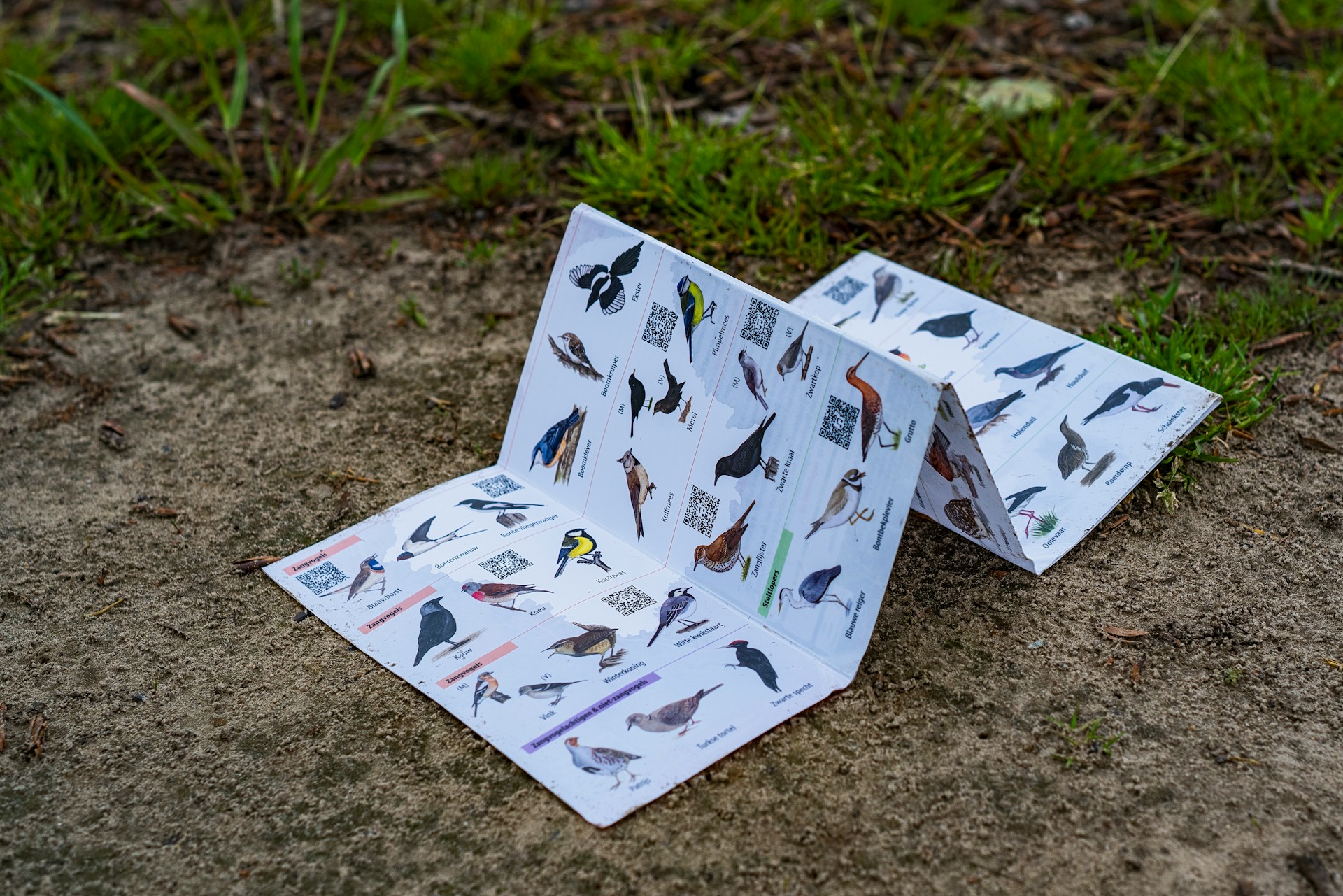
The Delhi Bird Atlas 2025 is released as the first systematic effort to map the distribution and abundance of bird species across the National Capital Territory. It is prepared by the Delhi Forest Department, Bird Count India, WWF-India, and partner organizations, and it places Delhi second only to Nairobi among the world’s national capitals in bird diversity.
Delhi Bird Atlas 2025:
| Dimension | Key Details |
|---|---|
| Nature of initiative | It comprises the first systematic effort to map the distribution and abundance of bird species across the National Capital Territory. |
| Prepared by | It is prepared by the Delhi Forest Department, Bird Count India, WWF-India, and partner organizations. |
| Global rank mentioned | It places Delhi second only to Nairobi among the world’s national capitals in bird diversity. |
| Reasons cited for high bird diversity | It is attributed to Delhi’s unique geographical location: northern edge of the Aravalli Range; proximity to the Western Himalayas; presence of the Yamuna and Sahibi floodplains; and strategic location along the Central Asian Flyway (CAF). |
| Central Asian Flyway (CAF) | Central Asian Flyway is governed by its role as a major migratory route connecting the Arctic with the Indian Ocean. |
| Coverage | It covers 11% of Delhi’s area. |
| Survey initiation | It has been initiated in January 2025. |
| Survey frequency | It is conducted twice annually, in winter and summer. |
| Sampling grid | Delhi is divided into 6.6 km × 6.6 km grids. |
| Sampling design | It comprises 145 subcells that are randomly selected for sampling. |
| Data collection platform | Data is collected through standardized bird checklists uploaded to eBird. |
| Total species in Delhi checklist | Delhi’s bird checklist now includes 471 species. |
| Species not re-recorded since 1975 | An additional 22 species have not been re-recorded since 1975. |
| First-year documentation totals | During the first year of surveys, 221 species are documented, comprising 200 species in winter and 152 species in summer. |
| First-year migration and residency categories | During the first year of surveys, it comprises 126 resident species, 81 winter migrants, and 14 summer migrants. |
| Ecological composition | Birds are classified according to feeding habits: invertebrate feeders (108 species, 48.87%); plant and seed feeders (37 species); omnivores (34 species); vertebrate and carrion feeders (33 species); and fruit and nectar feeders (9 species). |
| Endemic species recorded | It also records 18 endemic species. |
| Threatened birds listed in the atlas | It comprises threatened birds including endangered Egyptian Vulture and Black-bellied Tern; vulnerable River Tern and Common Pochard; and near threatened Black-tailed Godwit, Ferruginous Duck, Painted Stork, Black-headed Ibis, and Oriental Darter. |