|
Aravalli Mountains Petroglyph Site
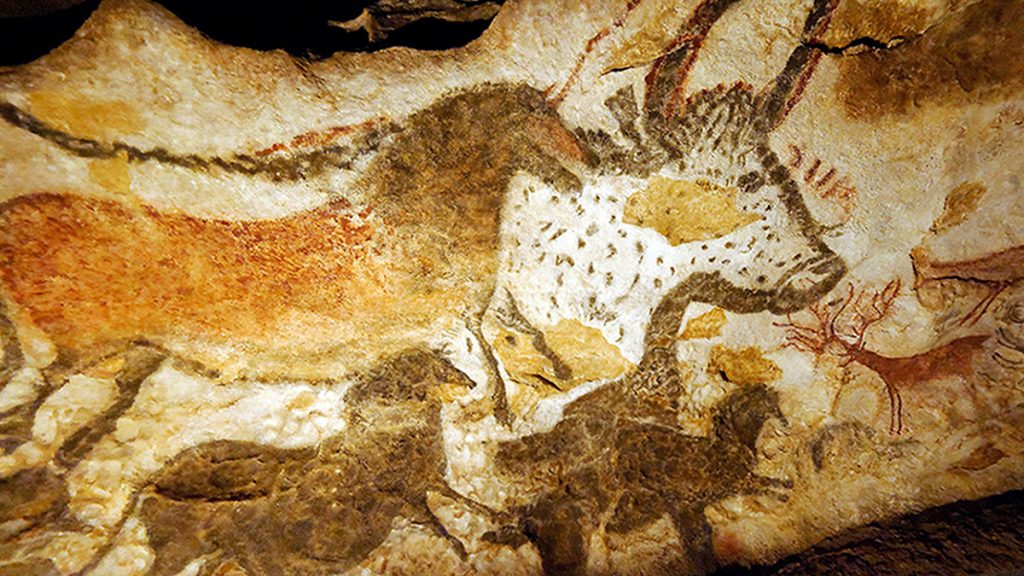
Ancient petroglyphs are discovered along the Aravalli Mountains, with findings reported from the Bhondsi stretch of the Aravalli forests in Gurugram, Haryana. The discovery includes multiple rock-art features and stone tools, bringing attention to the archaeological significance of the Aravalli landscape.
Aravalli Mountains Petroglyph Site (Bhondsi, Gurugram):
| Dimension | Key Details |
|---|---|
| Petroglyphs | Petroglyphs are ancient symbolic images, figures, or inscriptions carved into rock surfaces. |
| Methodology | Petroglyphs are created by pecking, incising, drilling, or scratching with a harder tool, usually stones, to expose the lighter rock underneath. |
| Timeline in India | Many key petroglyphs in India date back to the Mesolithic Period, around 10,000 to 8,000 BCE, and continue into historic periods. |
| Purpose | Petroglyphs serve as early communication, astronomical markers, mapping, and tribal boundary markers. |
| Distinction | Petroglyphs are distinct from petrographs, which are simply painted or drawn onto rocks. |
| Aravalli discovery location | The Aravalli petroglyphs are discovered in the Bhondsi stretch of the Aravalli forests, Gurugram, Haryana. |
| Discovered features | The site comprises petroglyphs, cupules (cup-shaped depressions), geometric grids, possible stone game boards, a foot-shaped engraving, and stone tools. |
| Bhondsi cluster location context | The Bhondsi cluster lies near the Bhuvneshwari Mata Mandir complex in the Aravalli belt extending from Delhi Ridge through Gurugram and Faridabad. |
| Other documented distribution | Similar prehistoric markers are documented at Sanjay Van, JNU Ridge, East of Kailash, Surajkund, Mohabatabad, Dhauj, Kot, and Alwar. |
| Major petroglyph sites in India | Major petroglyph sites in India comprise Ladakh (India’s first Petroglyph Conservation Park), Konkan Region (Maharashtra), Edakkal Caves (Kerala), and Usgalimal (Goa). |