Current Affairs

pib_logo

And other top trusted sources

1 August 2026

Environment

7th Draft Western Ghats Eco-Sensitive Area Notification

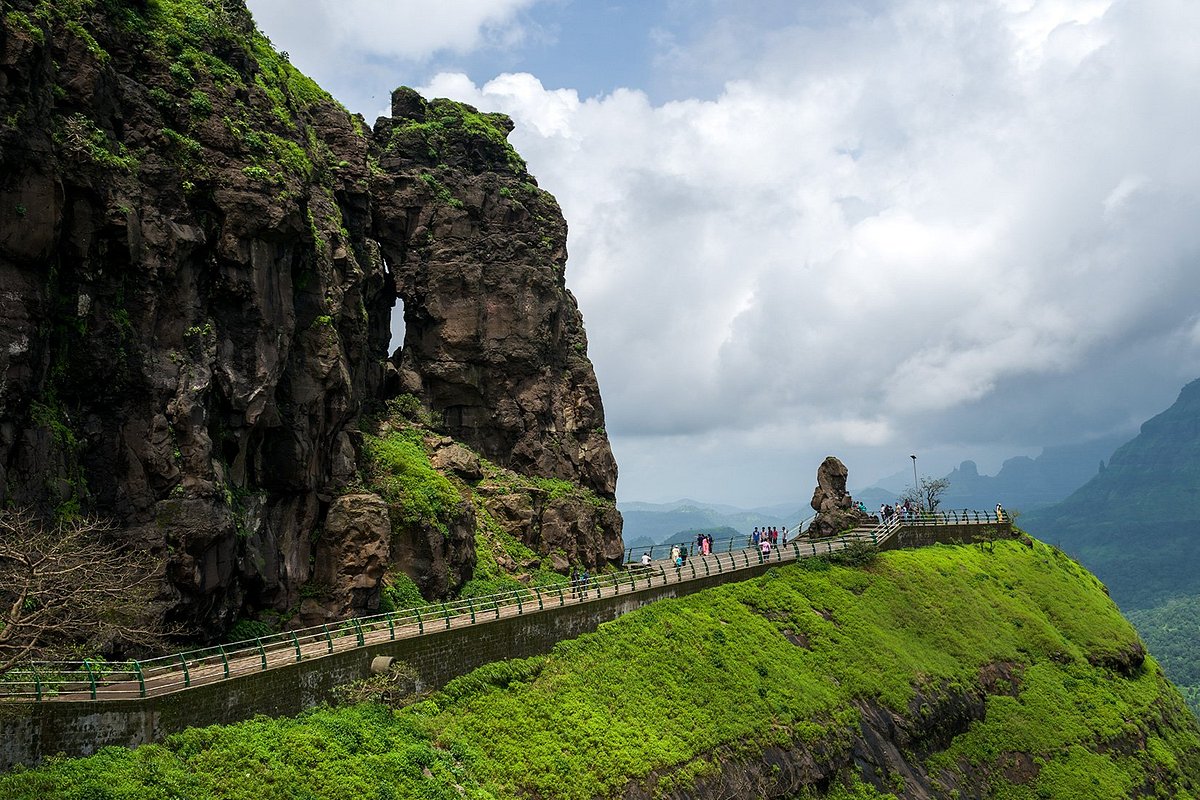
Environment Ministry reissued the 7th draft Western Ghats Eco-Sensitive Area (ESA) notification (in a decade), keeping July 2024 area, state-wise extent and regulatory provisions unchanged; objections invited for 60 days. Proposed ESA: 56,825.7 sq km across Karnataka (largest share), Maharashtra, Kerala, Tamil Nadu, Goa and Gujarat. Prohibits mining/quarrying/sand mining, new thermal plants, certain industries, large construction; regulates hydel and other projects; 2022 expert committee examines village-inclusion disputes (e.g., 13 Wayanad villages). Western Ghats are UNESCO World Heritage and biodiversity hotspot; Gadgil (2011) and Kasturirangan (2013) reports cited.

7th Draft Western Ghats Eco-Sensitive Area Notification
The HinduThe Hindu
Economy

Blue Economy in Southeast Asia

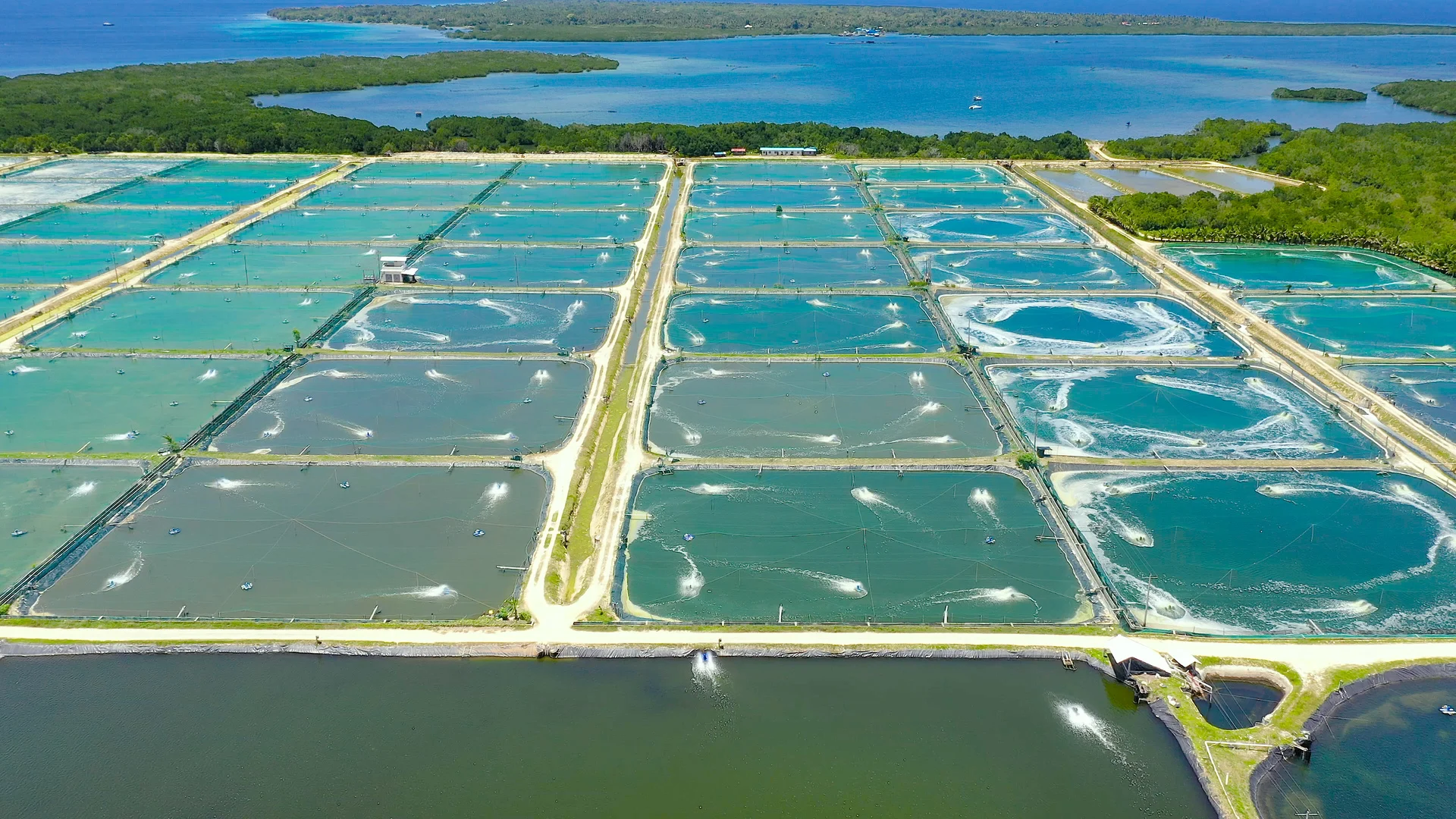
OECD reports Southeast Asia is the world’s 4th-largest economic bloc in 2024, but rising environmental damage and weak investment threaten the blue economy (sustainable use/protection of ocean, sea and coastal resources) across fisheries, aquaculture, shipping, tourism and conservation. Covered: Brunei, Cambodia, Indonesia, Laos, Malaysia, Myanmar, Philippines, Singapore, Thailand, Timor‑Leste, Vietnam. Pressures: overfishing, habitat loss, pollution; climate impacts (sea-level rise, storms, warming) harm mangroves, reefs, seagrass. Funding need: ~$2.1 trillion by 2030; OECD urges blended finance, stronger governance, ecosystem-based adaptation, coastal planning, and tools like blue bonds, debt-for-nature swaps, blue carbon markets, sustainability-linked loans, guarantees, parametric insurance.

Blue Economy in Southeast Asia
Down to EarthDown to Earth

31 July 2026

Environment

Nature Food Study

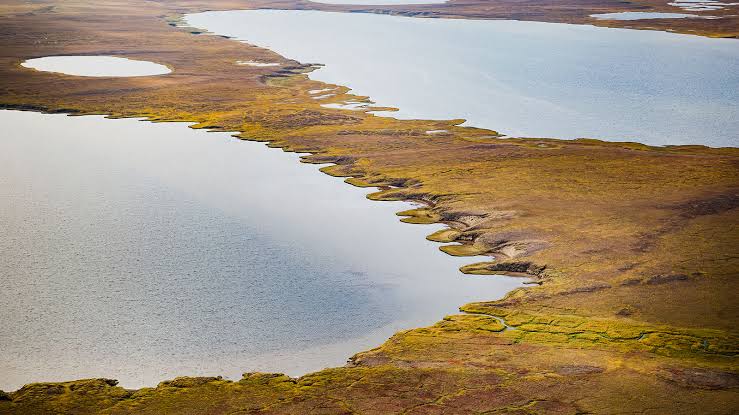
A Nature Food study estimates paddy-field GHG emissions have doubled since the 1960s. Global paddy fields emit ~1.1 billion tonnes CO2-e annually, a 90.4% rise from 1961–80; about half the increase is from soil organic carbon loss. Methane hotspots include India, especially eastern paddy fields; India’s irrigated paddies emit ~3.9 Mt methane/year (over Germany’s annual). Emissions may rise ~26% (2031–50). India has no agriculture-emission goals; improved irrigation, fertiliser optimisation, residue management and reduced tillage could cut global rice emissions ~10% by mid-century.

Nature Food Study
The HinduThe Hindu

Miscellaneous

AERONET-Based Study Classifies Seven Global Aerosol Types and Radiative Effects

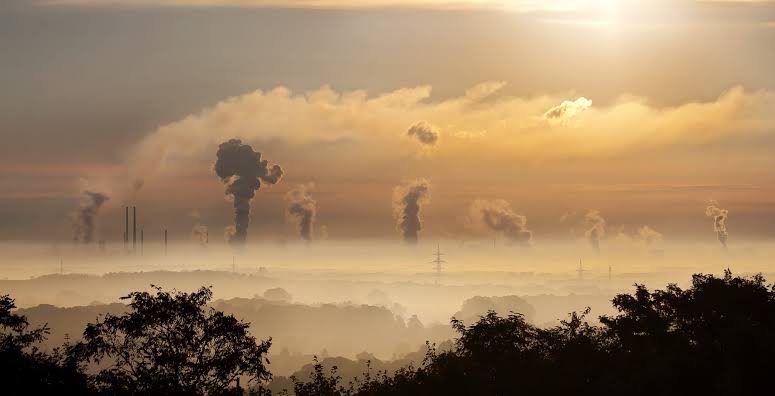
Using AEROsol Robotic NETwork (AERONET) ground-based sun-photometer data (established 1993 by NASA and PHOTONS, CNRS/University of Lille), researchers analysed 171 sites across six continents over 30+ years. Seven aerosol types were classified: PD, DDM, PDM, VWA, WA, MA, SA. SA shows highest atmospheric forcing; VWA lowest. South Asia’s DDM yields highest ARF/heating; North Africa PD; Europe/North America less-absorbing; tropics SA. Findings aid retrieval algorithms and pollution-impact assessment.

AERONET-Based Study Classifies Seven Global Aerosol Types and Radiative Effects
PIBPIB
Economy

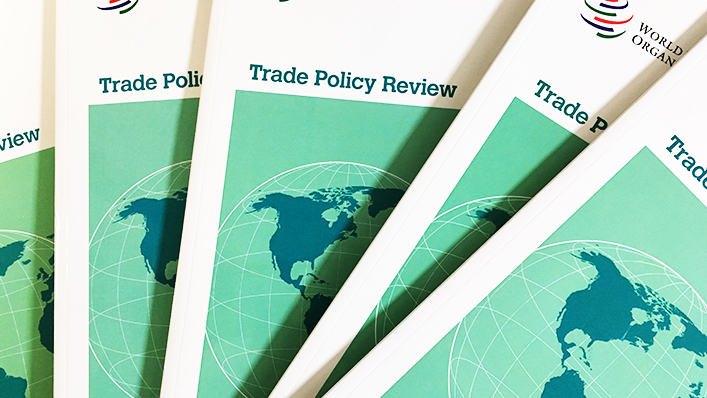
India’s 8th WTO Trade Policy Review in Geneva

India’s 8th Trade Policy Review (TPR) was held at the WTO in Geneva. A key WTO transparency mechanism, TPR enables peer review of members’ trade policies. For India, it is conducted every 5 years by the Trade Policy Review Body (all WTO members) and covers 1 January 2021–31 December 2025, based on India’s policy statement and a WTO Secretariat report. India’s combined goods-services exports rose from USD 676.5 billion (2021-22) to USD 863.1 billion (2025-26), a 6.3% increase, with focus on FTAs, GST rationalisation and digital initiatives like UPI.

India’s 8th WTO Trade Policy Review in Geneva
DD NewsDD News
International

U.S.-Saudi “123 Agreement” Signed

The U.S. and Saudi Arabia signed a “123 Agreement” package comprising a civil nuclear cooperation agreement and a bilateral nuclear safeguards agreement under the U.S. Atomic Energy Act, 1954. Reported as a 30-year multi-billion-dollar deal, it enables transfer of civil nuclear materials, technology and equipment and allows uranium enrichment on Saudi soil at a U.S.-built facility. It is tied to Saudi joining the Abraham Accords/normalising ties with Israel; includes exclusive U.S. company participation (e.g., Westinghouse). It reportedly excludes the “Gold Standard” safeguards and the IAEA Additional Protocol.

U.S.-Saudi “123 Agreement” Signed
Read moreRead more
Science & Technology

Zinc-Air Battery Chemistry Explained

Scientists at SASTRA Deemed University developed electrically rechargeable zinc-air batteries (ZABs) using a nanofluid electrolyte and waste-derived catalysts. ZABs (metal-air) generate electricity via zinc oxidation at anode and oxygen reduction at air cathode, often with an aqueous electrolyte; advantages include high theoretical energy density, abundant zinc and safer water-based chemistry. Silica and zinc oxide nanoparticles reduce corrosion and improve oxygen kinetics, avoiding costly inhibitors. Used water filters provide carbon components; old face masks yield carbon catalysts comparable to platinum.

Zinc-Air Battery Chemistry Explained
Read moreRead more
Governance

Television Ratings Policy, 2026

Ministry of Information & Broadcasting notified the Television Ratings Policy, 2026, replacing 2014 guidelines. It revises eligibility, measurement, auditing and compliance for TV rating services, lowering net worth criterion from ₹20 crore to ₹5 crore. It enables technology-neutral multi-platform measurement (including connected TVs and OTT-carried channels), expands metered homes from 50,000 to 80,000, mandates 3-yearly establishment surveys, excludes landing pages from viewership computation, requires annual independent audits, introduces graded penalties, and imposes no cap on registered rating agencies.

Television Ratings Policy, 2026
PIBPIB
Schemes

Cabinet Committee on Economic Affairs Clears BHAVYA-Rasayan Scheme

Cabinet Committee on Economic Affairs (headed by the Prime Minister) authorised the Bharat Audyogik Vikas Yojana Rasayan (BHAVYA-Rasayan) Scheme to set up three dedicated chemical parks via a challenge route, developed by states with Centre facilitation. Centre grant: up to ₹1,000 crore per park, subject to minimum ₹500 crore state contribution. Parks (greenfield/brownfield) will offer plug-and-play common utilities (CETP, TSDF, water, solvent recovery, steam, pipelines, logistics) to strengthen the value chain and improve environmental compliance.

Cabinet Committee on Economic Affairs Clears BHAVYA-Rasayan Scheme
Read moreRead more
Defence

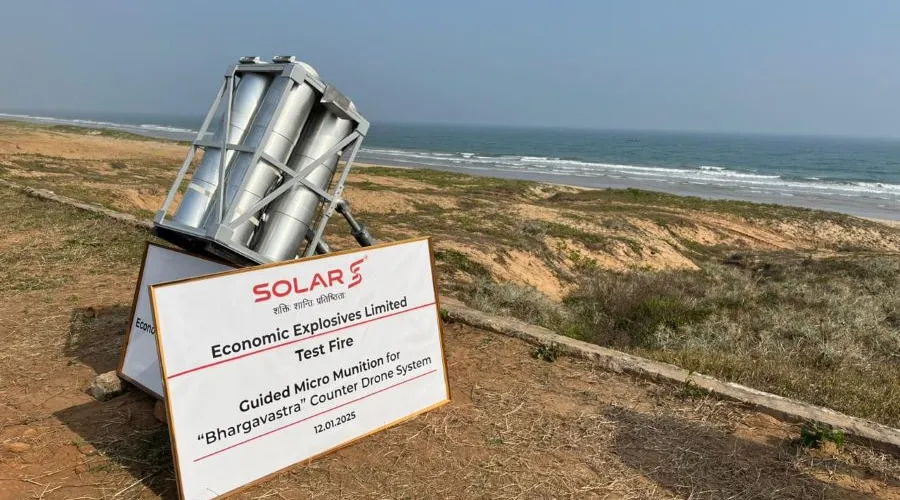
Indian Army Demonstrated Bhargavastra Indigenous Counter‑Swarm Drone System under Make‑II

The Indian Army received a demonstration of Bhargavastra, an indigenous counter-swarm drone system developed by Solar Defence and Aerospace Ltd. under the Make-II programme. It is a vehicle-mounted, network-linked architecture with C2 vehicle (radar), EO/IR sensors and passive RF detectors, plus launcher vehicle. It detects large UAVs up to 10 km and small drones up to 6 km, operates in deserts and >5,000 m terrain, and neutralises via unguided micro-rockets, guided micro-missiles (2.5 km) and electronic jamming, with EW resilience and integration with existing networks.

Indian Army Demonstrated Bhargavastra Indigenous Counter‑Swarm Drone System under Make‑II
Times of IndiaTimes of India
Reports

ICMM Report 2026

ICMM Report 2026 by the International Council on Mining and Metals finds nearly two-thirds of global mining and metals facilities face at least one significant physical water risk, based on >12,000 facilities across 148 countries/regions. It assesses floods, droughts, baseline water stress/depletion and interannual variability. Baseline water stress affects 38% and drought 27%. Hotspots include Chile, Peru, southern Africa, northern China, central India, western Australia and western US; flood exposure is high for alumina, aluminium, steel and molybdenum. ICMM (founded 2001) is CEO-led on sustainable development.

ICMM Report 2026
Down to EarthDown to Earth
Miscellaneous

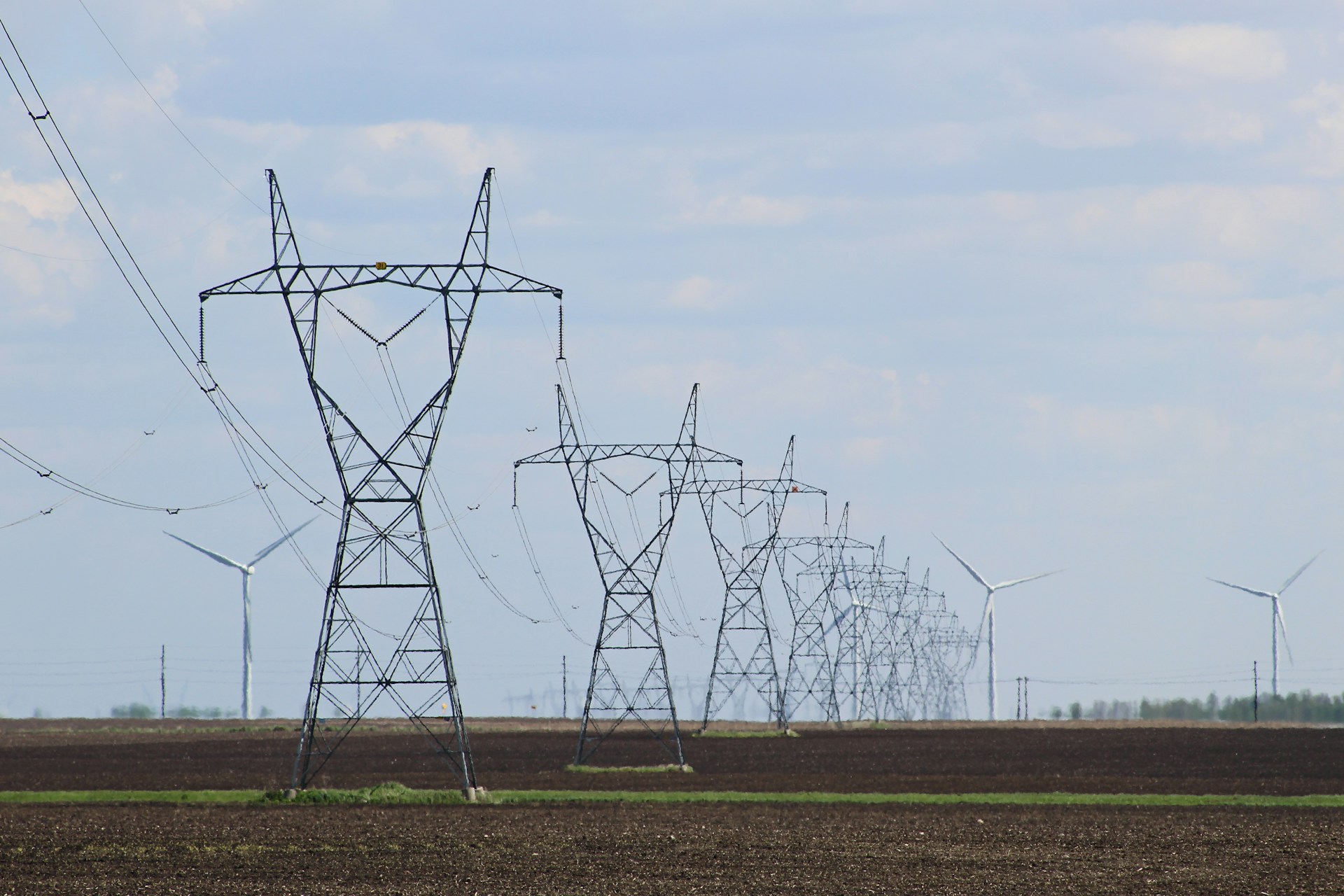
IEA Electricity Mid-Year Update 2026

IEA’s Electricity Mid-Year Update 2026 projects global electricity use rising from 28,600 TWh (2025) to 30,700 TWh (2027), driven by industry, EVs, cooling, appliances and data centres. Renewables are set to overtake coal in 2026; solar PV leads supply growth and will surpass wind. Gas-fired output stays broadly flat in 2026; nuclear rises in 2026-27 (new reactors in China/India; strong US/France). India demand rebounds 7% in 2026; crossed 100 GW variable renewables in July. IEA is Paris-based (1974), under OECD post-1973 oil crisis; 32 members and 13 association countries represent 75% energy demand; India became an IEA “Association” on 30 March 2017.

IEA Electricity Mid-Year Update 2026
Down to EarthDown to Earth

30 July 2026

International

UN General Assembly Adopts Declaration to Cut Road Traffic Deaths 50% by 2030

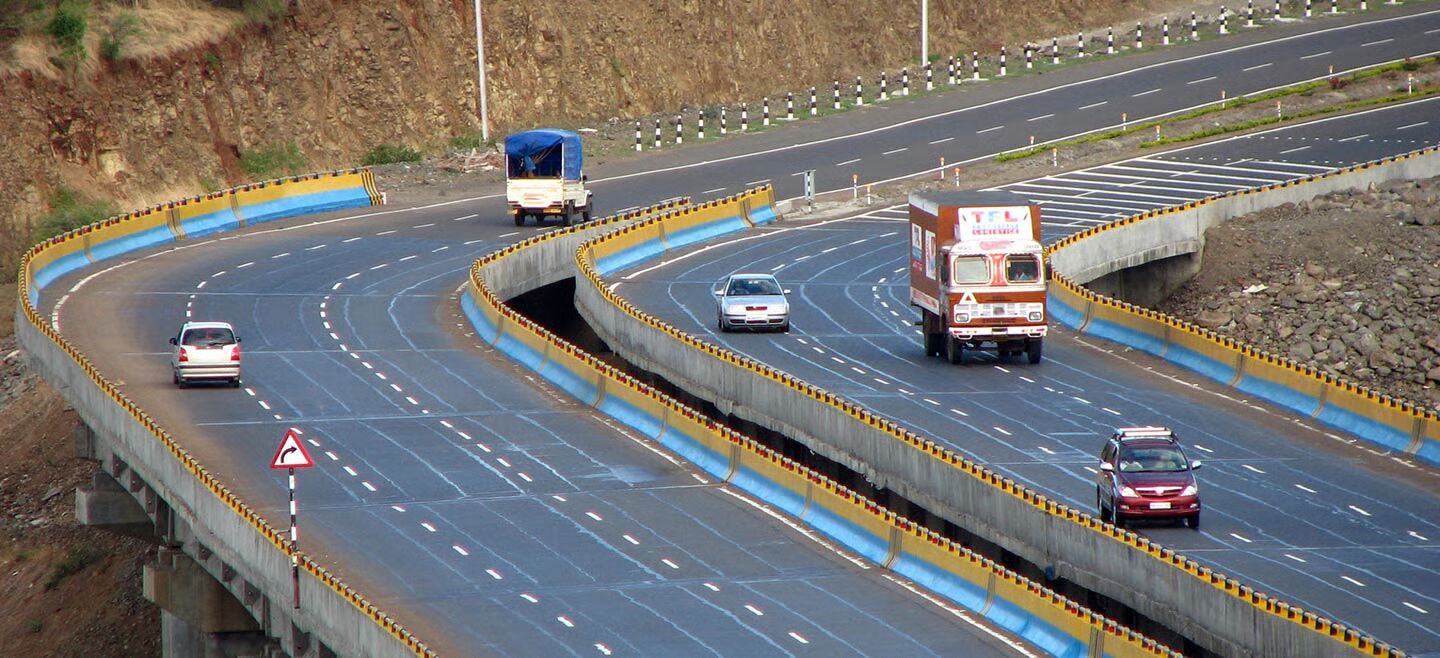
UN General Assembly adopted a Declaration on road safety to address the “Silent Pandemic” of road traffic crashes, reaffirming a target to cut road traffic deaths and injuries by at least 50% by 2030. It urges National Lead Road Safety Agencies, funded national strategies, safer speed limits, road/land-use design, traffic rules, signage and vehicle safety technologies, and inclusive public transport, integrating road safety with sustainable transport, urban planning and public health. Globally (2025): >1.1 million deaths, ~50 million injuries annually; leading cause of death for ages 5–29; ~90% fatalities in LMICs. India: >5.1 lakh crashes (+5.3%), >1.8 lakh deaths (502/day; +3.5%); Lakshadweep recorded zero fatalities for second consecutive year; measures include Motor Vehicles (Amendment) Act, 2019, PM RAHAT, Good Samaritan protection, audits and enforcement.

UN General Assembly Adopts Declaration to Cut Road Traffic Deaths 50% by 2030
Times of IndiaTimes of India
International

US-Saudi Arabia Sign 30-Year Civil Nuclear Cooperation Pact Under Section 123 Agreement

The United States and Saudi Arabia authorised a 30-year peaceful civil nuclear cooperation pact under a Section 123 Agreement of the US Atomic Energy Act, to take effect only if Saudi Arabia joins the US-brokered Abraham Accords. A Section 123 Agreement is a mandatory legal prerequisite for US transfer of nuclear materials, reactors, equipment, technology or fuel for civilian purposes; India has one signed in 2008.

US-Saudi Arabia Sign 30-Year Civil Nuclear Cooperation Pact Under Section 123 Agreement
Indian ExpressIndian Express
Defence

Undersea warfare focus

Navies are prioritising autonomous maritime systems for undersea warfare and multi-domain operations: UUVs, USVs and ship-launched UAVs. UUVs can be deployed/recovered via submarine torpedo tubes; USVs may carry vertical launch systems; UAVs enable ISR/targeting. Focus is protection of subsea cables/pipelines and secure second-strike deterrence. India commissioned INS Arihant and Arighat; pursues Project 75(I) AIP submarines and Project 77 indigenous SSNs; DRDO is developing AI-enabled AUVs and a Fibre Optic Sensing System for seabed mapping/submarine detection, alongside India–US ASW collaboration; recommendations include fast-tracking projects, creating a Seabed Warfare Command, integrating crewed-uncrewed platforms, deepening Quad/UDA co-development, and expanding P-8I and Sea Guardian surveillance at choke points.

Undersea warfare focus
Read moreRead more
Judiciary

Fast-Track Courts in India

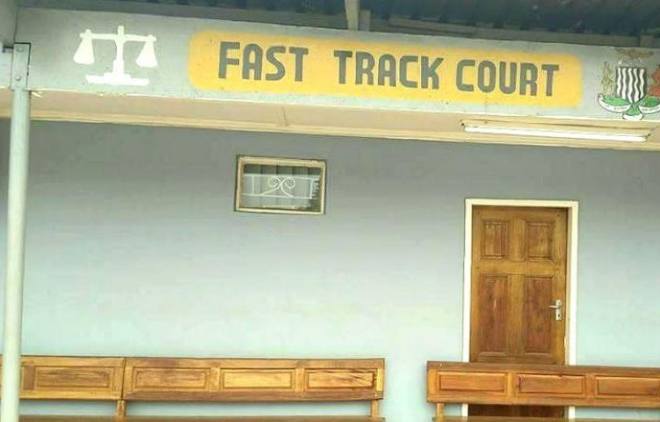
Prime Minister announced use of fast-track courts (FTCs) for speedy trials in exam paper leak cases. FTCs are special courts for quick disposal of specific case categories, created through government schemes and judicial/administrative decisions; there is no single central legislation for them. The 14th Finance Commission (2015–20) recommended 1,800 FTCs. In 2019, Centre launched the FTSC scheme for rape and POCSO cases, partly funded by the Nirbhaya Fund.

Fast-Track Courts in India
Indian ExpressIndian Express
Science & Technology

Azad Engineering Hyderabad Manufactures DRDO’s 350 kg-Class Turbojet Engine

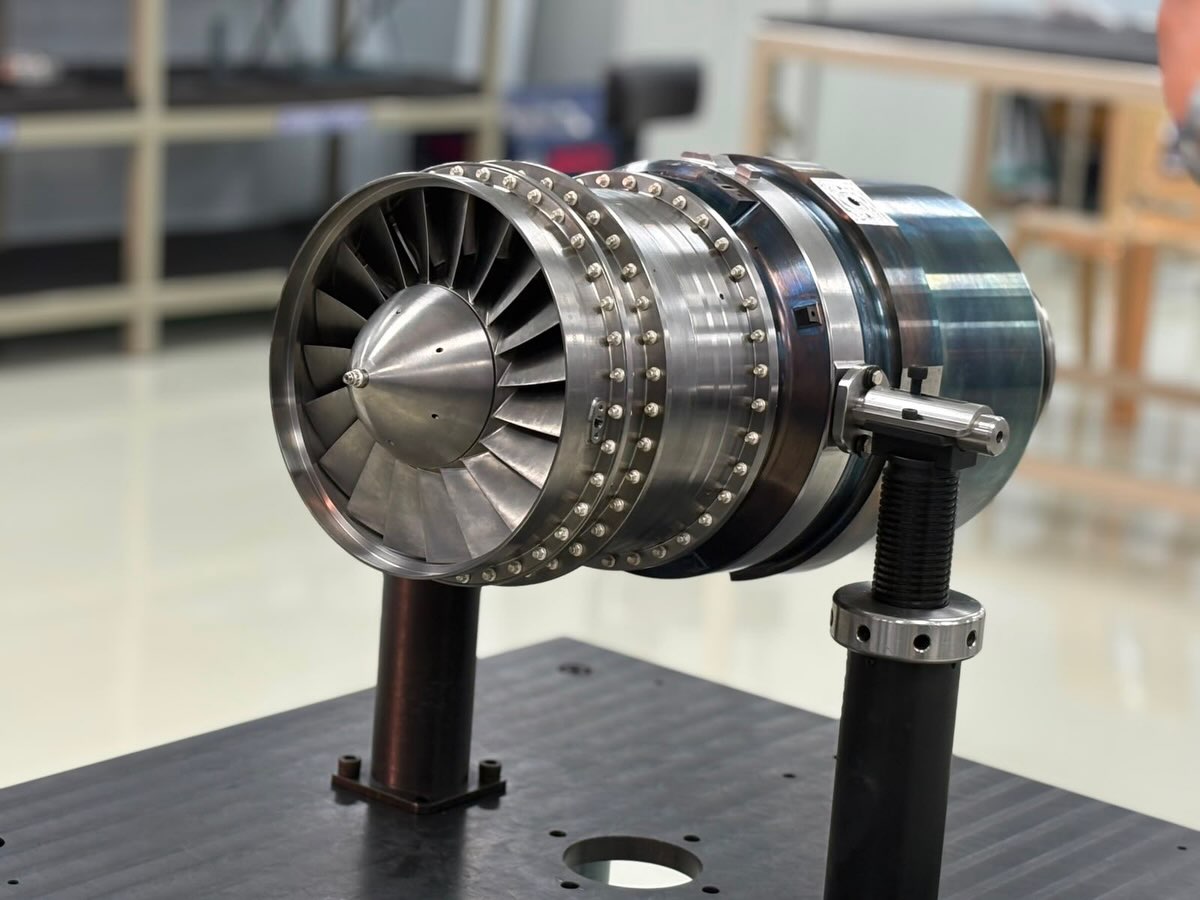
India developed its first indigenous expendable turbojet engine in the 350 kg thrust class. The engine was developed by DRDO’s Gas Turbine Research Establishment (GTRE) and manufactured by Azad Engineering, Hyderabad. It is intended to power cruise missiles, unmanned aerial vehicles (UAVs), drones and other turbojet-powered platforms, strengthening indigenous aerospace propulsion capabilities under Aatmanirbhar Bharat.

Azad Engineering Hyderabad Manufactures DRDO’s 350 kg-Class Turbojet Engine
Times of IndiaTimes of India
Defence

DRDO Conducts Maiden Flight-Test of ‘Kusha’ Long-Range SAM

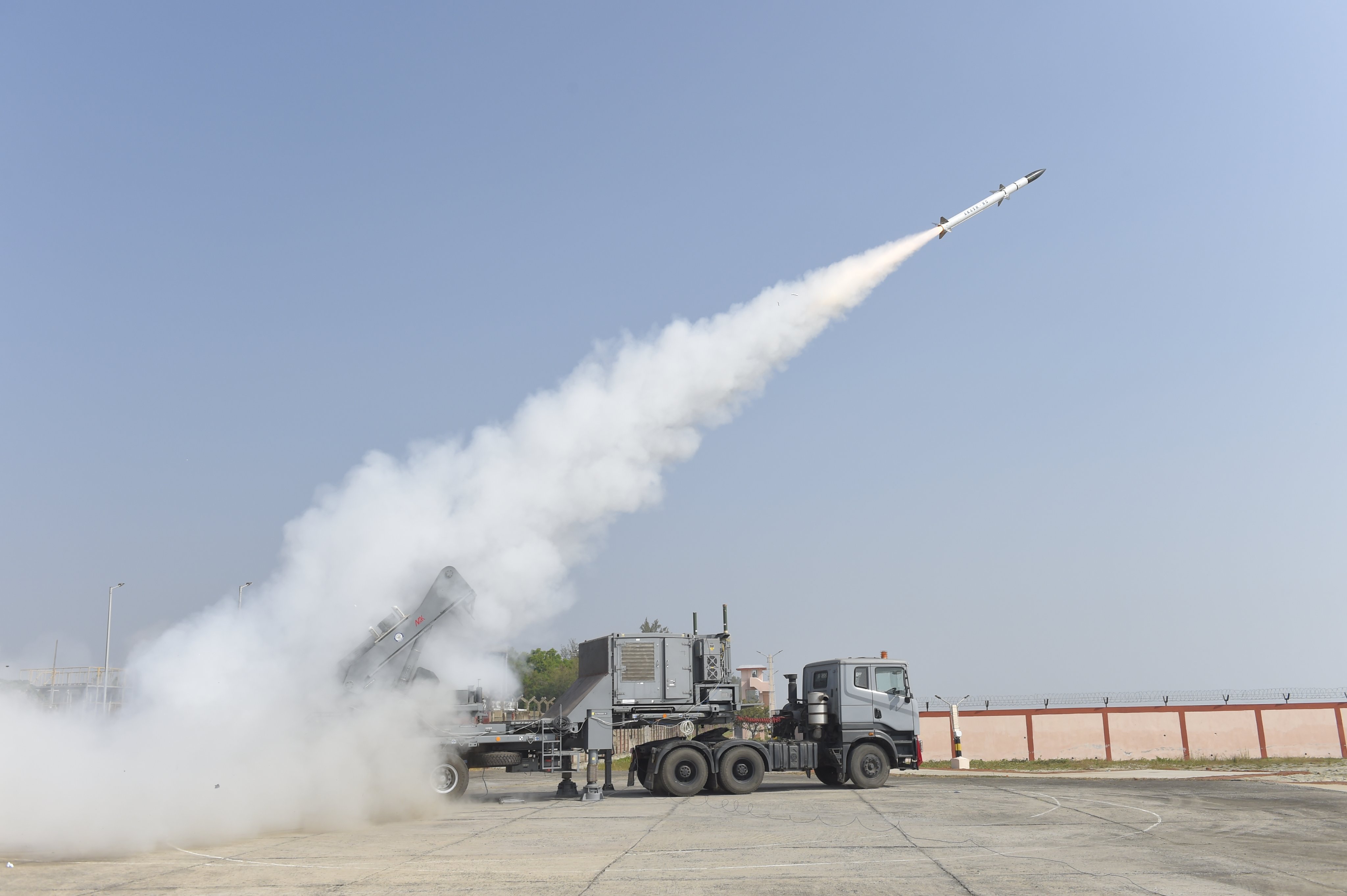
DRDO successfully conducted the maiden flight-test of the ‘Kusha’ long-range Surface-to-Air Missile (SAM) from APJ Abdul Kalam Island, Odisha, under Project Kusha. The indigenous system is designed to neutralise fighter jets, missiles, UAVs and large aircraft across a wide range and altitude envelope. It is a key element of the planned air defence umbrella ‘Sudarshan Chakra’, complements Russia’s S-400, and has interceptor variants of 150 km, 250 km and 350–400 km.

DRDO Conducts Maiden Flight-Test of ‘Kusha’ Long-Range SAM
PIBPIB
Organisations

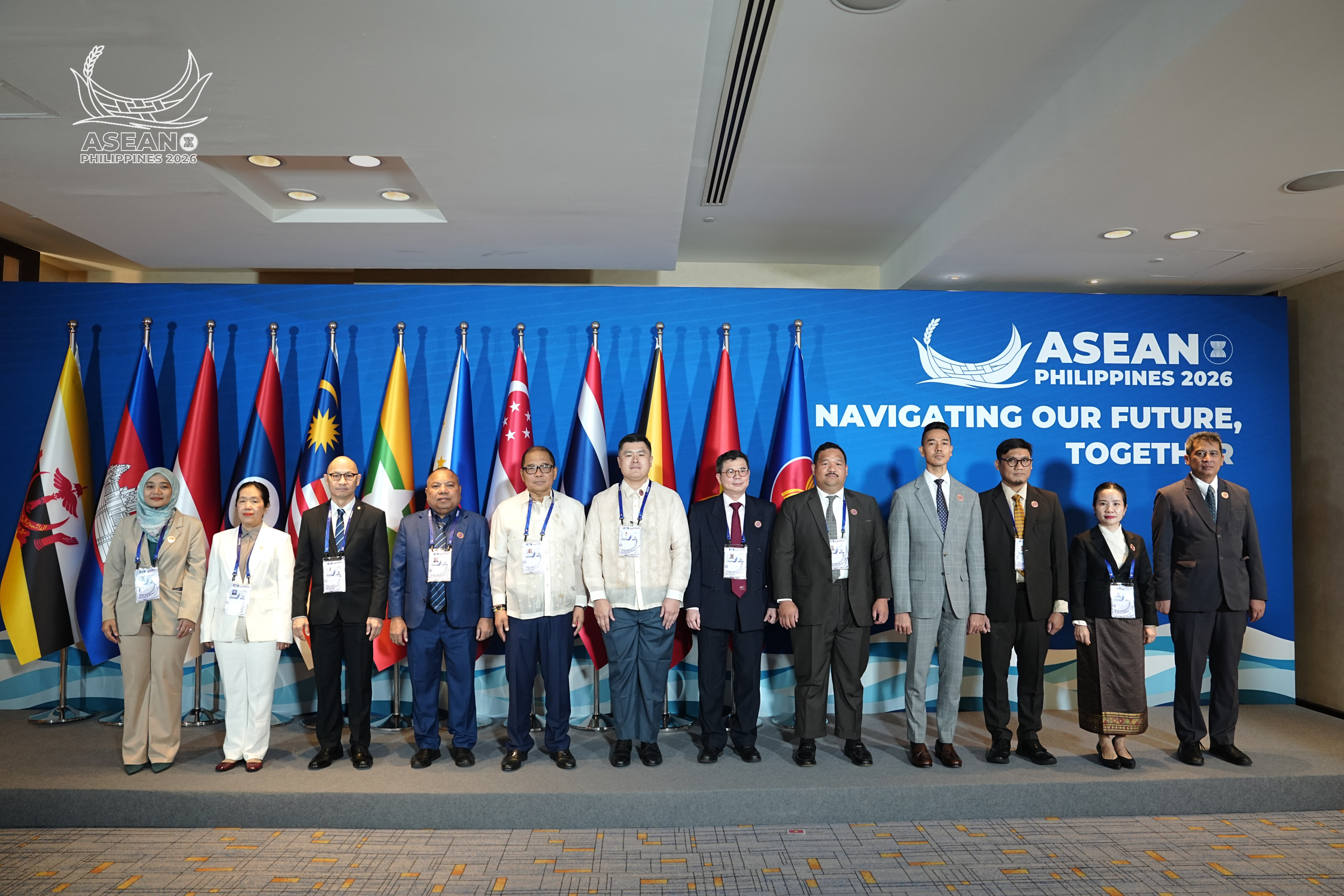
India at ASEAN Regional Forum and East Asia Summit meetings in Philippines

External Affairs Minister S. Jaishankar represented India at ASEAN Regional Forum (ARF) and East Asia Summit meetings in the Philippines, underscoring engagement in ASEAN-led political-security dialogues. ARF was agreed at the 26th ASEAN Ministerial Meeting (1993) and inaugurated in Bangkok on 25 July 1994. It promotes political-security dialogue, confidence-building and preventive diplomacy; operates by consensus, non-interference and incremental progress; has 27 participants; chaired by ASEAN Chair.

India at ASEAN Regional Forum and East Asia Summit meetings in Philippines
Hindustan TimesHindustan Times

29 July 2026

Environment

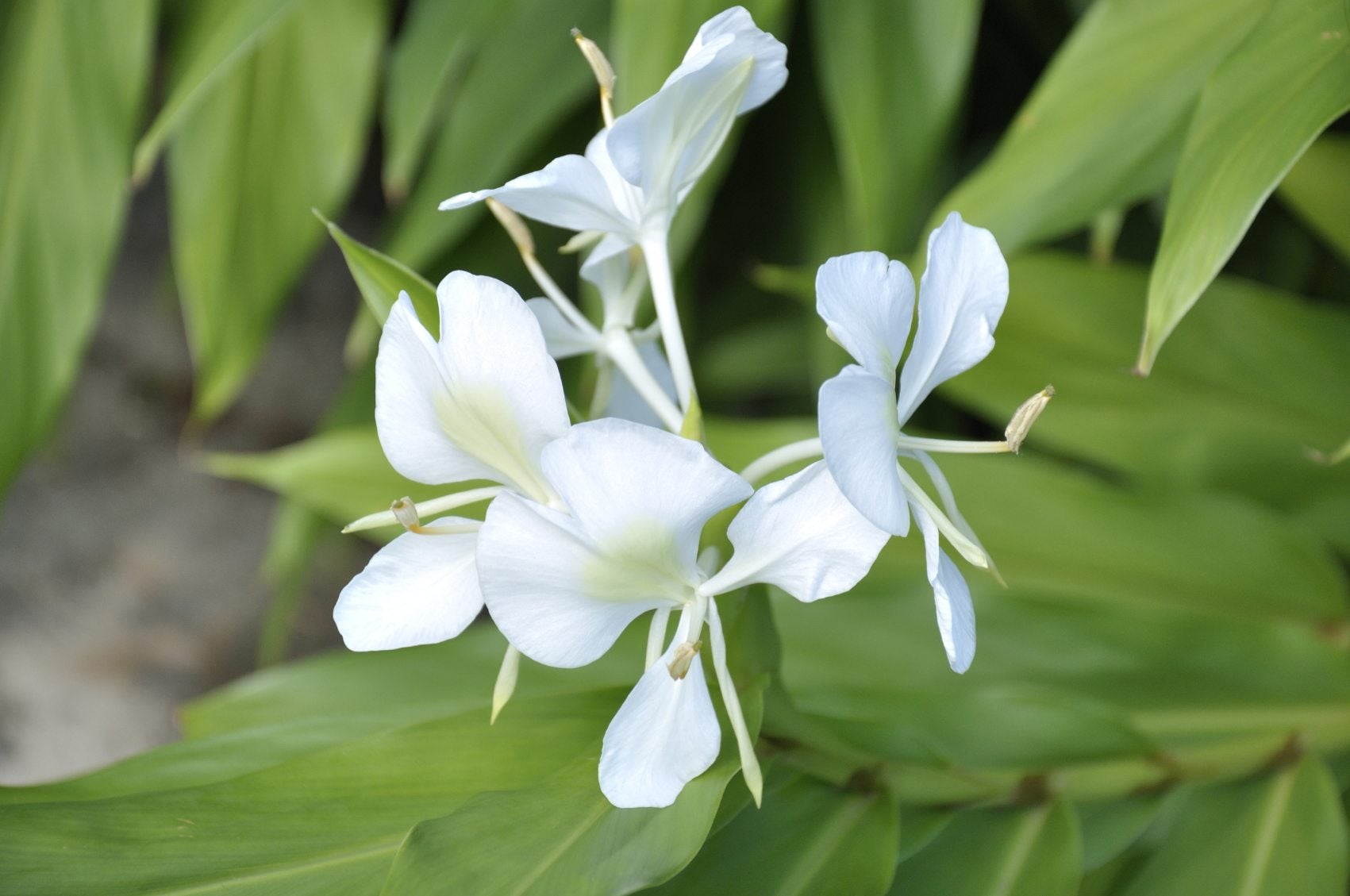
Botanists Describe New Ginger Lily Hedychium zubeengargianum from Shillong

Botanists have formally described a new ginger lily species, Hedychium zubeengargianum (family Zingiberaceae; genus Hedychium), discovered in Shillong. It was first identified in 2018 at the Botanical Survey of India’s garden, Shillong, and formally published on July 21, 2026. The fragrant, creamy-white wild ginger lily is named after Zubeen Garg. Another eponym, Osbeckia zubeengargiana, was named in 2026 from Manas National Park grasslands.

Botanists Describe New Ginger Lily Hedychium zubeengargianum from Shillong
Read moreRead more
Environment

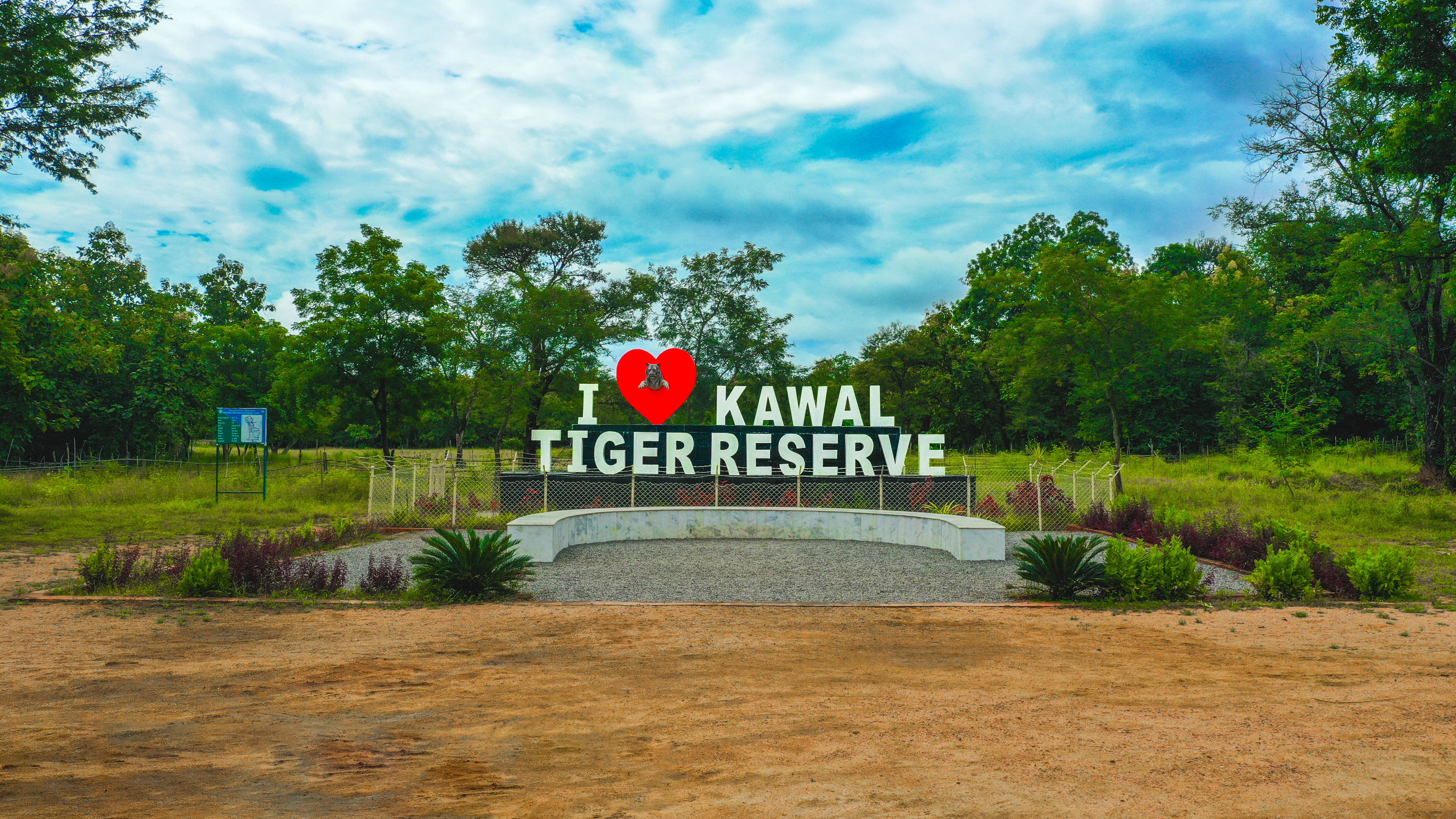
Telangana’s Kawal Tiger Reserve a Priority Recipient Site for Recovery

NTCA has designated Telangana’s Kawal Tiger Reserve as a “priority recipient site” for tiger recovery. Kawal, in the Godavari basin, is in Stage 1 (Habitat and Prey Recovery) and has no resident/self-sustaining breeding tiger population. Prey density is low (chital 3.9, nilgai 4.17, wild pig 3.5 per sq km). Fragmented corridors to Maharashtra’s Tadoba–Andhari hinder movement. Vision 2047 prioritises improved habitat, prey, connectivity and anti-poaching before translocation.

Telangana’s Kawal Tiger Reserve a Priority Recipient Site for Recovery
Times of IndiaTimes of India
Economy

Government Relaxes FDI Norms for Export-Focused E-Commerce Inventory Models

Government relaxed FDI norms for export-focused e-commerce inventory models, allowing foreign-backed platforms to hold their own inventory if goods are strictly exported from India, limited to domestically manufactured/produced products. Earlier policy permitted FDI only in B2B e-commerce and marketplace models without inventory, to protect small traders and uphold the ban on FDI in multi-brand retail. Restrictions continue for inventory-based domestic sales; change aims to boost exports and global market access, marking the first major shift in nearly a decade.

Government Relaxes FDI Norms for Export-Focused E-Commerce Inventory Models
The HinduThe Hindu
Environment

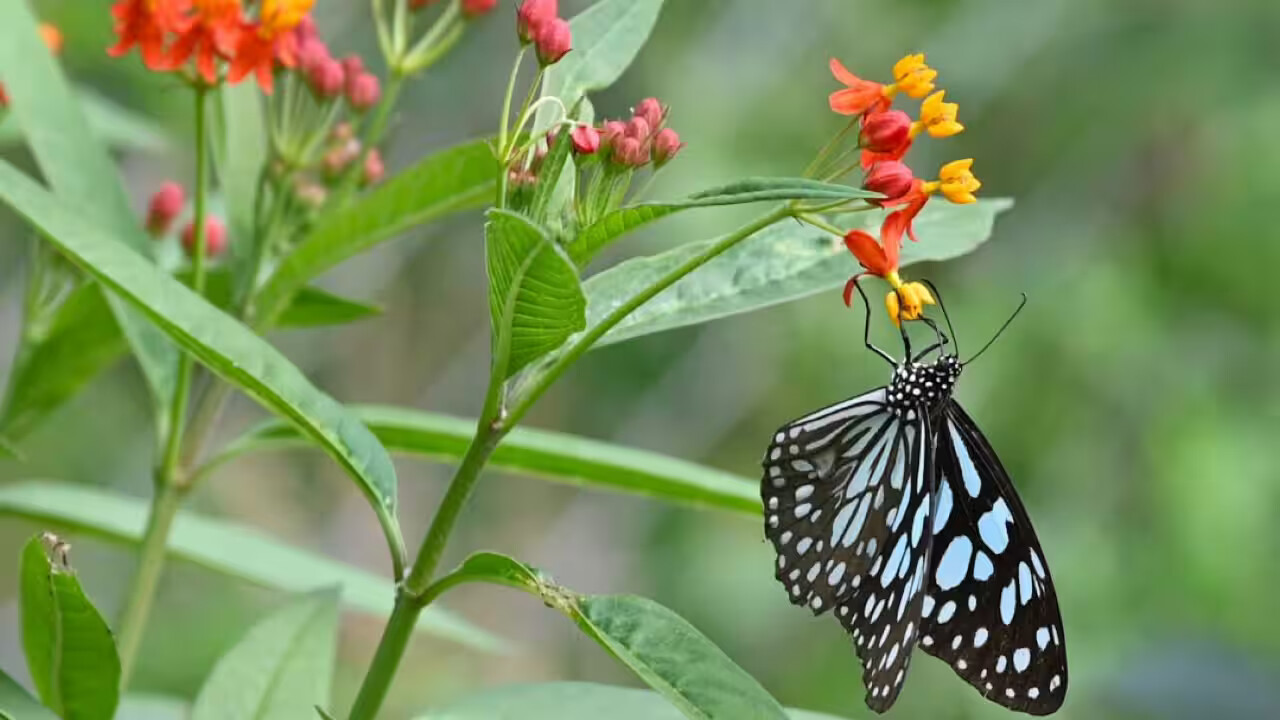
Invasive species also act as larval host plants for butterflies in Assam forests

Bodoland University scholars Bishal Basumatary and Mr. Choudhury studied Raimona National Park (Bodoland Territorial Region, Assam; 422 sq km) and found some invasive alien plants are major nectar sources and larval host plants for butterflies, especially in lean native-flower periods. They recorded 220 butterfly species, 56 larval host plants and 41 nectar plants; key invasives include Lantana camara (April–October; >30 species), Chromolaena odorata (December–February; 24) and Ziziphus mauritiana. The study advises controlled retention of small invasive patches and notes it is among India’s first urging restoration plans to consider pollinator benefits.

Invasive species also act as larval host plants for butterflies in Assam forests
The HinduThe Hindu
International

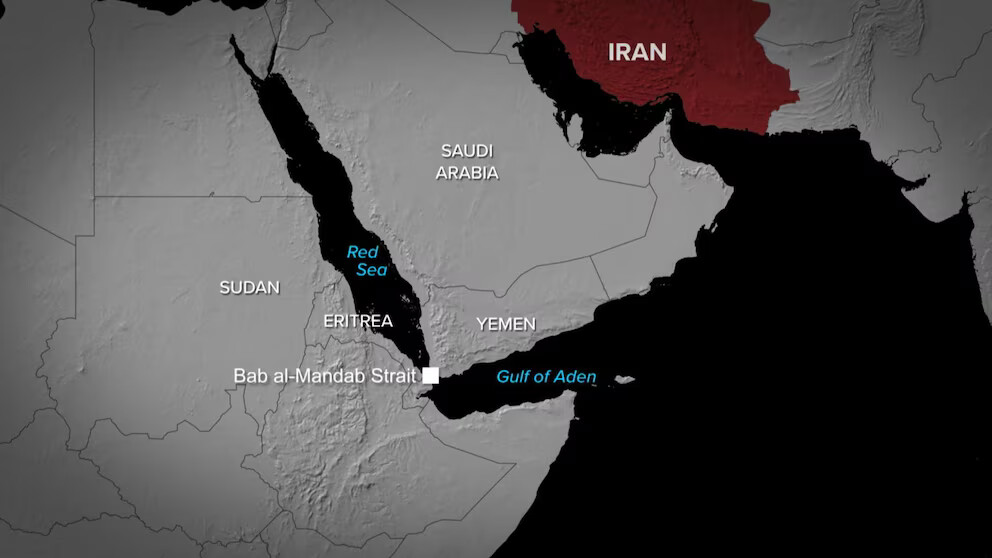
Yemen’s Houthi Militia Attacks Two Saudi Oil Tankers in the Red Sea

Yemen’s Iran-backed Houthi militia (Ansar Allah) attacked two Saudi oil tankers in the Red Sea, amid the US military’s 12th successive night of strikes and reports of Iran attacking Kuwait, Bahrain and Jordan. Bab el-Mandeb, at the southern tip of the Arabian Peninsula, carries ~12% of global trade. Saudi, producing 10 million bpd, uses the East-West Pipeline (Petroline) to Yanbu. A Saudi-led air/sea blockade began in 2015 after the 2014 seizure of Sanaa.

Yemen’s Houthi Militia Attacks Two Saudi Oil Tankers in the Red Sea
The HinduThe Hindu

Environment

InvenTree‑meta, India’s Largest Tree Inventory Meta‑dataset (1991–2023)

Researchers from the National Centre for Biological Sciences (NCBS) and partner institutions compiled InvenTree-meta, described as India’s largest meta-dataset of tree inventory studies. It harmonises 465 published studies (1991–2023) covering 4,650+ hectares across all major Indian biomes. Over 80% datasets remain non-public due to costs, weak incentives and publishing biases. Under-sampled regions include northern Western Ghats, Northeast, Western Himalayas and Nicobar; key gaps persist in Northeast and eastern India. Uses include carbon assessment, biodiversity monitoring, warming-response tracking and sustainable forest management.

InvenTree‑meta, India’s Largest Tree Inventory Meta‑dataset (1991–2023)
The HinduThe Hindu
Environment

Migratory Birds’ Annual Cycle

Migratory birds highlight the need to safeguard the entire annual cycle: breeding grounds, migratory stopovers and non-breeding habitats through transboundary cooperation across countries, habitats and seasons. Bobolink breeds in North American grasslands and winters in South America, threatened by grassland loss and pesticides. Newell’s shearwater breeds in Hawaii, threatened by artificial lights, power lines and introduced predators. Critically endangered spoon-billed sandpiper breeds in Russia’s Chukotka and depends on tidal mudflats en route to Southeast Asia. Key threats include habitat loss, pollution, infrastructure, predators and climate change; migrants also support pollination, pest control and nutrient cycling.

Migratory Birds’ Annual Cycle
Down to EarthDown to Earth

28 July 2026

Judiciary

Parliament to Table Judges (Inquiry) Act Report on Justice Yashwant Varma

In the Monsoon Session, Parliament is to be laid the Inquiry Committee report under the Judges (Inquiry) Act, 1968, on former Allahabad/Delhi High Court judge Yashwant Varma, after partially burnt currency notes were found (March 2025) at his official residence. He resigned in writing on April 9, 2026; under Union of India vs Gopal Chandra Misra (1978), judicial resignation needs no presidential acceptance. Report must be public; Section 6 links discussion to a removal motion, which resignation blocks.

Parliament to Table Judges (Inquiry) Act Report on Justice Yashwant Varma
The HinduThe Hindu
Schemes

PM-YASASVI Scheme

Minister of State for Social Justice and Empowerment informed the Lok Sabha on PM-YASASVI, an umbrella scheme for students from OBC, EBC and Denotified Tribes (DNT). It aims to reduce financial barriers and promote inclusive, equitable and quality education. Eligibility: family income up to ₹2.5 lakh per annum. Components: Pre-Matric, Post-Matric, Top Class Education in Schools, and Top Class Education in Colleges. Implemented by Department of Social Justice and Empowerment, Ministry of Social Justice and Empowerment.

PM-YASASVI Scheme
PIBPIB
Reports

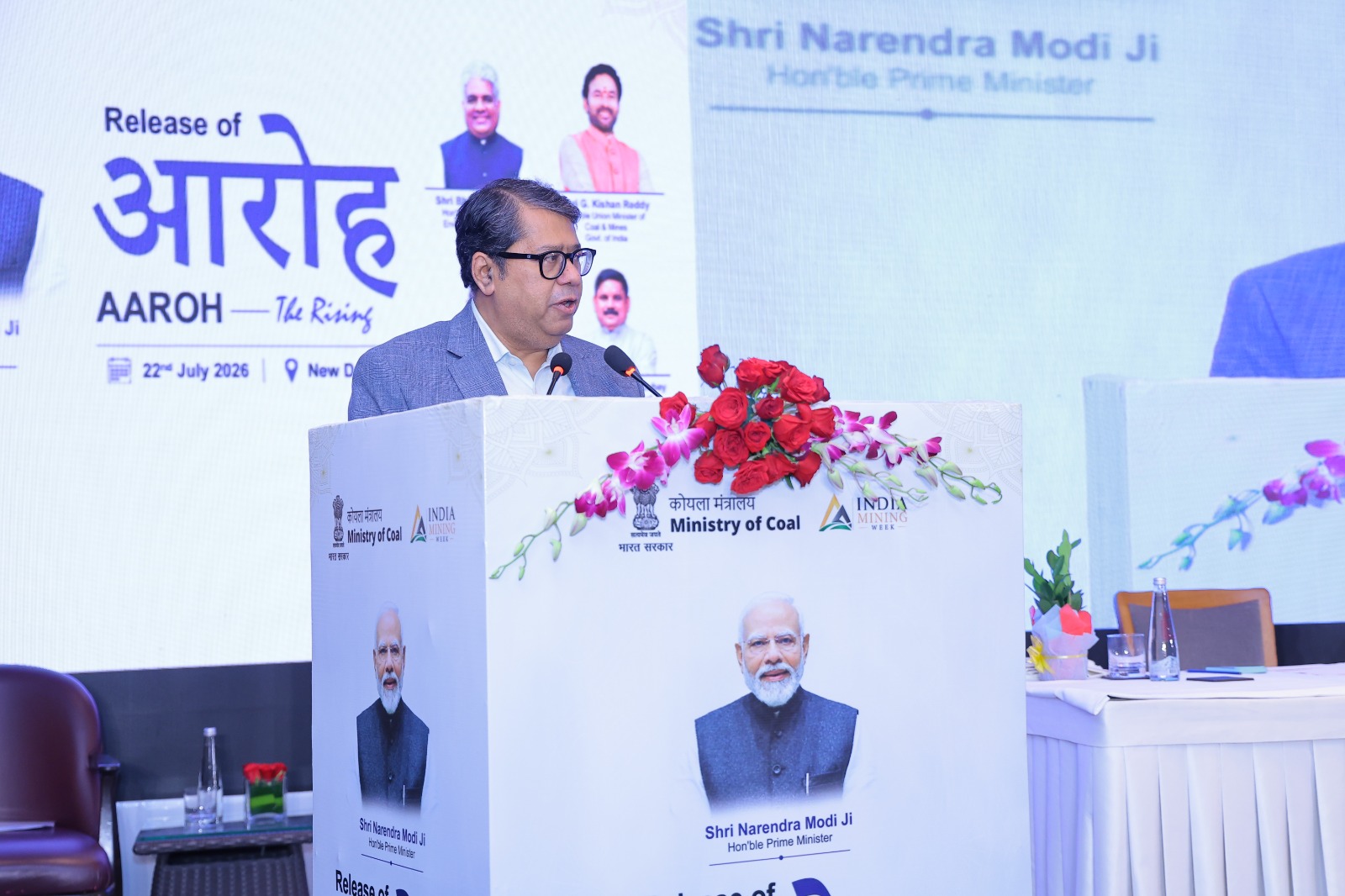
Ministry of Coal Releases ‘AAROH’ Annual Report on Mine Closure

Ministry of Coal released ‘AAROH: Annual Report on Mine Closure’ at The Oberoi, New Delhi. Prepared by the Coal Controller Organisation, it is India’s first comprehensive report on scientific mine closure and repurposing, covering 42 scientifically closed coal mines, with before-after visuals, QR-linked videos and post-mining land-use analysis. It highlights RECLAIM, L.I.V.E.S., SUVIKALP Tool/Samvaad, Mine Closure Guidelines 2025, GIZ implementation agreement, Coal NEER plants and tripartite MoUs for Jharia rehabilitation and skill development.

Ministry of Coal Releases ‘AAROH’ Annual Report on Mine Closure
PIBPIB
Environment

ICAR-NBFGR Identifies Two New Marine Species from Indian Waters

Scientists from ICAR–National Bureau of Fish Genetic Resources (NBFGR) identified two new marine species from Indian waters: Pachycheles ravichandrani (porcelain crab; genus Pachycheles, family Porcellanidae) from Agatti Island coral reefs, Lakshadweep, named after Dr M. Ravichandran; and Bascanichthys chepakakiensis (snake eel; genus Bascanichthys, family Ophichthidae) from Bay of Bengal near Kakinada, Andhra Pradesh, named from Telugu “chepa” and “kaki”. Morphology and mitochondrial DNA confirmed status.

ICAR-NBFGR Identifies Two New Marine Species from Indian Waters
Read moreRead more