|
Fiji Faces World’s Fastest-Growing HIV Outbreak
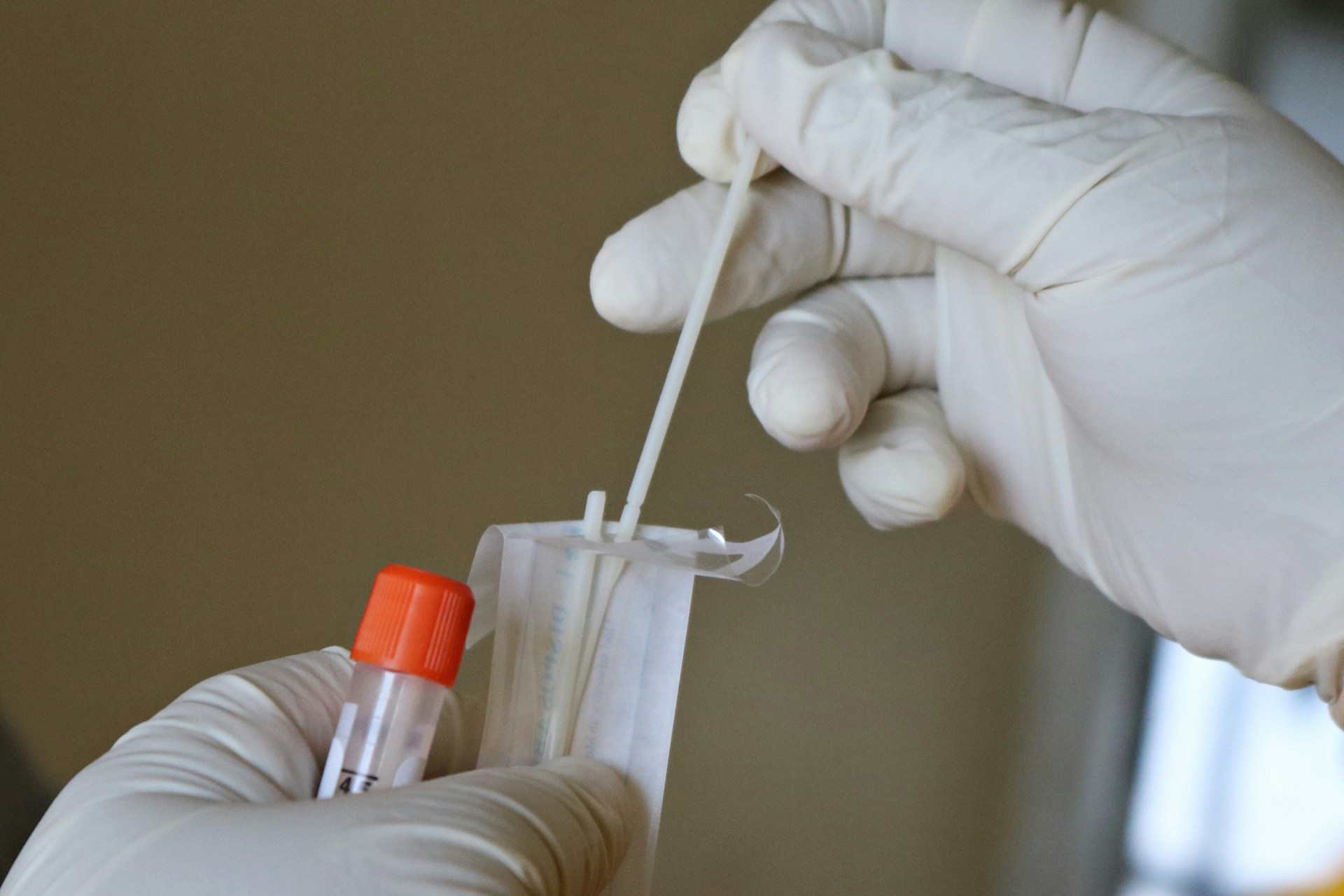
Fiji is confronting the world’s fastest-growing HIV outbreak, with adult HIV prevalence reaching 1.6%. Fiji declares an official outbreak in January 2025 and establishes a dedicated National HIV Outbreak Cluster Response Task Force. Australia pledges over US$10 million in direct aid, with technical and financial support from UNAIDS, WHO, and other international organizations.
Fiji HIV Outbreak:
| Dimension | Key Details |
|---|---|
| Prevalence rate | Adult HIV prevalence in Fiji reaches 1.6%, roughly 1 in every 60 adults. |
| Diagnosis and treatment status | Only 1/3 of people living with HIV in Fiji know their status, and only 1/4 are currently receiving treatment. |
| Projected trend | Annual new infections are projected to triple by 2030. |
| Impact on children | Approximately 1 child per week is born with HIV in Fiji, and 1 child dies every month due to AIDS-related complications. |
| Key drivers behind the outbreak | Key drivers comprise rising methamphetamine use with needle-sharing practices; disruptions to prevention and treatment funding with broader health system pressures; and social stigma and fear of discrimination discouraging testing and early treatment. |
| Prevention and treatment tools | Response tools comprise expanded availability of oral PrEP, and Fiji is in line to receive Lenacapavir, a long-acting injectable HIV prevention drug, through the Global Fund. |
| Regional implications | Due to travel, tourism, seasonal employment, and family networks connecting Fiji with Australia, New Zealand, and other Pacific island nations, the outbreak poses a broader regional health security challenge. |
| Regional call to action | Fiji is urging neighboring Pacific nations to step up with funding, technical assistance, capacity building, and regional health coordination. |