|
Mahanadi Water Disputes
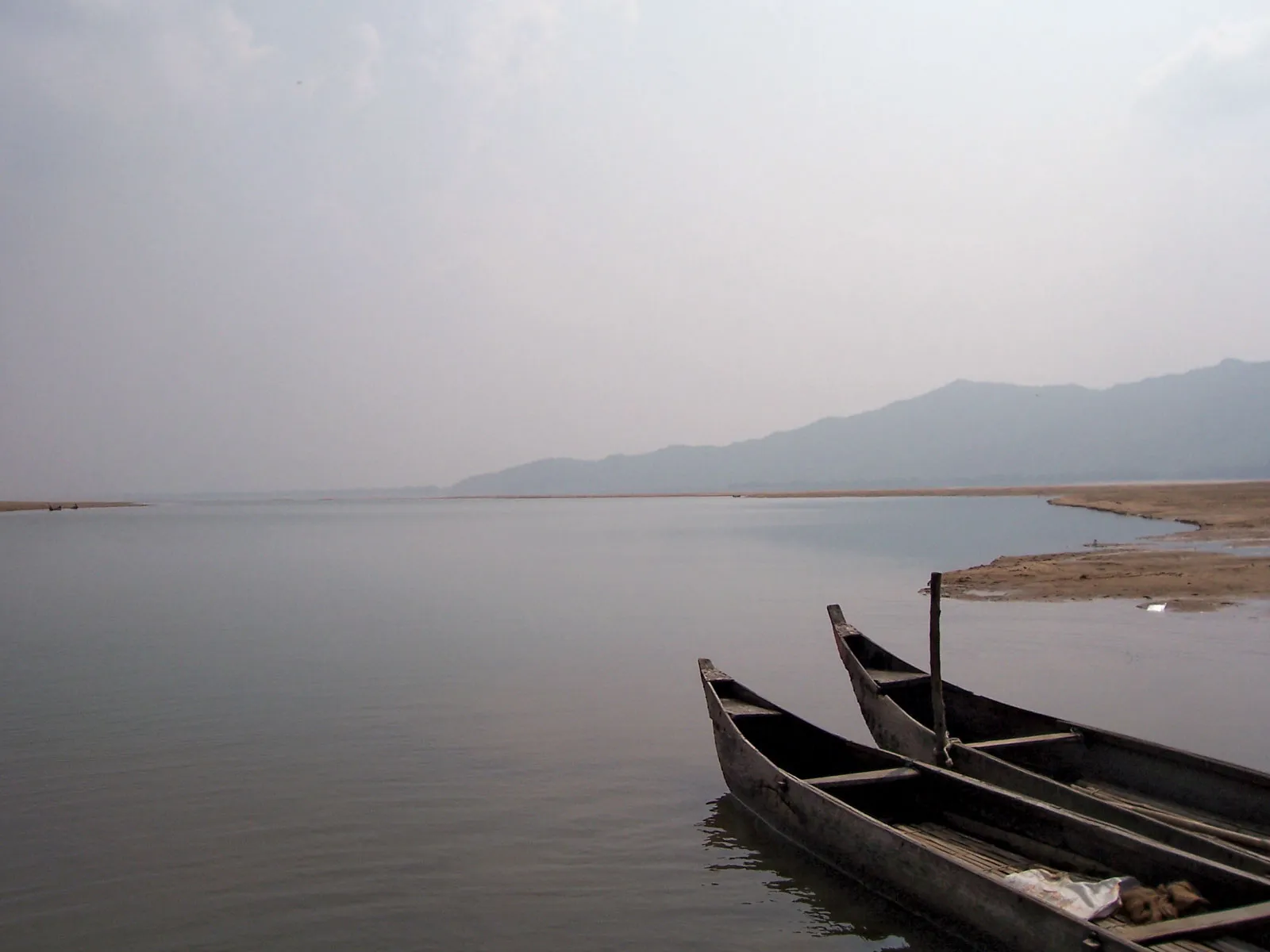
The Mahanadi Water Disputes Tribunal gives Odisha and Chhattisgarh a final opportunity to reach an amicable settlement. The continuing inter-state dispute over sharing of Mahanadi river water.
Mahanadi River Dispute:
| Dimension | Key Details |
|---|---|
| River Type | Mahanadi is the third largest east-flowing peninsular river of India after Godavari and Krishna. |
| Origin | Mahanadi originates in the Sihawa hills of Dhamtari district in Chhattisgarh. |
| Course | Mahanadi flows through Chhattisgarh and Odisha and drains into the Bay of Bengal. |
| Length | Mahanadi has a total course of approximately 851 km to 900 km. |
| Catchment Area | The catchment area of Mahanadi is 1,41,600 sq km, with 53.9% in Chhattisgarh and 45.73% in Odisha. |
| Other Catchment States | Small portions of the Mahanadi catchment lie in Madhya Pradesh, Maharashtra, and Jharkhand. |
| Major Tributaries | Major tributaries comprise Seonath, Hasdeo, Mand, Ib, Ong, Jonk, and Tel. |
| Longest Tributary | Seonath is the longest tributary of Mahanadi. |
| Key Dam | Hirakud Dam in Odisha is one of the longest earthen dams in the world. |
| Dispute | The dispute is a long-standing conflict since 2016 between Odisha and Chhattisgarh over sharing of Mahanadi river water. |
| Odisha’s Stand | Odisha argues that Chhattisgarh’s unilateral construction of at least 8 barrages reduces downstream flow and affects agriculture, fisheries, and power generation. |
| Chhattisgarh’s Stand | Chhattisgarh claims the right to utilise water as an upper riparian state with a larger catchment and alleges that Odisha initiated projects without consultation. |
| Riparian States | An upper riparian state is where the river originates or flows first, while a lower riparian state receives the river’s flow downstream. |
| 1983 Agreement | The 1983 Agreement between Odisha and undivided Madhya Pradesh provides for joint supervision according to Chhattisgarh. |
| Joint Control Board | Chhattisgarh has proposed a Joint Control Board, while Odisha has preferred the tribunal route. |
| Tribunal Formation | The Mahanadi Water Disputes Tribunal has been constituted in 2018 following Supreme Court directives. |
| Article 262 | Article 262 provides for adjudication of inter-state river disputes and authorises Parliament to set up tribunals under the 1956 Act. |
| Inter-State River Water Disputes Act | The Inter-State River Water Disputes Act, 1956 provides for separate tribunals for each dispute. |
| 2019 Amendment | The 2019 Amendment provides for a single standalone tribunal with multiple benches and strict timelines for awards. |
| Article 131 | Article 131 defines the Supreme Court’s exclusive original jurisdiction over legal disputes between the Government of India and States or between States. |