|
Rising Irritable Bowel Syndrome in Children
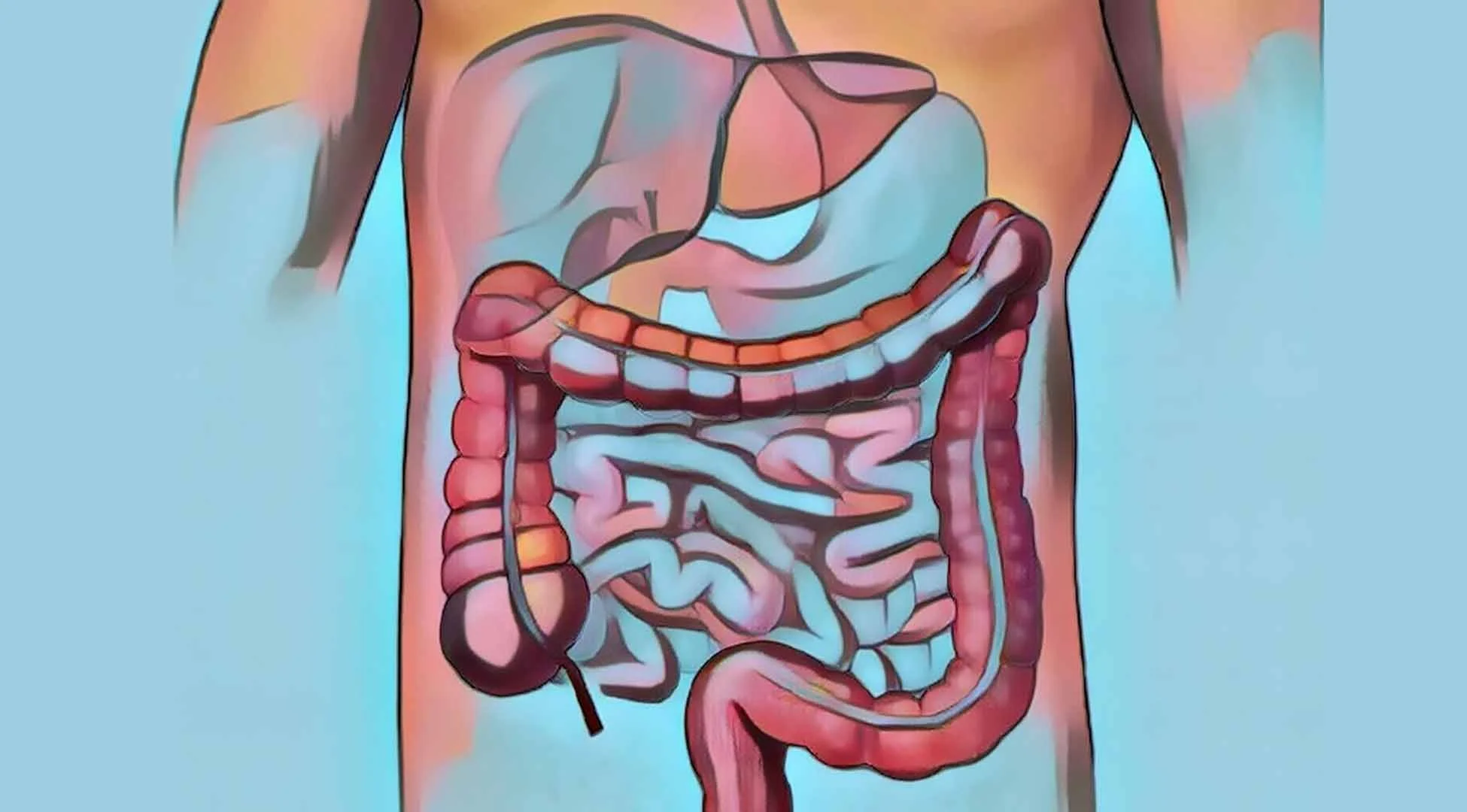
Recent studies highlight a rise in irritable bowel syndrome among children and adolescents. The condition is linked to gut-brain axis dysregulation and changing diet, lifestyle, and stress patterns.
Irritable Bowel Syndrome (IBS):
| Dimension | Key Details |
|---|---|
| Definition | Functional gastrointestinal disorder involving dysregulation of the gut-brain axis. |
| Prevalence in Children | Prevalence estimates ranging from 5% to 15% among children and adolescents. |
| Global Prevalence | Occurrence in 10% of the population worldwide. |
| India Risk Pattern | Women being 3 times more at risk in India. |
| Symptoms | Abdominal pain, diarrhoea, constipation, bloating, flatulence, nausea, and mucus in stools. |
| Childhood Risk Factors | Low-fibre diet, processed food intake, reduced physical activity, increased screen time, and stress. |
| Causes | Comprises gut-brain axis dysfunction, visceral hypersensitivity, motility issues, gut dysbiosis, post-infectious IBS, intestinal permeability, psychological stress, and genetics. |
| Gut Microbiota | Community of microorganisms including bacteria, viruses, fungi, and archaea in the gastrointestinal tract. |
| Types | Comprises IBS-C, IBS-D, IBS-M, and IBS-U. |
| Dietary Management | Low-FODMAP diet, fibre-rich foods, and avoidance of individual triggers. |
| FODMAP Diet | Provides for reduction of short-chain carbohydrates that are poorly absorbed and ferment in the colon. |
| Lifestyle Management | Bowel training, regular exercise, stress management, and counselling. |
| Supportive Management | Probiotics, relaxation techniques, and psychotherapy in stress-triggered cases. |