|
BRICS institutional framework
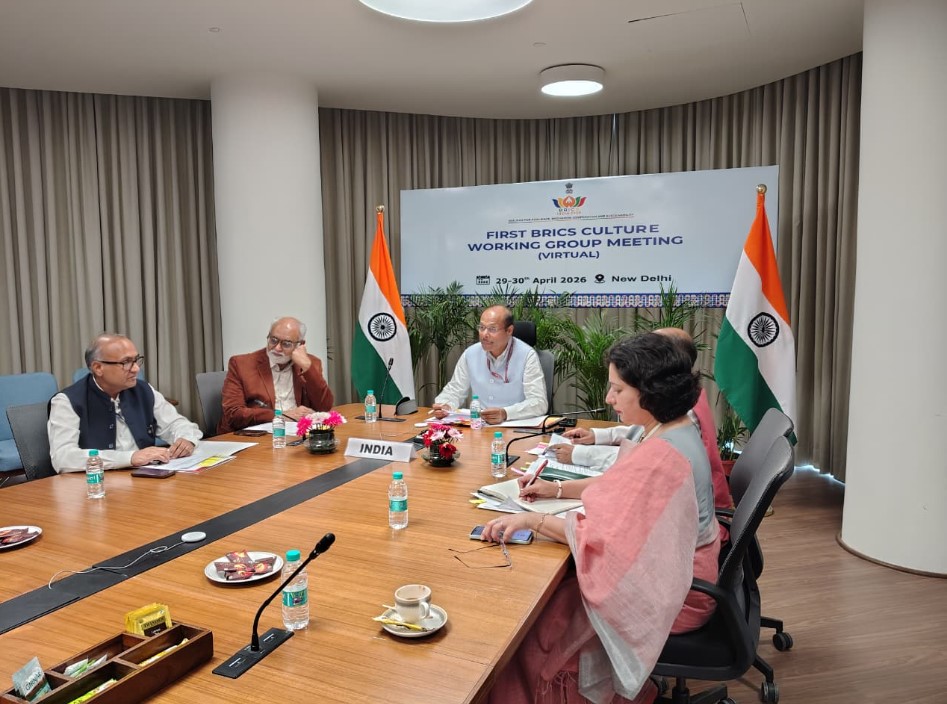
India, as Chair of BRICS in 2026, issues a Chair’s summary expressing deep concern over the ongoing conflict in West Asia. The development differing positions among BRICS members on geopolitical issues.
BRICS:
| Dimension | Key Details |
|---|---|
| Nature | BRICS is an intergovernmental organisation for economic, political, and strategic cooperation among emerging economies. |
| Original Members | BRICS comprises Brazil, Russia, India, China, and South Africa. |
| Coined By | The term BRIC has been coined by Jim O’Neill of Goldman Sachs in 2001. |
| Formalisation | The first BRIC Foreign Ministers’ meeting has been held on the sidelines of the United Nations General Assembly in New York in 2006. |
| Expansion | BRIC became BRICS when South Africa joined in 2010. |
| Full Members | Full members comprise Brazil, Russia, India, China, South Africa, Egypt, Ethiopia, Iran, Saudi Arabia, UAE, and Indonesia. |
| Partner Countries | Partner countries comprise Belarus, Bolivia, Cuba, Kazakhstan, Malaysia, Nigeria, Thailand, Uganda, Uzbekistan, and Vietnam. |
| Chairmanship | The BRICS chairmanship rotates annually from January 1 to December 31 among member countries. |
| Chair Responsibilities | The chair country sets annual themes, hosts the BRICS summit, and coordinates meetings across major cooperation pillars. |
| Core Pillars | Core pillars comprise political and security cooperation, economic and financial cooperation, and cultural and people-to-people exchanges. |
| New Development Bank | The New Development Bank has been established at the Fortaleza Summit in 2014 and is headquartered in Shanghai. |
| Contingent Reserve Arrangement | The Contingent Reserve Arrangement provides short-term liquidity support during balance of payments crises through currency swaps. |
| Secretariat | BRICS has no permanent secretariat or formal charter and operates through annual rotating chairmanship. |
| Global Role | BRICS provides for counterbalance to Western institutions, multilateral reform, de-dollarisation, political and security cooperation, and South-South cooperation. |
| Global Share | BRICS represents 49.5% of the world’s population, 40% of global GDP, and 26% of world trade. |
| G7 | G7 comprises Canada, France, Germany, Italy, Japan, the United Kingdom, and the United States. |