|
West Nile Fever Explained
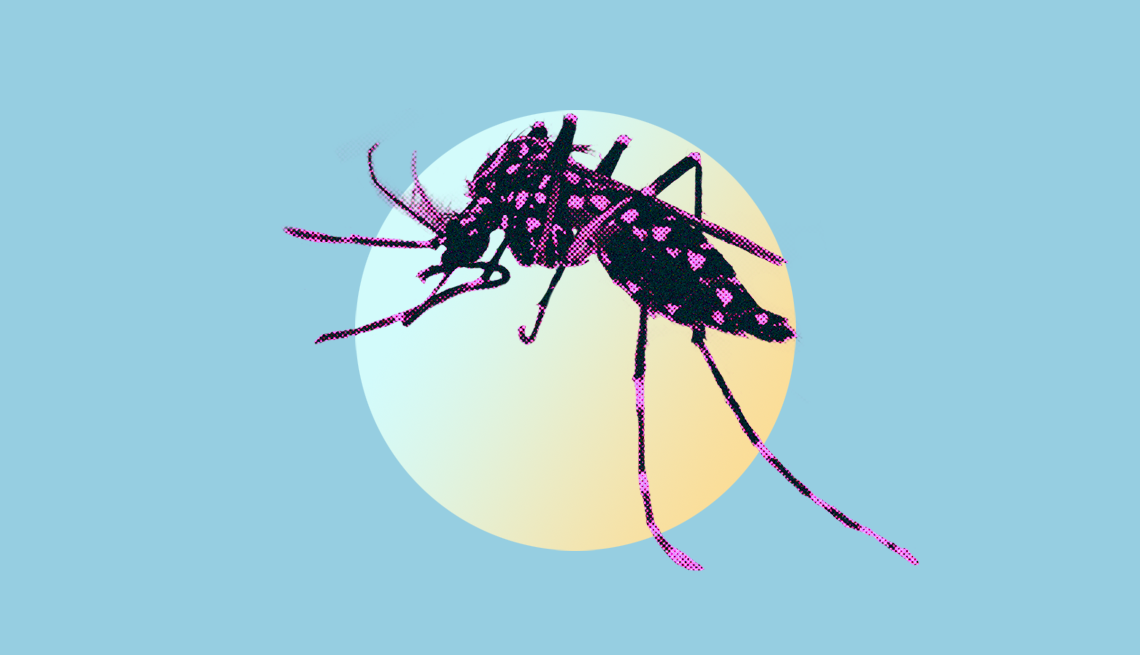
Health authorities sound caution following suspected cases of West Nile fever in Ernakulam. The issue is currently relevant due to the mosquito-borne viral infection risk.
West Nile Fever:
| Dimension | Key Details |
|---|---|
| Disease | West Nile fever is a mosquito-borne viral infection caused by West Nile Virus. |
| Global Spread | The disease is found in Africa, Europe, the Middle East, North America, and Asia, and has been first identified in Uganda in 1937. |
| Transmission | West Nile Virus is a flavivirus primarily transmitted by Culex mosquitoes. |
| Hosts | Birds are the natural hosts, while humans and horses are dead-end hosts. |
| Symptoms | Approximately 80% of infected individuals are asymptomatic, 20% experience mild symptoms, and less than 1% develop severe neuroinvasive disease. |
| Mild Infection | Mild infection symptoms comprise fever, severe headache, body aches, joint pain, vomiting, diarrhoea, and rash. |
| Severe Infection | Severe infection may include meningitis, encephalitis, or acute flaccid paralysis. |
| Risk Groups | People over 50 and immunocompromised individuals are at higher risk of severe illness. |
| Duration | Mild symptoms typically last a few days, while recovery from fatigue and weakness can last several weeks or months. |
| Diagnosis | Diagnosis includes IgM antibody ELISA, PCR for viral RNA, virus isolation, and samples such as blood or cerebrospinal fluid. |
| Treatment | There is no specific antiviral treatment or vaccine available for humans, while a vaccine is available for horses. |
| Supportive Care | Supportive care comprises hospitalisation, IV fluids, respiratory support, pain relief, and prevention of secondary infections. |
| Prevention | Prevention measures comprise mosquito repellent containing DEET or picaridin, long-sleeved shirts and long pants, and removal of standing water around homes. |