|
Scientific studies map mosquito attraction cues
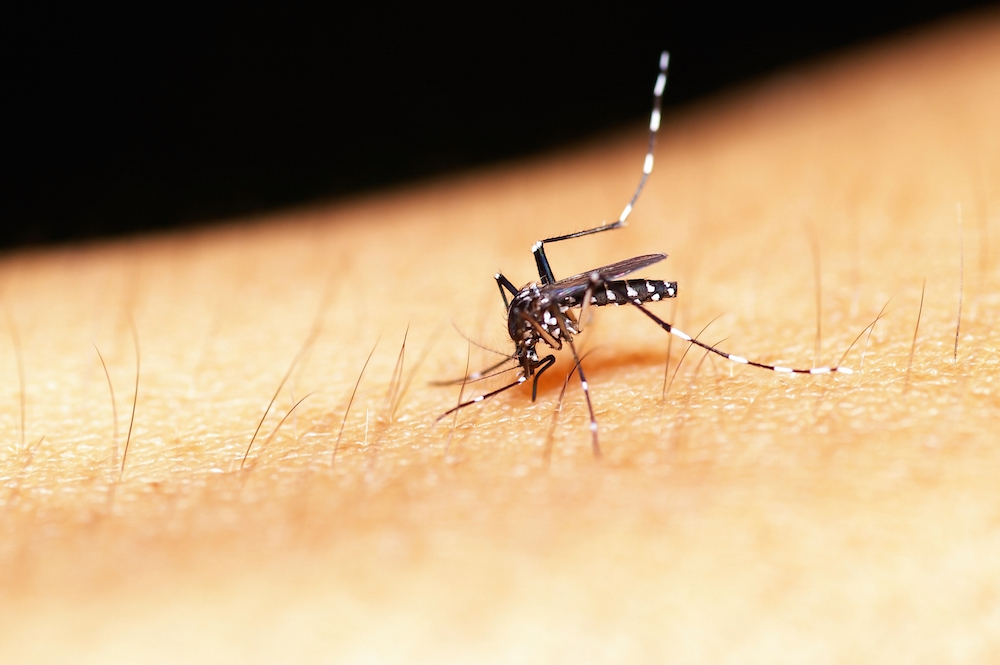
Recent scientific research identifies chemical and sensory cues that make some individuals more attractive to mosquitoes. The findings are currently relevant for controlling vector-borne diseases such as malaria, dengue, and Zika.
Mosquito Attraction and Vector-Borne Diseases:
| Dimension | Key Details |
|---|---|
| Mechanism of Attraction | Mosquitoes rely on carbon dioxide, heat, and odour to identify human targets. |
| Female Mosquitoes | Only female mosquitoes bite because they require protein in blood to produce eggs. |
| Carbon Dioxide | Carbon dioxide exhaled by humans acts as a long-range attractant for mosquitoes. |
| Heat | Body temperature helps mosquitoes pinpoint the target once they are close. |
| Odour | Odour depends on chemical cues produced by molecules present on the skin. |
| Skin Microbiota | Skin microbiota produce odorous compounds by breaking down skin oils. |
| Sebum Breakdown | Aedes aegypti attraction is linked to compounds produced from sebum breakdown. |
| Blood Type Myth | There is no scientific basis for the belief that mosquitoes prefer specific blood types. |
| Alcohol Consumption | Beer consumption within 24 hours makes volunteers 1.35 times more attractive to Anopheles mosquitoes. |
| Beer Linkage | Beer consumption increases body temperature, raises exhaled carbon dioxide, and alters skin odour through sweat. |
| Aedes | Aedes mosquitoes spread dengue, chikungunya, Zika, and yellow fever. |
| Anopheles | Anopheles mosquitoes spread malaria. |
| Culex | Culex mosquitoes spread Japanese encephalitis and lymphatic filariasis. |