|
Global Insect Species Using DNA Barcoding
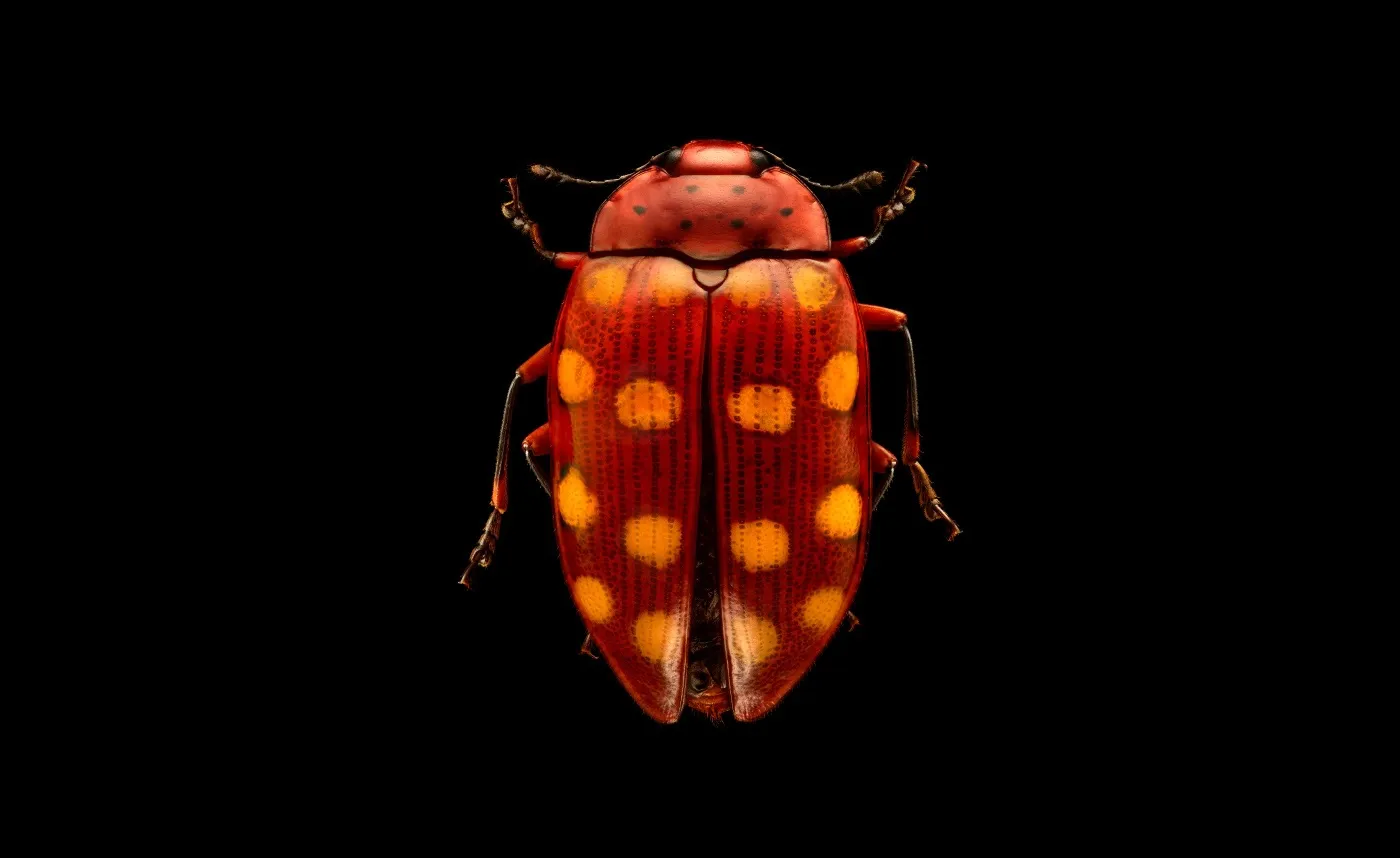
A recent ecological study published in the Proceedings of the National Academy of Sciences (PNAS) reports DNA barcoding-based estimates of global insect diversity from sampling in the Area de Conservacion Guanacaste (ACG). The study states that over 90% of global insect biodiversity remains entirely unknown and uses Malaise traps and caterpillar-breeding to catalog insect species, including Microgastrinae parasitoid wasps.
DNA Barcoding-Based Global Insect Species Estimation (PNAS Study, ACG):
| Dimension | Key Details |
|---|---|
| Publication | The ecological study has been published in the Proceedings of the National Academy of Sciences (PNAS). |
| Key finding on unknown biodiversity | Unknown global insect biodiversity comprises over 90% of total global insect biodiversity. |
| Focal insect group | The research focus comprises Microgastrinae, a highly diverse subfamily of parasitoid wasps. |
| Microgastrinae-host interaction | Microgastrinae parasitoid behavior comprises laying eggs inside living caterpillars, with larvae consuming the host from inside out before emerging. |
| Sampling tool | Malaise traps comprise specialized tent-like mesh structures designed to catch flying insects. |
| Sampling design | Sampling comprises 15 Malaise traps across undisturbed core zones and modified peripheral zones of the ACG. |
| Captured insects | Captured specimens comprise a total of 1.63 million tropical insects. |
| Species identification technique | DNA barcoding comprises sequencing a short, standardized fragment of mitochondrial DNA to rapidly identify and differentiate species. |
| Core-trap species output | Core Malaise trap results comprise 53,945 distinct insect species. |
| Microgastrinae catalog within reserve | The Microgastrinae catalog within the reserve comprises 1,414 distinct species, when combined with specimens bred directly from collected caterpillars. |
| ACG tree species count | The ACG reserve tree diversity comprises 1,200 to 1,500 tree species. |
| Global tree species benchmark | The world’s estimated tree diversity comprises 73,000 tree species. |
| Preferred global insect estimate | The preferred global estimate comprises 20.3 million insect species, based on scaling from ACG tree species to global tree species. |
| Alternative estimate range | The conservative global range comprises 14.2 million to 20.3 million insect species. |
| Alternative cross-check groups | Alternative checks comprise scaling against other well-mapped local groups: amphibians, mammals, and Saturniid (emperor) moths. |
| Stated drivers of insect population drops | Pressures linked to insect population drops comprise human activities, habitat fragmentation, and climate change. |
| Stated capacity gap | The gap highlighted by the study comprises a shortage of specialized taxonomists and a need for rapid molecular tools like DNA barcoding. |