|
Australian Grass Owl Spotted at Assam
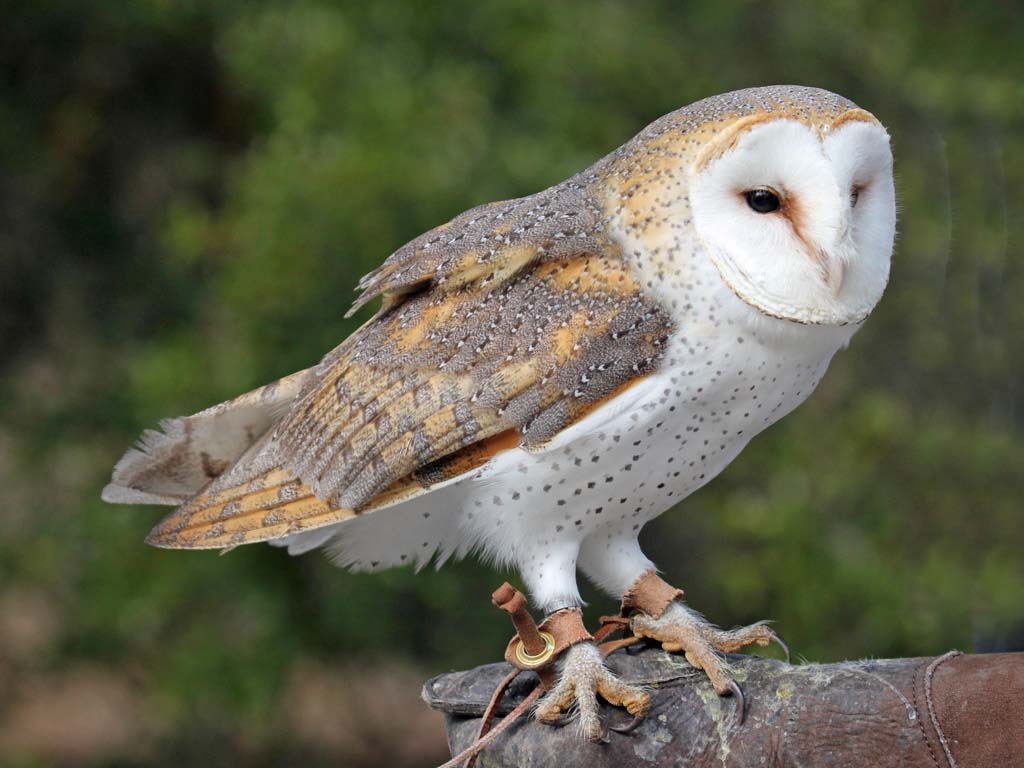
The news trigger comprises a rare sighting of an Australian grass owl at Maguri Motapung Beel in Assam’s Tinsukia district. The report comprises key facts on the owl’s scientific classification, habitat, and conservation status, and on Maguri Motapung Beel as a notified bird area.
Australian Grass Owl and Maguri Motapung Beel (Assam):
| Dimension | Key Details |
|---|---|
| Common name | The species comprises the Australian grass owl, also known as the Eastern grass owl. |
| Taxonomy (family) | The species comprises an owl in the family Tytonidae. |
| Scientific name | The scientific name comprises Tyto longimembris. |
| Distribution | Its distribution comprises eastern, southern, and southeast Asia; parts of New Guinea; Australia (mainly in Queensland); and the western Pacific. |
| Habitat preference | Habitat preference comprises grassland habitats, including savanna, floodplains, and agricultural fields. |
| Roosting and nesting behaviour | Behaviour comprises roosting and nesting on the ground, and nest construction amidst tall grass. |
| Size (length and wingspan) | Adult size comprises: males at 32–38 cm in length; females at 35–42 cm in length; and a wingspan of 100–116 cm. |
| Conservation status | IUCN Red List status comprises ‘Least Concern’. |
| Maguri Motapung Beel: type and location | Maguri Motapung Beel comprises a large freshwater wetland near Motapung village in Assam’s Tinsukia district. |
| Maguri Motapung Beel: river setting and connectivity | The wetland location comprises the south bank of the Dibru River, which comprises a channel of the Brahmaputra River; connectivity comprises a system of channels linking it to the Dibru River. |
| Maguri Motapung Beel: area and biodiversity tag | The wetland spread comprises 9.6 sq.km., and it has been declared an Important Bird and Biodiversity Area (IBA) in 1996. |
| Maguri Motapung Beel: avifauna and seasonal importance | Bird diversity comprises approximately 110 species, and the site comprises a major stopover for wintering migratory birds, including Greater Adjutant Stork, Spot-billed Pelican, and various migratory waterfowls. |