|
India’s First National Standard for Mangrove Ecosystem Restoration
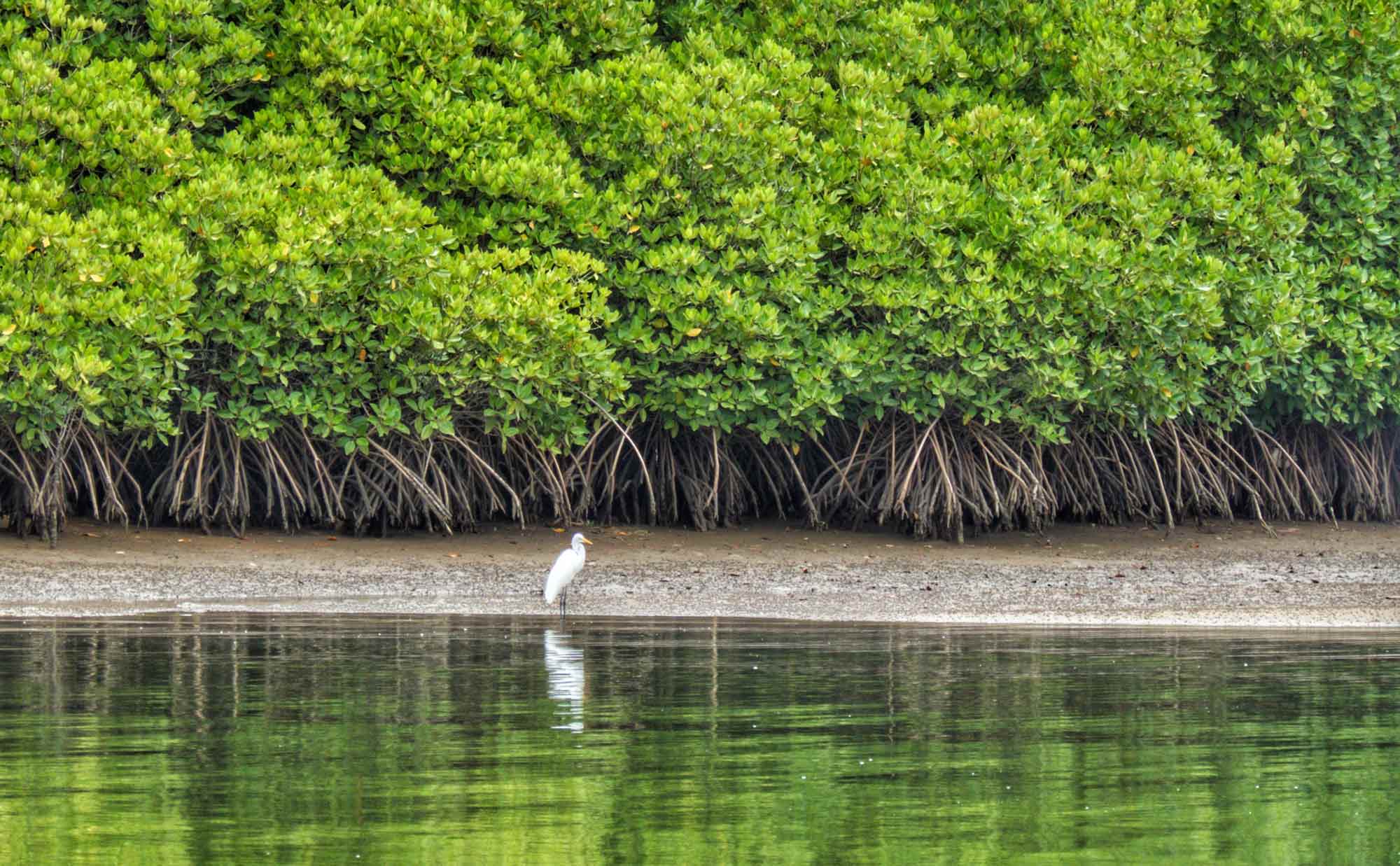
The Bureau of Indian Standards (BIS) is preparing to introduce India’s first-ever national standard dedicated to the restoration of mangrove ecosystems. The proposed guidelines cover eco-friendly planting materials, livelihood-linked plantation measures, scientific zoning for species placement, and community-linked carbon credit benefits.
Restoration of Mangrove Ecosystem :
| Dimension | Key Details |
|---|---|
| Authority | The standard is prepared by the Bureau of Indian Standards (BIS). |
| Eco-friendly sourcing | The guidelines provide for replacing conventional polythene bags with biodegradable or cloth bags for growing and planting mangrove seeds. |
| Livelihood integration | The guidelines provide for planting fruit-bearing trees on the landward side of mangrove zones to create financial incentives and alternative livelihoods for forest-dependent communities. |
| Scientific zoning | The guidelines provide for restoring functional micro-ecosystems by planting the right combination of species at specific tidal spots to attract native fauna like crabs and small fish. |
| Carbon credit linkage | The guidelines provide for incorporating frameworks indicating how local communities can benefit from carbon credits generated via restored carbon sinks. |
| Implementation status | The guidelines apply as a voluntary BIS standard initially. |
| Adoption pathway mentioned | Efforts are underway to urge the Ministry of Environment, Forest and Climate Change (MoEFCC) and state-specific mangrove cells to adopt the guidelines as mandatory operational protocols. |
| Challenge in standard-setting | The drafting process accounts for mangrove-region differences in salinity, tidal patterns, geography, and human settlement density. |