|
Three new Onomastus jumping spider species found
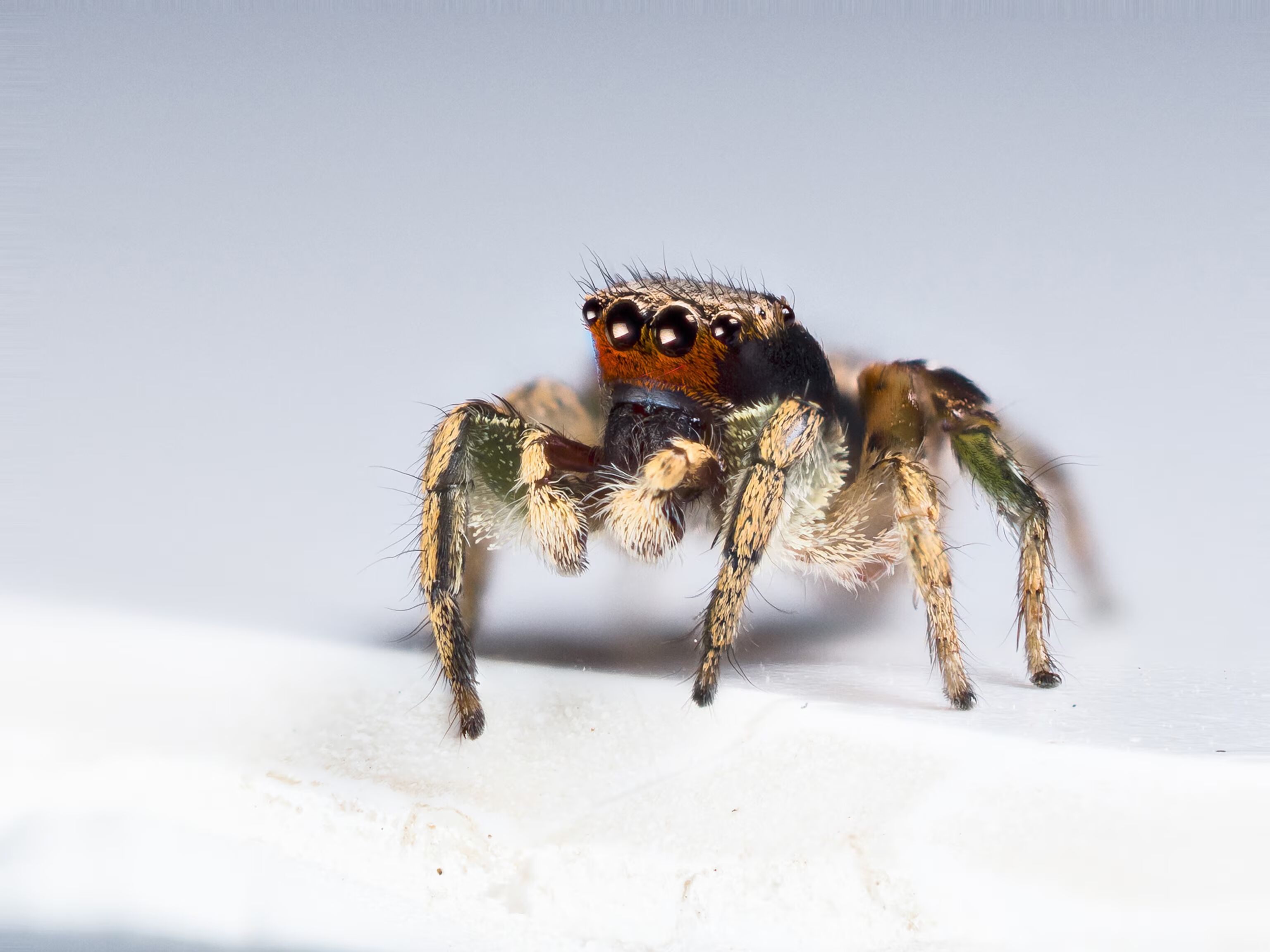
Researchers from India and Sri Lanka report the discovery of 3 new rare jumping spider species under the genus Onomastus. The report links the newly described species to isolated montane habitats and the “sky island” concept.
New Onomastus jumping spider species (discovery report):
| Dimension | Key Details |
|---|---|
| Discovering team | The discovery comprises a team of researchers from India and Sri Lanka. |
| Taxonomic placement | All 3 newly described jumping spider species comprise the genus Onomastus. |
| New species and discovery locations | The new species comprise: Onomastus brahmagiri (Brahmagiri Hills, Western Ghats, India); Onomastus silentvalley (shola forests of Silent Valley National Park, Kerala); Onomastus wijesinghei (montane forests of Sri Lanka). |
| Lineage | The genus Onomastus comprises one of the oldest lineages of jumping spiders. |
| Biogeographic restriction | The genus Onomastus applies to the Oriental region only. |
| Known habitat of newly described species | The newly described species comprise populations known only from isolated montane forests. |
| Dispersal ability | The newly described species comprise taxa believed to have limited dispersal ability. |
| Concept supported | The findings comprise support for the “sky island” concept: isolated montane habitats as natural islands, with long-term geographic isolation, speciation, and high levels of endemism. |