|
Supreme Court Recognises Children’s Right to Internet Access Under Articles 21 and 19(1)(a)
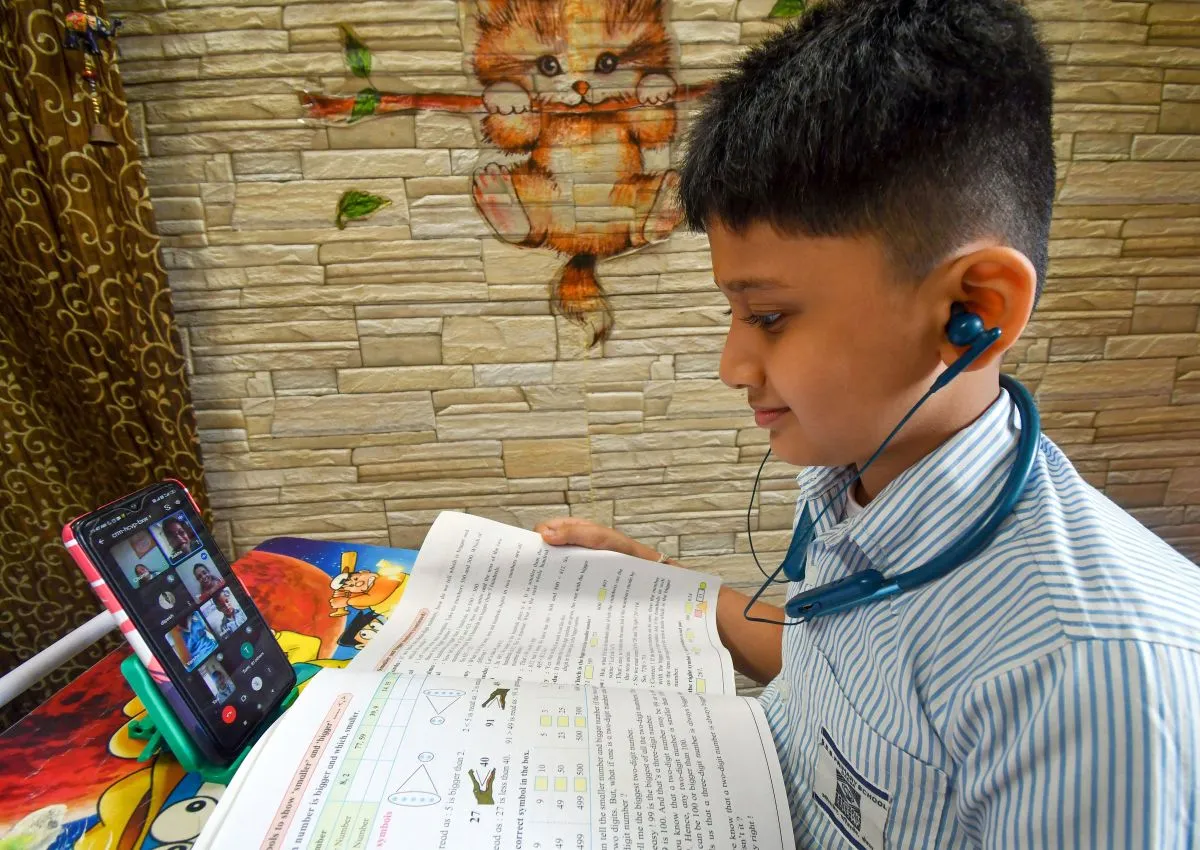
The Supreme Court rules that children have a fundamental right to the internet under Articles 21 and 19(1)(a). The Court rejects blanket bans in favour of targeted safety safeguards, and flags measures like parental supervision and child-mode accounts.
Supreme Court ruling on children’s right to internet access:
| Dimension | Key Details |
|---|---|
| Constitutional basis | The Supreme Court recognises children’s fundamental right to the internet under Article 21 and Article 19(1)(a). |
| Article 21 | Article 21 guarantees the right to life and personal liberty. |
| Article 19(1)(a) | Article 19(1)(a) guarantees freedom of speech and expression. |
| Fundamental rights of children | Children enjoy fundamental rights irrespective of their age, including the right to access and use the internet. |
| Blanket restrictions | The Court observes that blanket bans are disproportionate and have not been proven effective in making children safer online. |
| Parental supervision | The Court emphasises parental consent, guidance, and supervision of children’s access to social media platforms. |
| Child mode | The Court suggests dedicated child-mode accounts with age-appropriate content moderation and proportionate safety measures. |
| Online safety concern | The Court observes that excessive restrictions may push children towards unregulated platforms and discourage reporting of online abuse due to fear of punishment. |
| POCSO Act, 2012 | The Protection of Children from Sexual Offences Act, 2012 aims to protect children against sexual offences and provides a legal framework for addressing such abuse. |
| Stakeholders in digital safety | Stakeholders comprise social media intermediaries, law enforcement agencies, Ministry of Electronics and Information Technology (MeitY), parents, and courts. |