|
Study in The Planetary Science Journal Reports 10,000+ Young Lunar Faults
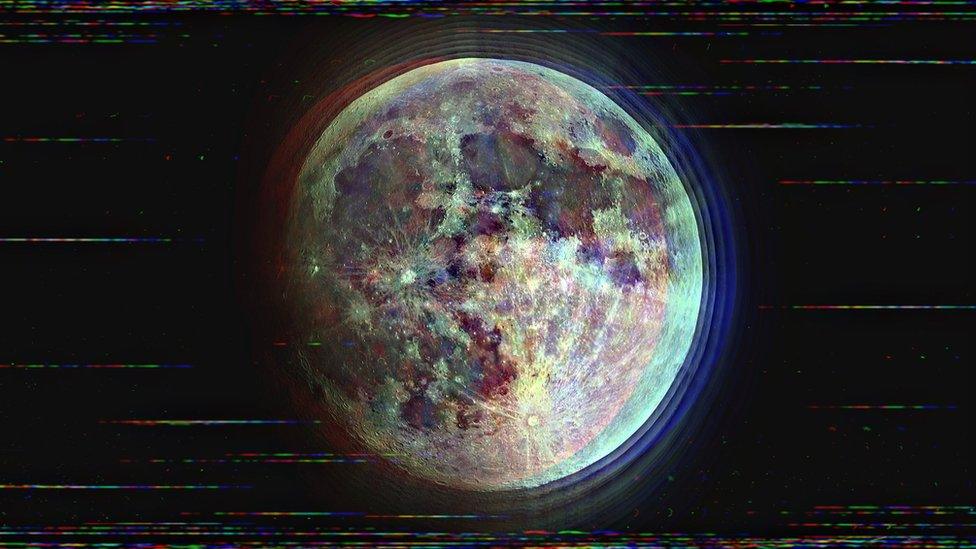
A study published in The Planetary Science Journal (October 2026) reports more than 10,000 young faults on the Moon, linked to gradual cooling and contraction. The findings use images from NASA’s Lunar Reconnaissance Orbiter Camera (LROC) and are cited as relevant for planning and safety of future lunar missions, including the Artemis programme.
Shrinking Moon, Young Lunar Faults, and LROC :
| Dimension | Key Details |
|---|---|
| Source and date | A study published in The Planetary Science Journal (October 2026) reports more than 10,000 young faults on the Moon. |
| Cause-link identified | The young lunar faults are linked to the Moon’s gradual cooling and contraction. |
| Moon’s contraction | The Moon’s radius has shrunk by about 45 metres over the past 400 million years due to internal cooling. |
| Rate of shrinking | The Moon is estimated to shrink by 6–11 cm per million years. |
| Lobate scarps | Lobate scarps are small, cliff-like landforms formed by compressional forces that cause the lunar crust to wrinkle and break. |
| Moonquakes | Slippage along lunar faults can generate moonquakes, which may occur across the Moon’s surface. |
| Moon vs Earth | Unlike Earth, where most seismic activity occurs near tectonic plate boundaries, the Moon has a single-plate structure, allowing faults and moonquakes to occur across its surface. |
| Scientific mission and instrument | NASA’s Lunar Reconnaissance Orbiter Camera (LROC) provides images used to study lunar surface features and faults. |
| Mission relevance | Lunar faults and moonquakes are important considerations for the safety and planning of future lunar missions, including the Artemis programme. |
| Moon formation hypothesis mentioned | The giant-impact hypothesis suggests that the Moon formed from debris ejected following a massive collision between the early Earth and another celestial body. |