|
IPCC Deadlock: India Seeks Extended Timeline for 2029
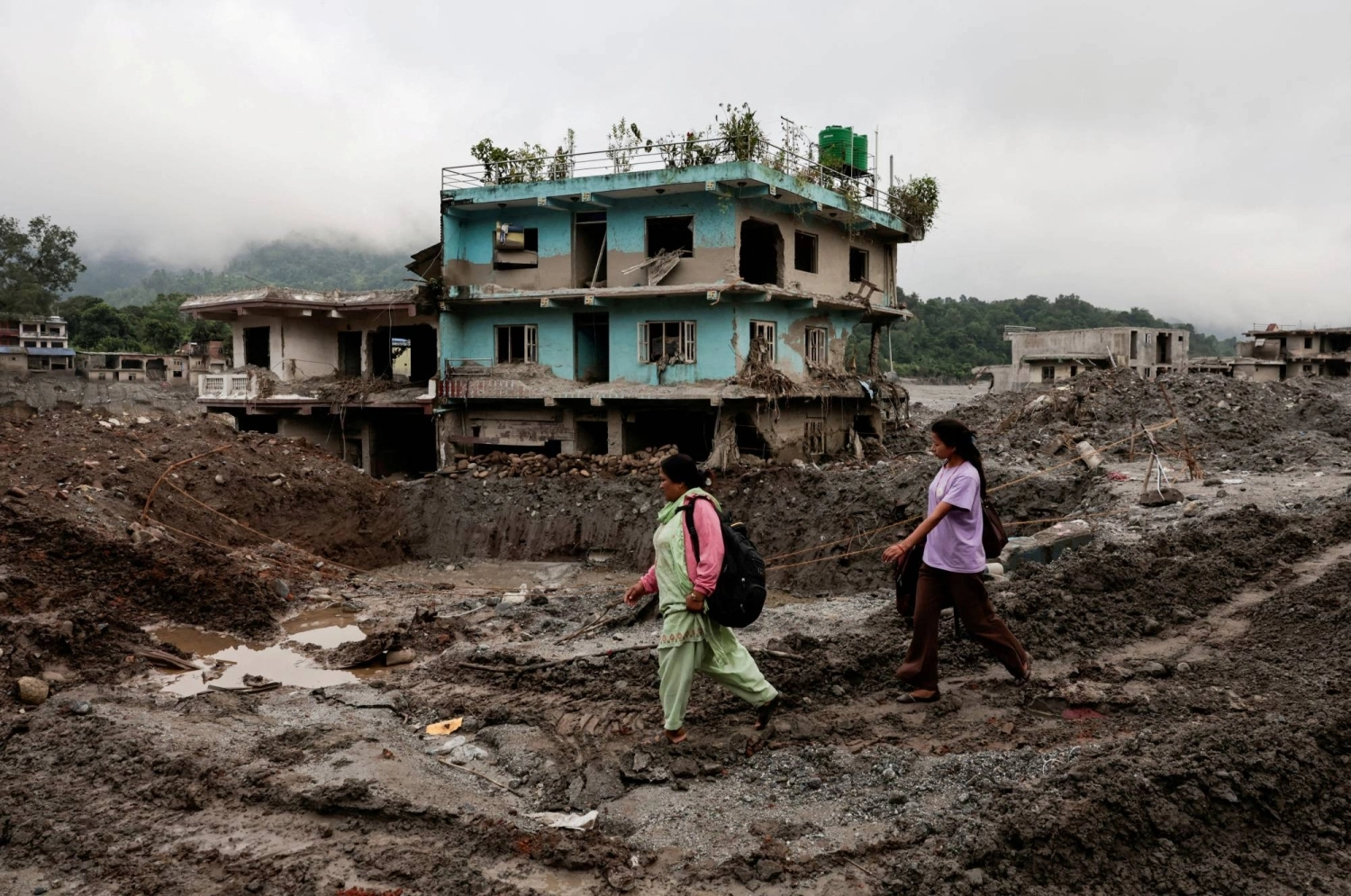
The Intergovernmental Panel on Climate Change (IPCC) faces a deadlock over the publication schedule of its next three major assessment reports. India and other countries seek an extended timeline to 2029 for the second and third reports to enable inclusive participation of scientists from developing countries.
IPCC and Assessment Report Timeline:
| Dimension | Key Details |
|---|---|
| Proposed schedule under disagreement | The proposed timeline provides for completing all three reports by September 2028, before UN climate talks scheduled for November 2028. |
| India’s position on timeline | India and other countries seek to extend the timeline for the second and third reports to 2029. |
| Stated constraints for developing-country scientists | Developing-country scientists face constraints: limited funding, fewer publication opportunities, and time constraints due to unpaid IPCC work. |
| IPCC establishment | The IPCC is established in 1988 by the World Meteorological Organization (WMO) and the United Nations Environment Programme (UNEP). |
| Headquarters | The IPCC headquarters is in Geneva, Switzerland. |
| Membership | The IPCC comprises 195 countries. |
| Objective | The IPCC assesses scientific knowledge on climate change, its impacts, risks, adaptation, and mitigation. |
| Nature of work | The IPCC assesses existing scientific research, does not independently conduct climate research, and does not prescribe government policies. |
| Use of reports | Its assessment reports provide scientific inputs for international climate negotiations, including the Paris Agreement. |
| Three key IPCC assessment reports and focus | The three key reports comprise: Working Group I, physical science basis, causes, and extent of climate change; Working Group II, climate change impacts, vulnerabilities, and adaptation; Working Group III, greenhouse gas emission reduction and climate change mitigation. |