|
Phantom pain prevalence
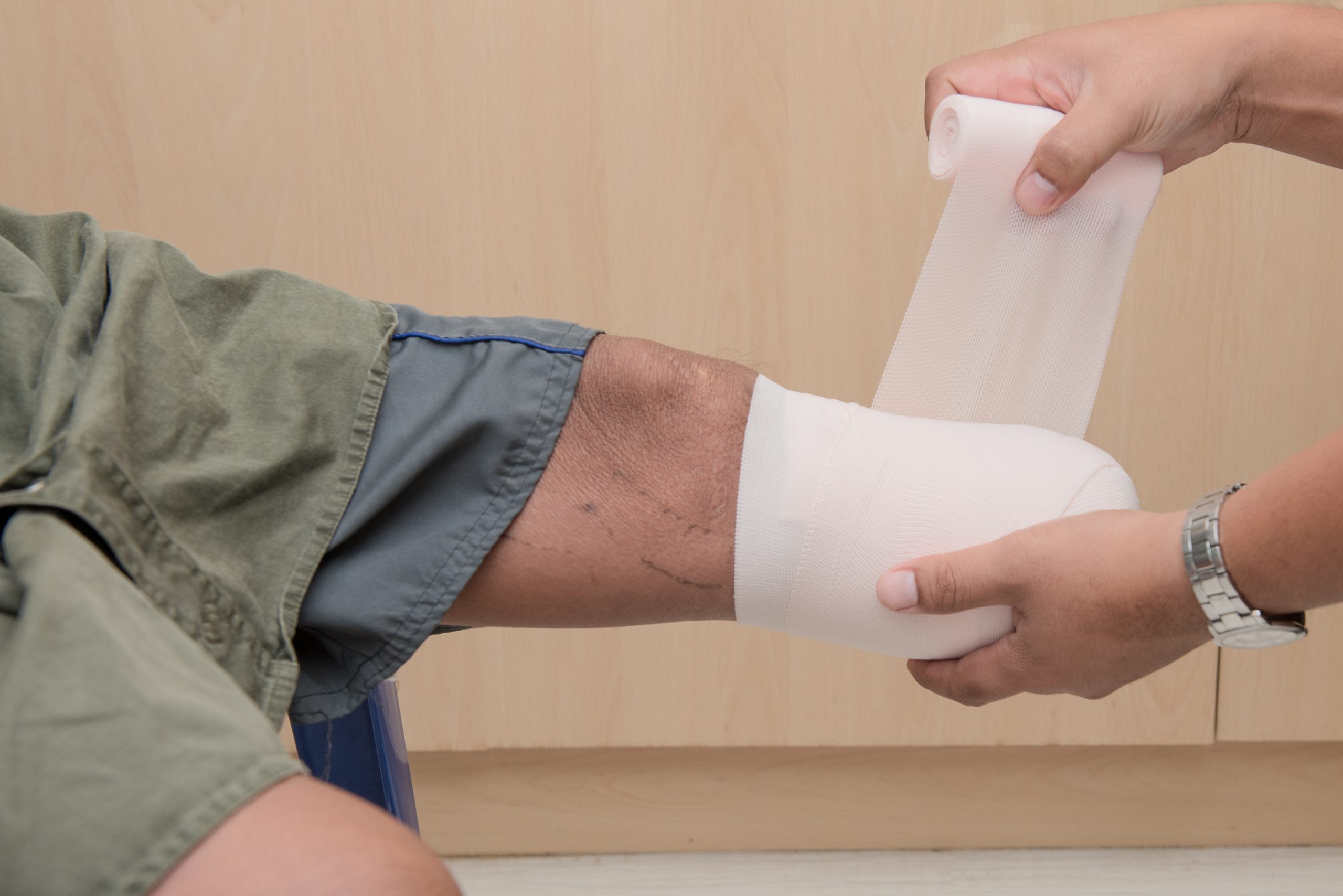
Phantom pain is discussed as a neurological condition in which sensations, often painful, are perceived in a body part that has been amputated or removed. The condition is highlighted with its prevalence ranges, symptom patterns, risk factors, and available treatment approaches.
Phantom Pain (Phantom Limb Pain):
| Dimension | Key Details |
|---|---|
| Definition | Phantom pain is a neurological condition where people feel sensations, often painful, in a body part that has been amputated or removed. |
| Term origin and first descriptions | The term “phantom” originates from words meaning illusion or ghost; the condition is first described in the 16th century by French military surgeon Ambroise Paré; the term “phantom limb” is coined in 1871 by American neurologist Silas Weir Mitchell. |
| Beyond limbs | Phantom pain is most associated with arm or leg amputations and can also occur after breast removal, eye removal, tooth extraction, or rectal surgery. |
| Phantom sensation vs phantom pain | Phantom sensation comprises feeling that a removed body part is still present and is generally harmless; phantom pain comprises actual discomfort or pain arising from the absent part. |
| Impact | Phantom pain can significantly affect sleep, daily activities, and quality of life. |
| Symptoms | Symptoms comprise burning, stabbing, cramping, throbbing, electric shock-like pain, itching, tingling, or a sensation that the missing limb is still moving. |
| Time pattern | Phantom pain can occur soon after surgery or months later, often peaking within 6–12 months. |
| Prevalence (global) | Global prevalence is 50–80% of amputees. |
| Prevalence (India) | India prevalence is 40–70%, especially among diabetes-related amputations, vascular disease, road traffic injuries, and trauma. |
| Risk factors | Risk factors comprise severe pain before amputation; poorly controlled post-operative pain; traumatic amputations or nerve injuries; anxiety, depression, post-traumatic stress disorder, and poor sleep. |
| Reason for feeling pain | Phantom pain occurs as the brain retains a “map” of the missing limb and the remaining nerves send abnormal signals interpreted as pain, with mismatch between brain memory and nerve activity driving phantom pain. |
| Treatment approach | There is currently no single cure, and treatment comprises a multidisciplinary approach. |
| Medications | Medications comprise gabapentin, pregabalin, and certain antidepressants. |
| Mirror therapy | Mirror therapy provides for using a mirror to create the illusion of the missing limb, helping the brain reorganize perception. |
| Other methods | Other methods comprise early rehabilitation and prosthetic fitting, physical stimulation of the residual limb, psychological support and CBT, and acupuncture and complementary therapies. |
| Emerging techniques | Emerging techniques comprise VR-based rehabilitation and brain stimulation. |