|
Andaman and Nicobar Islands Total Fertility Rate Falls
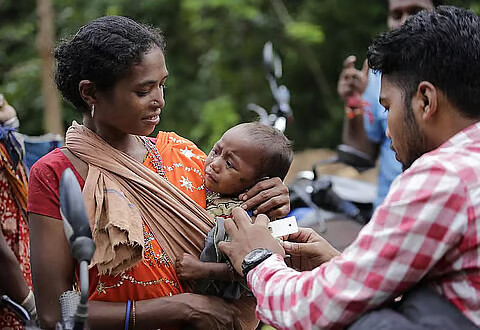
The Andaman and Nicobar Islands have the lowest fertility rate in India, as per the National Family Health Survey-6 recently released by the Union Ministry of Health and Family Welfare. The NFHS-6 data reports a Total Fertility Rate of 0.9 for the Union Territory and tracks changes in child population share, ageing indicators, and preschool attendance.
National Family Health Survey-6: Andaman and Nicobar Islands (Fertility and Demographic Indicators):
| Dimension | Key Details |
|---|---|
| Source and authority | National Family Health Survey-6 is recently released by the Union Ministry of Health and Family Welfare. |
| Current Total Fertility Rate (TFR) | Andaman and Nicobar Islands has a TFR of 0.9. |
| Replacement-level benchmark (global) | Replacement-level fertility is established globally at 2.1 children per woman. |
| TFR in NFHS rounds (trend) | TFR is 1.4 in NFHS-4 (2015-16), 1.3 in NFHS-5 (2019-21), and 0.9 in NFHS-6. |
| Children under 5 years | The share of children under 5 years is 3.7% in NFHS-6 and 5.3% in NFHS-5. |
| Children under 15 years | Children under 15 years constitute 17.5% of the population, down from 20.8%. |
| Population aged 60 and above | The proportion of individuals aged 60 and above is 12.6%, up from 11%. |
| Preschool attendance (ages 2 to 4) | Preschool attendance among children aged 2 to 4 years is 66.2%, down from 88.5%. |
| Total Fertility Rate (TFR) | Total Fertility Rate is the average number of children a woman would give birth to during her childbearing years (typically ages 15–49) based on current age-specific fertility rates. |
| Replacement-level fertility | Replacement-level fertility is the specific TFR level at which a population exactly replaces itself from one generation to the next without migration. |