|
Pfizer’s Berobenatide GLP‑1 Receptor Agonist Shows Mid‑Stage VESPER‑3 Trial Results
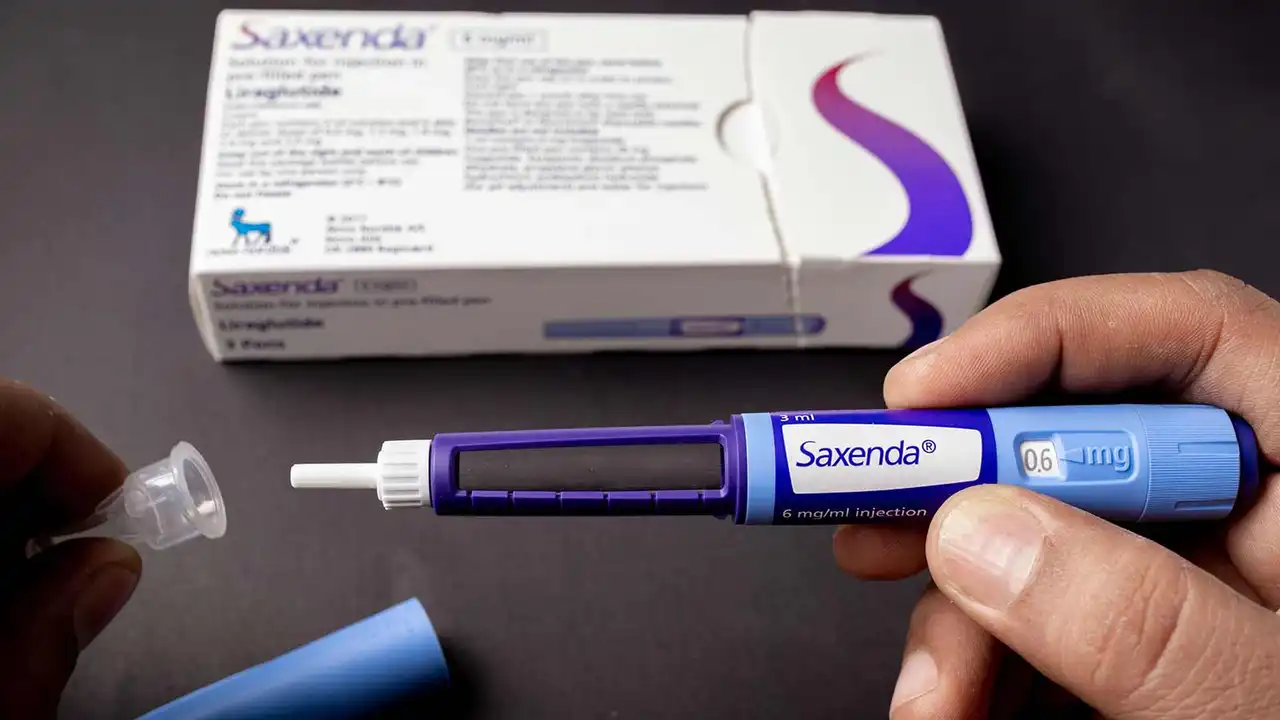
Pfizer’s investigational drug Berobenatide, a GLP-1 receptor agonist, shows promising mid-stage trial results in the VESPER-3 trial. The news relates to an experimental, ultra-long-acting peptide for chronic weight management and type 2 diabetes. It is discussed as a potential monthly injection option for obesity treatment.
Berobenatide (GLP‑1 Receptor Agonist):
| Dimension | Key Details |
|---|---|
| Developer | Berobenatide is developed by Pfizer. |
| Drug class | Berobenatide comprises an experimental, ultra-long-acting glucagon-like peptide-1 receptor agonist (GLP-1 RA) peptide. |
| Indications | Berobenatide applies to chronic weight management and type 2 diabetes. |
| Current trigger | Berobenatide has shown promising mid-stage trial results in the VESPER-3 trial. |
| Mechanism (GLP‑1 action) | It mimics natural gut hormones that controls appetite, slows stomach emptying, and improves blood sugar. |
| Molecular structure | It comprises a unique structure that binds to a blood protein called albumin, which stops the body from breaking it down quickly and keeps the drug active longer. |
| Albumin fact | Albumin is the most abundant protein in human blood plasma, making up about 50% to 60% of total blood protein. |
| Dosage volume | It works in a 0.5 mL injection dose. |
| Duration of effect | It sustains therapeutic effect for an entire month with one shot. |
| Side-effect profile | It comprises nausea and vomiting as side effects. |
| Obesity definition | Obesity is governed by excess accumulation of body fat with BMI ≥ 30. |
| Drivers of obesity | Obesity is driven by genetic, socioeconomic, and lifestyle factors. |
| Health risks associated with obesity | Health risks comprise cardiovascular disease, Type 2 diabetes, hypertension, dyslipidemia, liver disease, sleep apnea, and cancers. |