|
Sjögren’s Syndrome Explained
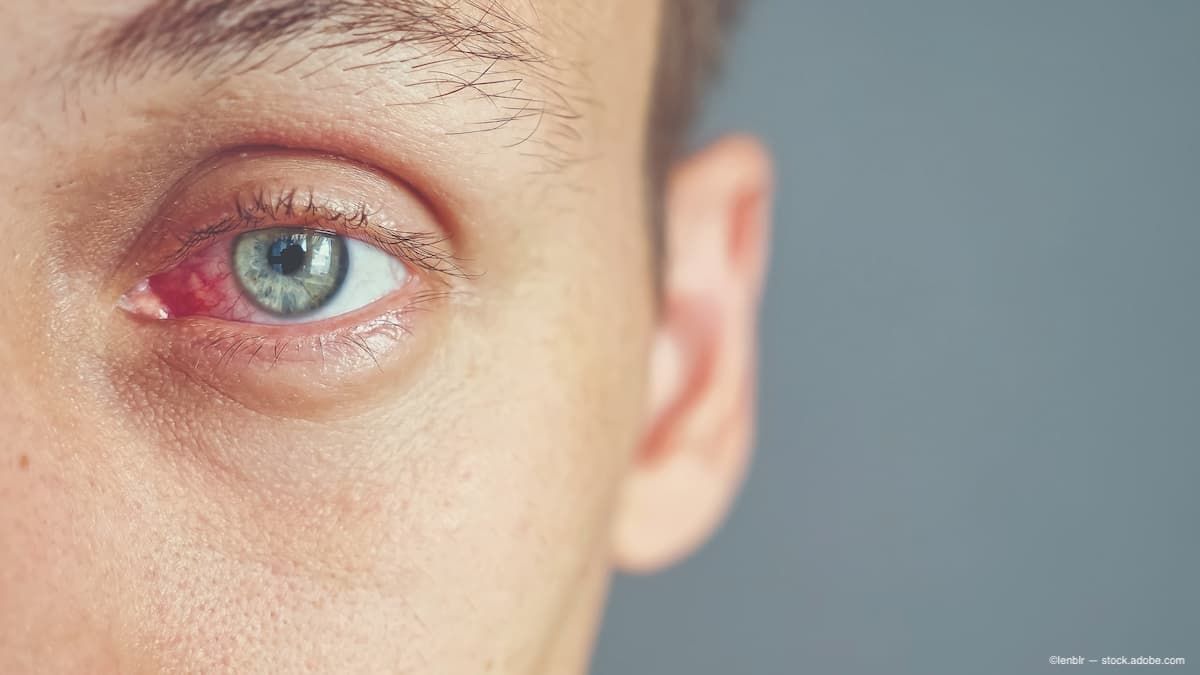
Researchers in Japan identify a self-perpetuating interaction between different types of immune cells that helps maintain autoimmune activity in people with Sjögren’s disease. Sjögren’s disease is discussed as a long-term autoimmune condition affecting moisture-producing glands.
Sjögren’s Syndrome (Sjögren’s Disease):
| Dimension | Key Details |
|---|---|
| Nature of condition | It is a long-term autoimmune condition in which the immune system mistakenly attacks the body’s own moisture-producing glands. |
| Primary glands affected | It mainly affects glands responsible for producing tears, saliva, and sweat. |
| Other involvement | It can involve other organs and tissues throughout the body. |
| Alternate name | It is also known as Sjögren’s syndrome. |
| Cause and suspected contributors | The precise cause remains unknown, genetic factors are believed to play a role, and suspected triggers include viral infections, emotional or physical stress, and hormonal changes. |
| Age profile | It can occur at any age, and it is most commonly diagnosed in individuals over the age of 40. |
| Prevalence by sex | Approximately 90% of adults diagnosed with Sjögren’s syndrome are women. |
| Association with other autoimmune disorders | Sjögren’s may develop on its own or alongside other autoimmune disorders, particularly lupus and rheumatoid arthritis (RA). |
| Key symptoms | Symptoms include dry eyes that may feel painful, burning, itchy, or gritty; dry mouth that can make swallowing, speaking, or eating dry foods difficult; and swelling of glands in the face and neck region. |
| Other reported symptoms | Some individuals also experience: joint pain, swelling, and stiffness; dry skin or skin rashes; vaginal dryness; a persistent dry cough; and ongoing fatigue. |
| Internal organ involvement | In certain cases, it affects internal organs such as the liver and kidneys. |
| Complication | A small number of patients develop lymphoma, a cancer affecting the lymphatic system. |
| Treatment status and approach | There is no cure, and treatment focuses on managing symptoms, particularly chronic dryness of the eyes and mouth, by improving lubrication and moisture in affected tissues. |