|
Autoimmune Blistering Diseases Explained
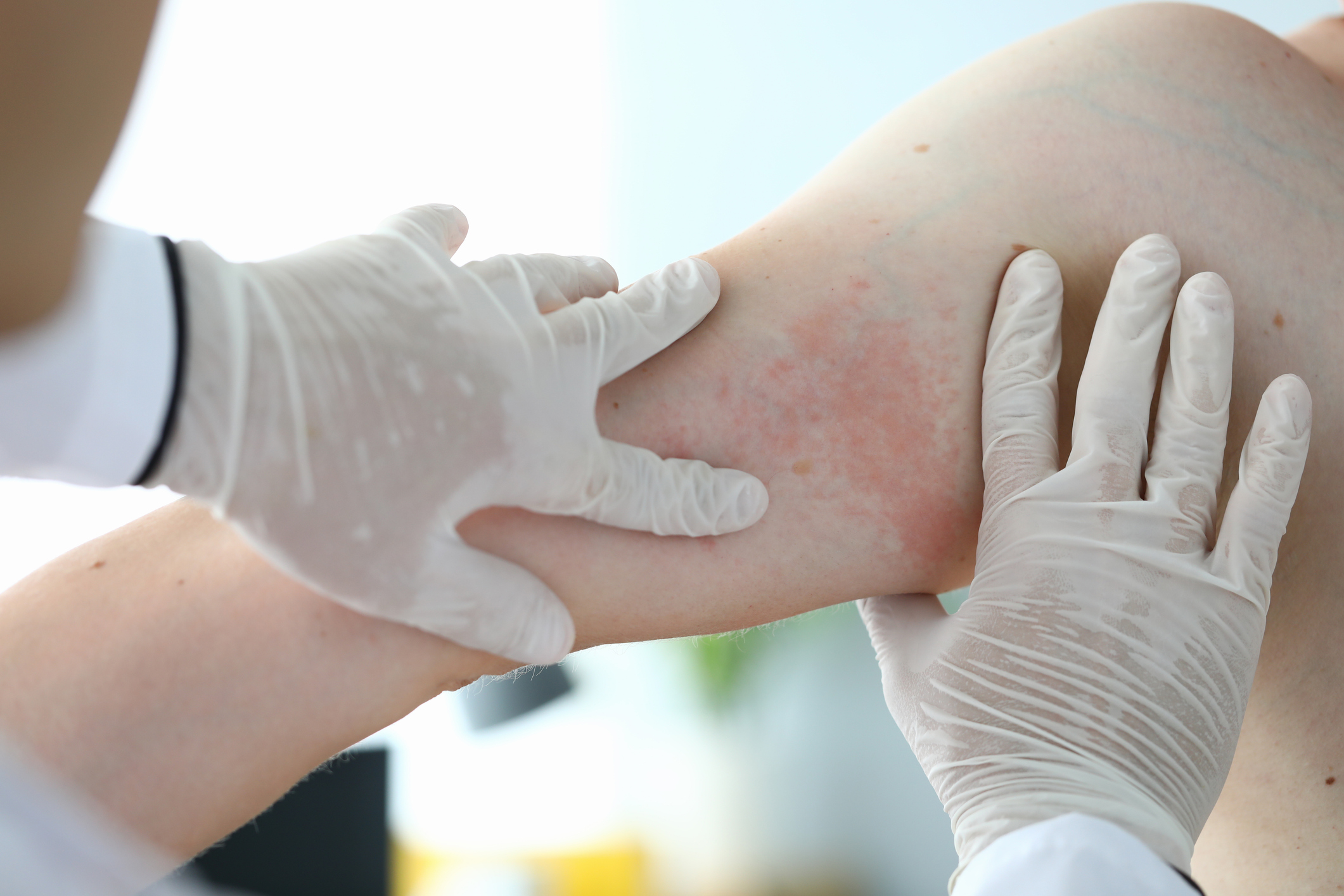
A joint study by Punjabi University, Patiala, and PGIMER, Chandigarh, develops artificial intelligence-based methods to aid diagnosis of Autoimmune Blistering Diseases (AIBDs). The news highlights AIBDs as immune-mediated skin and mucous membrane disorders requiring specialised diagnostic testing.
Autoimmune Blistering Diseases (AIBDs):
| Dimension | Key Details |
|---|---|
| Nature of condition | AIBDs comprise a rare group of conditions where the immune system mistakenly attacks proteins vital for holding skin layers together. |
| Clinical presentation | AIBDs cause painful blisters and erosions on the skin and mucous membranes. |
| Management | AIBDs are chronic and can often be managed with immunosuppressive therapies. |
| Key categories | AIBDs comprise pemphigus disorders, pemphigoid disorders, and dermatitis herpetiformis. |
| Pemphigus disorders | In pemphigus disorders, autoantibodies attack desmosomal proteins (cell-to-cell connections), causing soft, flaccid blisters that easily rupture and leave painful erosions, often starting in the mouth before spreading to the skin. |
| Pemphigoid disorders | In pemphigoid disorders, autoantibodies target the basement membrane zone (the connection between the epidermis and dermis), forming large, tense, highly itchy blisters that are typically deep-seated and do not rupture as easily. |
| Bullous pemphigoid | Bullous pemphigoid is the most common variant and predominantly affects older adults. |
| Dermatitis herpetiformis (DH) | Dermatitis herpetiformis is a cutaneous manifestation strongly linked to celiac disease (gluten sensitivity) and causes intensely itchy, clustered vesicles usually found on the elbows, knees, and buttocks. |
| Common symptoms | Common symptoms comprise fluid-filled blisters (bullae or vesicles); raw, weeping, or crusted erosions after blisters break open; painful lesions in the mouth, eyes, or throat (common in mucous membrane pemphigoid); severe itching or burning sensations. |
| Diagnosis: requirement | Because clinical presentation alone can be misleading, specialised testing is usually required. |
| Diagnosis: gold standard methods | Gold standard diagnostic methods comprise Direct Immunofluorescence (DIF), Indirect Immunofluorescence (IIF), and ELISA. |
| Direct Immunofluorescence (DIF) | DIF examines a perilesional skin biopsy to detect autoantibody deposits. |
| Indirect Immunofluorescence (IIF) and ELISA | IIF and ELISA test blood serum to identify and measure circulating antibodies against specific skin proteins. |
| Treatment: objectives | Treatments provide for healing blisters, preventing infections, and suppressing the autoimmune response. |
| Corticosteroids | Corticosteroids are often the first-line treatment and are used either topically for mild cases or systemically for severe disease to quickly reduce inflammation. |
| Immunosuppressants | Immunosuppressants comprise azathioprine, mycophenolate mofetil, and rituximab, and are frequently used as steroid-sparing agents to maintain long-term remission. |
| Targeted therapies | Targeted therapies comprise emerging treatments and specialised biologic therapies that target specific autoantibodies. |
| Dietary adjustment for DH | For dermatitis herpetiformis, a strict, lifelong gluten-free diet is usually required to clear the rash. |