|
Telangana High Court Travel Relief Set Aside
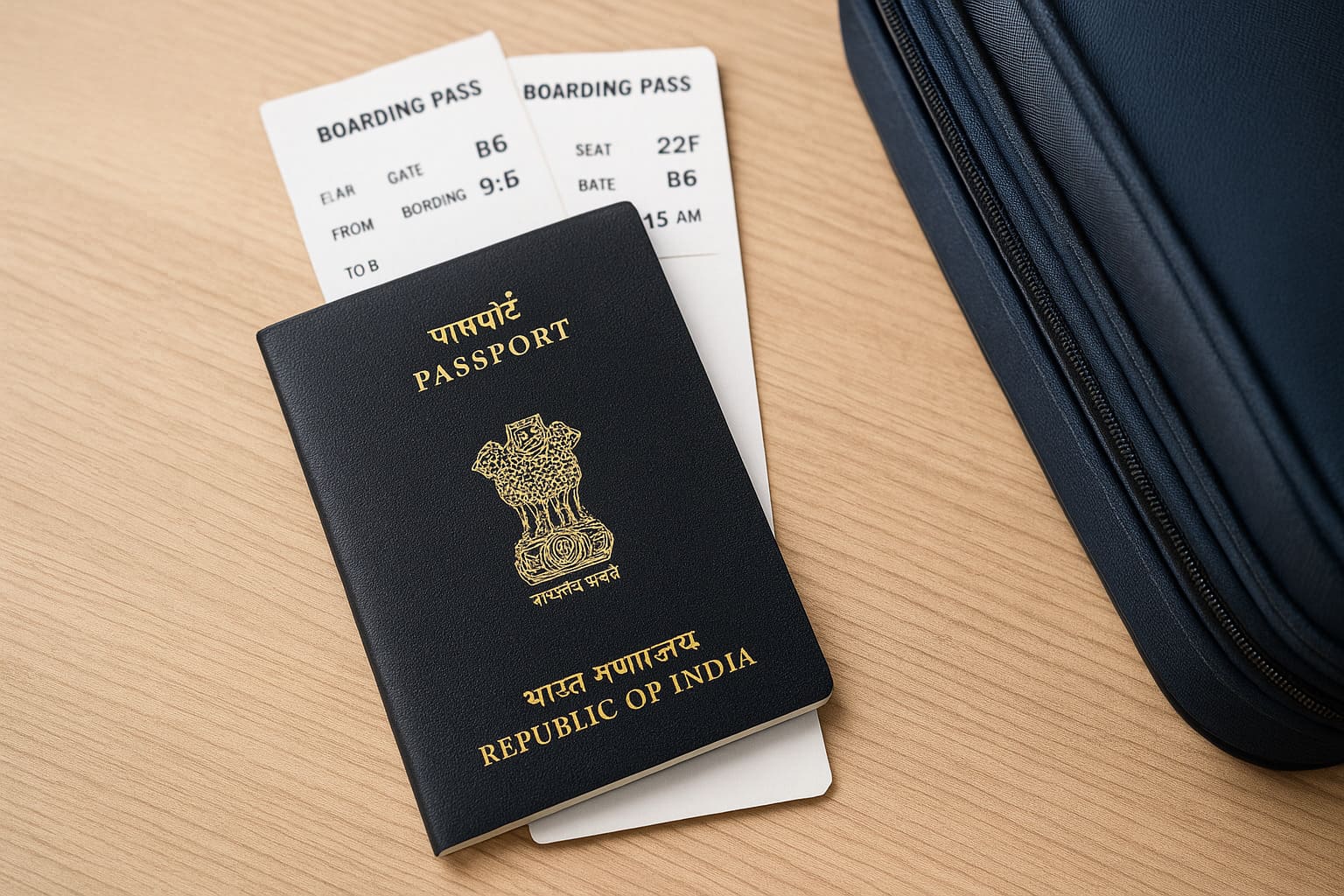
The Supreme Court sets aside Telangana High Court relief allowing an accused to travel abroad for medical treatment. It holds that the Article 21 right to travel abroad is not absolute and must be balanced with the victim’s right to a speedy trial and societal interest in effective criminal justice.
Supreme Court on Article 21 Right to Travel Abroad and Speedy Trial :
| Dimension | Key Details |
|---|---|
| Case background (2014) | A complaint is filed on suspicious death, and an FIR is registered under IPC Sections 306 and 120B. |
| Accused’s actions | The accused seeks repeated relief, has a Look Out Circular (LoC) suspended, leaves India in 2017, returns in 2025, and is arrested at Hyderabad airport. |
| High Court order | The Telangana High Court allows foreign travel for medical treatment. |
| Supreme Court finding on medical travel | The Supreme Court holds that comparable medical facilities exist in India. |
| Direction on passport release | Passport release is not automatic permission to travel abroad, and the accused must seek court approval. |
| Principle on Article 21 liberty | The Article 21 liberty, including the right to travel abroad, is not absolute and must be balanced with the victim’s right to speedy trial and societal interest in effective criminal justice. |
| Article 21 | Article 21 protects life and personal liberty as a fundamental right. |
| Right to travel abroad | The right to travel abroad is included under Article 21 but is subject to reasonable restrictions. |
| Speedy trial | Speedy trial is recognized as an essential part of Article 21. |
| Doctrine of proportionality | Any restriction on a fundamental right must be reasonable, necessary, and proportionate to the aim sought, and must balance individual liberty with public interest. |
| Limits on State restrictions | The State cannot impose excessive or arbitrary restrictions on fundamental rights. |
| Doctrine of harmonious construction | When 2 constitutional provisions or rights appear to conflict, courts interpret them to give effect to both, avoiding inconsistency. |