|
National Green Hydrogen Mission
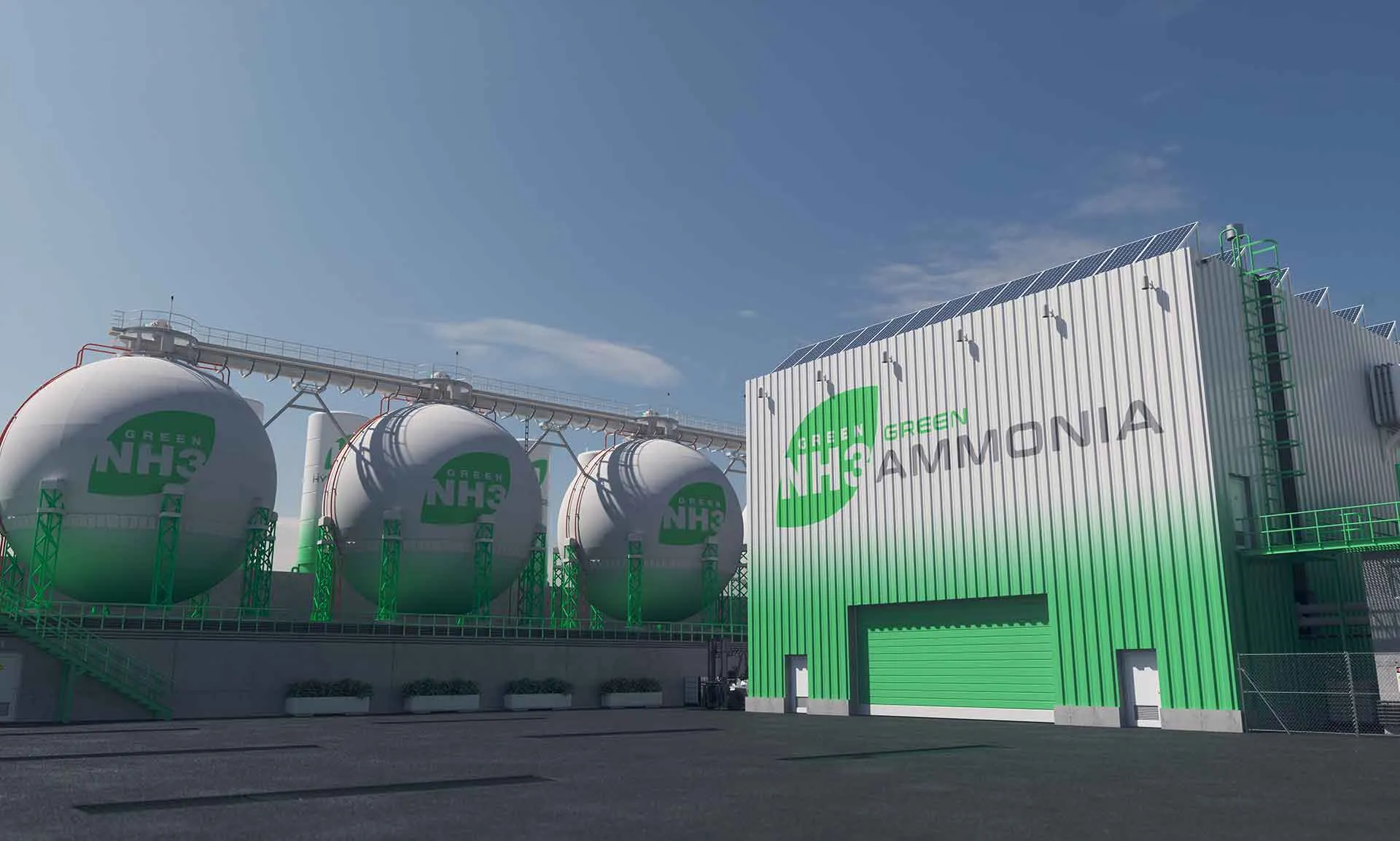
India signs green ammonia supply agreements between industry, SECI, and fertiliser companies under the National Green Hydrogen Mission. The agreements strengthen domestic production and supply of renewable ammonia for fertiliser use.
Green Ammonia
| Dimension | Key Details |
|---|---|
| Ammonia Definition | Is a pungent gas widely used in agricultural fertiliser production. |
| Green Ammonia Definition | Is produced using renewable energy to generate hydrogen via electrolysis and combining it with nitrogen, resulting in carbon-free ammonia. |
| Production Process | 3 steps: hydrogen generation through electrolysis using renewable energy; nitrogen extraction from air; and synthesis under high pressure with a catalyst. |
| Types of Ammonia | Grey ammonia based on fossil fuels with high emissions; blue ammonia with carbon capture; and green ammonia based on renewable energy with zero emissions. |
| Applications | Fertiliser production, shipping fuel, power generation, and hydrogen storage and transport. |
| National Green Hydrogen Mission | Provides for a target of 5 MMT of green hydrogen production annually by 2030. |
| SIGHT Programme | Financial incentives for electrolyser manufacturing and green hydrogen production. |
| Supply Agreements | Long-term supply of 724000 tonnes per year of green ammonia to fertiliser units. |
| Price Discovery | Price range of ₹49.75–64.74 per kg compared to global benchmarks of about ₹110 per kg. |
| Economic Impact | Foreign exchange savings of $2.5 billion over 10 years by replacing imports. |
| Energy Security | Reduction in import dependence and strengthening of domestic energy supply. |
| Global Position | India’s potential as a global exporter of green ammonia due to cost advantage. |