|
Seychelles Giant Tortoise Conservation
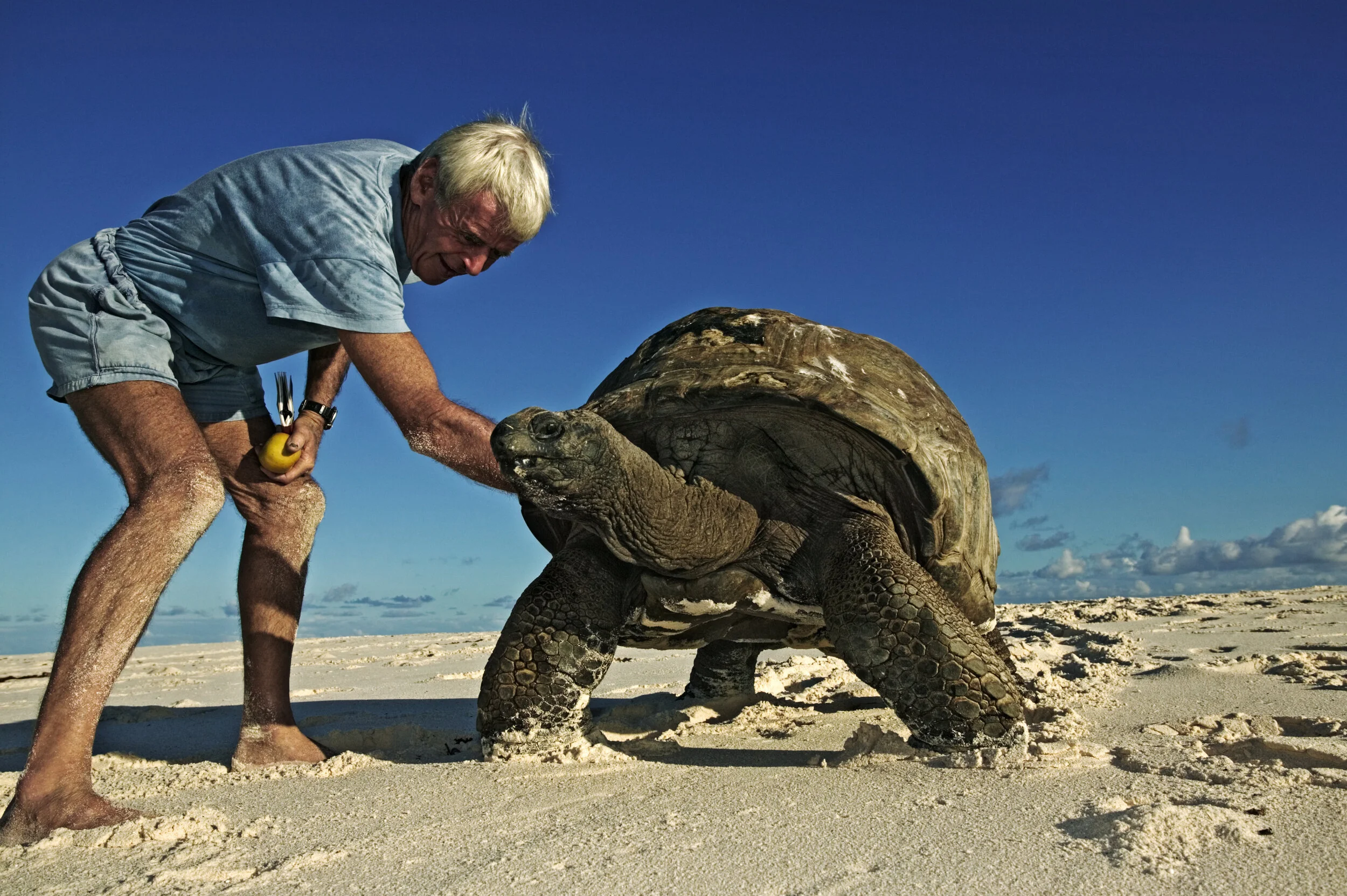
Jonathan, one of the world’s oldest living land animals, trends globally after death rumours on St. Helena. The event highlights the longevity and conservation significance of the Aldabra giant tortoise.
Aldabra Giant Tortoise:
| Dimension | Key Details |
|---|---|
| Scientific Name | Is known as Aldabrachelys gigantea hololissa. |
| Family | Belongs to the family Testudinidae. |
| Common Name | Is known as the Seychelles giant tortoise or Seychelles domed giant tortoise. |
| Habitat | Applies to grasslands, scrub forests, and coastal dunes. |
| Distribution | Is native to the Seychelles with the largest surviving population on the Aldabra Atoll and is introduced to other islands for conservation. |
| Size | Provides for males weighing up to 250 kg and females around 150–160 kg. |
| Physical Features | Provides for a broad brownish-grey carapace flattened on the back with raised scutes. |
| Morphology | Comprises dome-shaped shell, strong limbs, herbivorous nature, and slow movement with long lifespan. |
| Reproduction | Provides for females laying 9–25 eggs with vulnerable hatchlings. |
| Adaptation | Provides for survival in arid island ecosystems with limited vegetation and water due to slow metabolism. |
| Diet | Comprises grasses, leaves, fruits, and woody plant stems. |
| IUCN Status | Is classified as Vulnerable. |
| CITES Status | Is listed under Appendix II. |
| Threats | Comprises habitat loss, illegal hunting, and climate change. |