|
Solid Waste Management Rules, 2026
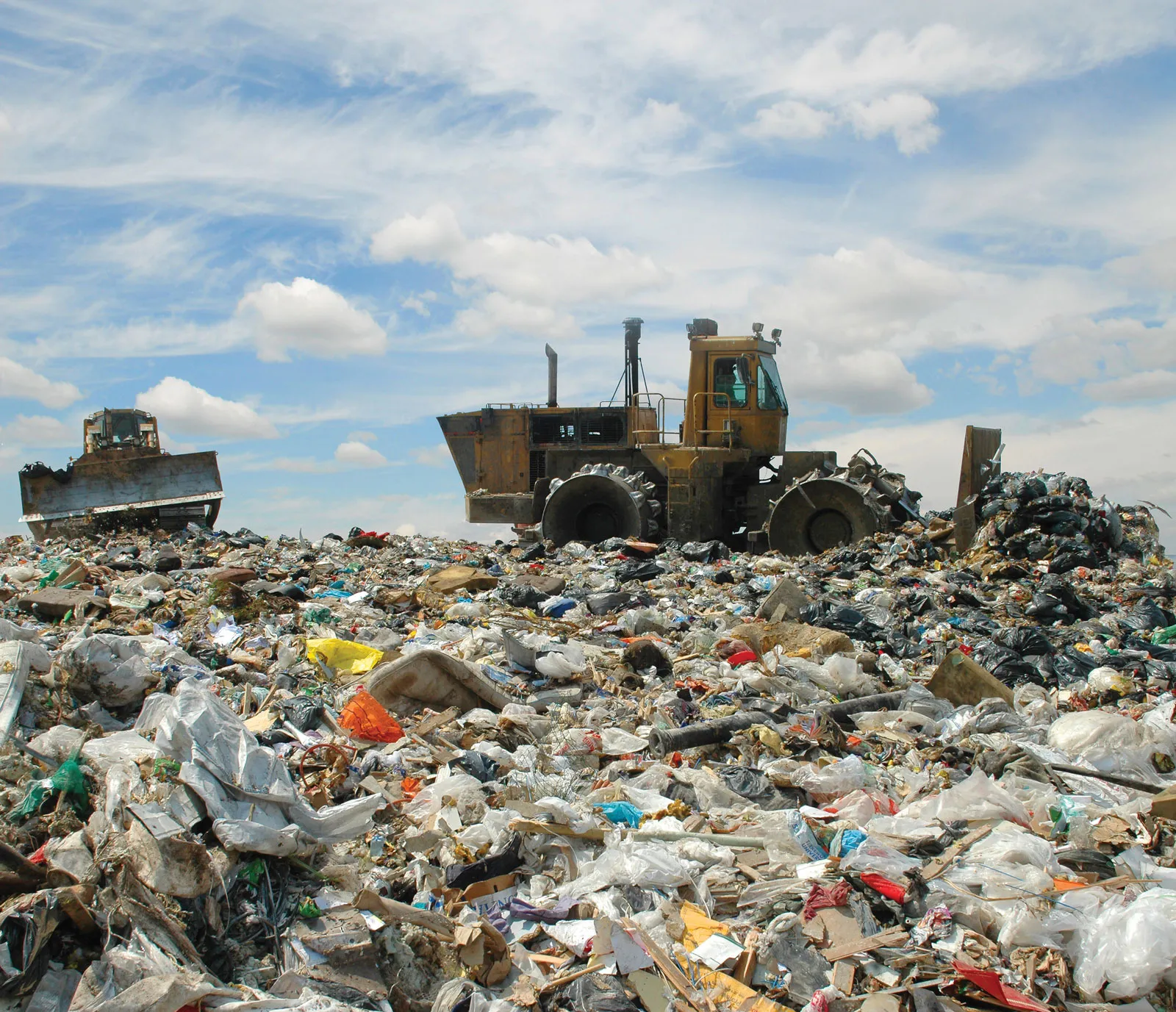
The Solid Waste Management (SWM) Rules, 2026 are notified by the Ministry of Environment, Forest and Climate Change under the Environment (Protection) Act, 1986. The SWM Rules, 2026 supersede the SWM Rules, 2016, and provide for revised segregation, compliance, and waste-processing provisions.
Solid Waste Management (SWM) Rules, 2026 :
| Dimension | Key Details |
|---|---|
| Notifying authority | The Rules are notified by the Ministry of Environment, Forest and Climate Change. |
| Legal basis | The Rules are notified under the Environment (Protection) Act, 1986. |
| Status vis-à-vis earlier rules | SWM Rules, 2026 supersede the SWM Rules, 2016. |
| Mandatory segregation | The Rules mandate four-stream segregation: wet waste (kitchen or organic matter), dry waste (plastic, paper, metal), sanitary waste (diapers, tampons), and special care waste (paints, medicines, bulbs). |
| Extended Bulk Waste Generator Responsibility (EBWGR) | Under EBWGR, Bulk Waste Generators (BWGs) are required to obtain an EBWGR certificate where on-site processing is not feasible. |
| Definition of Bulk Waste Generators (BWGs) | BWGs are defined as entities with a floor area of 20,000 sq. meters, water consumption of 40,000 liters/day, or generating over 100 kg of daily waste. |
| Compliance principle | The Rules apply the ‘Polluter Pays’ principle for non-compliance and improper solid waste management practices. |
| Centralised online portal | The Rules provide for a centralised online portal to track the waste management process from generation to disposal. |
| Duties of local bodies | Local bodies are mandated to provide for collection, segregation, and transportation of solid waste in coordination with Material Recovery Facilities. |
| Industrial use of Refuse Derived Fuel (RDF) | Industrial units, such as the cement industry, are mandated to substitute their solid fuel with RDF produced by shredding and dehydrating municipal solid waste. |
| Landfill restrictions | Landfills are strictly restricted to non-recyclable, non-energy recoverable waste and inert material. |
| Special provisions for hilly areas and islands | The Rules provide for measures such as levy of user fees on tourists and regulation of tourist inflow. |
| Solid waste generated in India (2023-24) | As per the Central Pollution Control Board, in 2023-24 total solid waste generated in India is about 1.85 lakh TPD. |
| Processing or treatment rate | Around 61% of total solid waste gets processed or treated. |
| Share ending in landfills | The rest of the total solid waste ends up in landfills. |
| Challenges identified | Challenges comprise absence of proper collection and segregation at source, limited availability of land, indiscriminate dumping of electronic waste, and financial constraints with local bodies. |
| Issues identified | Issues comprise emission of methane, landfill fires and explosions, leachate seeping into the ground contaminating groundwater, and open burning releasing fine particulate matter causing smog and severe respiratory diseases. |