|
India’s 15 FTAs cover 27 countries
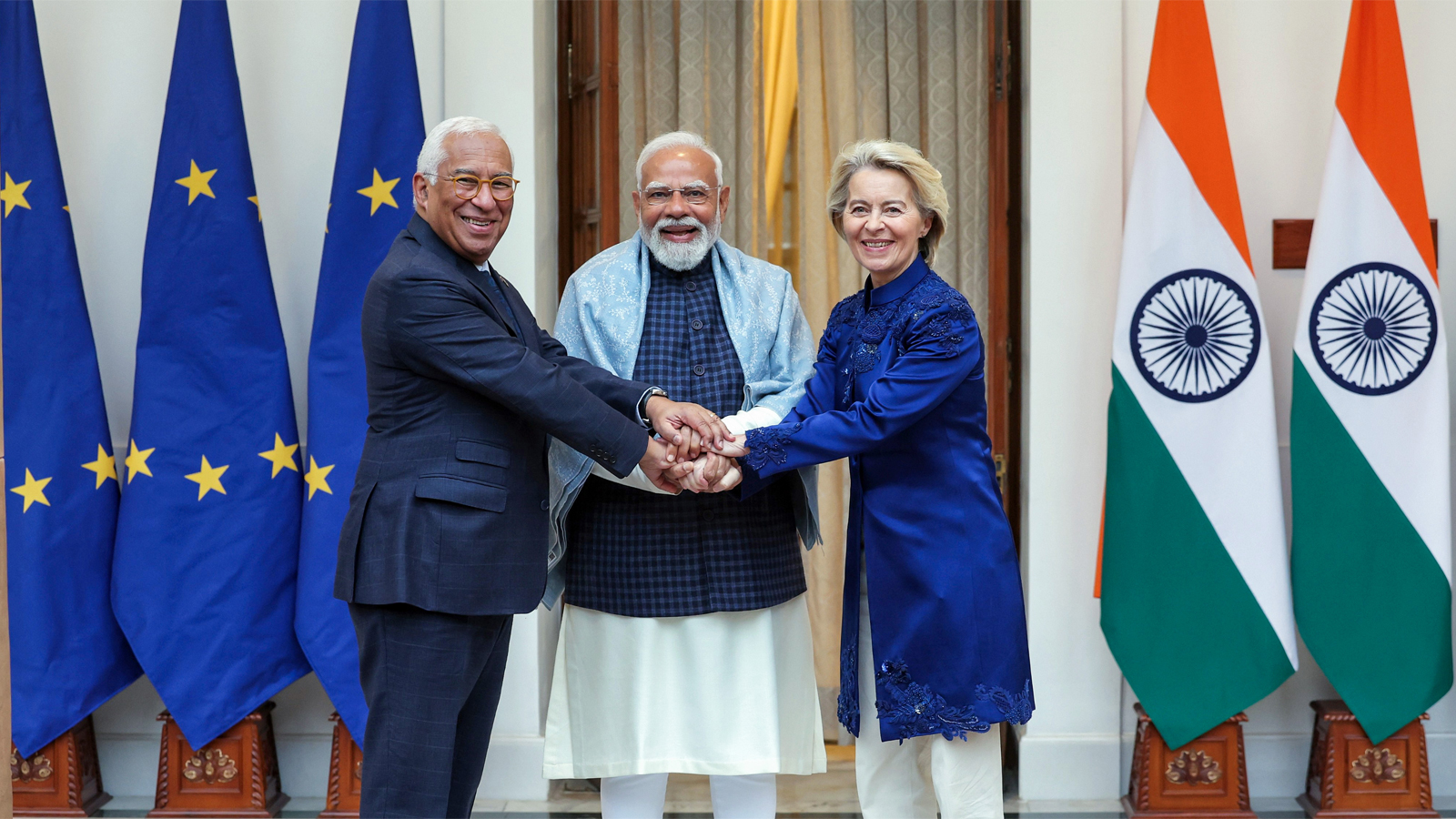
The India-Oman agreement applies from June 1. India’s FTAs now comprise 15 agreements covering 27 countries, and the performance of these FTAs faces scrutiny due to trade deficits, imports, and domestic manufacturing strain.
India–Oman Free Trade Agreement :
| Dimension | Key Details |
|---|---|
| India’s FTA count and coverage | India’s FTAs comprise 15 agreements covering 27 countries. |
| Trade deficit snapshot (FY2025) | India’s trade deficit with UAE, Australia, Mauritius, and EFTA countries in FY2025 comprises over $50 billion. |
| Average annual trade deficit (last 3 years) | India’s average annual trade deficit with ASEAN, Japan, and South Korea in the last 3 years comprises nearly $62 billion. |
| South Asia trade balance exception | India’s trade surplus in South Asia comprises $6.7 billion to $20 billion during the same period. |
| Tariff asymmetry | FTA tariff changes provide for reduced Indian import duties, while Indian export gains comprise limited benefits where partner-country tariffs are already low. |
| Utilisation of FTA preferences | Use of FTA preferences by eligible Indian exports comprises 20-30% due to compliance costs. |
| Inverted duty structure (as stated) | An inverted duty structure provides for higher duties on raw materials, lower duties on finished goods, and higher costs for domestic manufacturers. |
| Manufacturing shift pattern | A shift of manufacturing abroad comprises “Make in ASEAN, Sell in India” due to cheaper production and duty-free access to Indian markets. |
| Measures listed as way forward | Proposed measures comprise tariff rationalisation, ease of compliance including rules of origin, and boosting domestic manufacturing under Make in India initiatives. |