|
Baltic Sea Initiative to Combat Marine Pollution
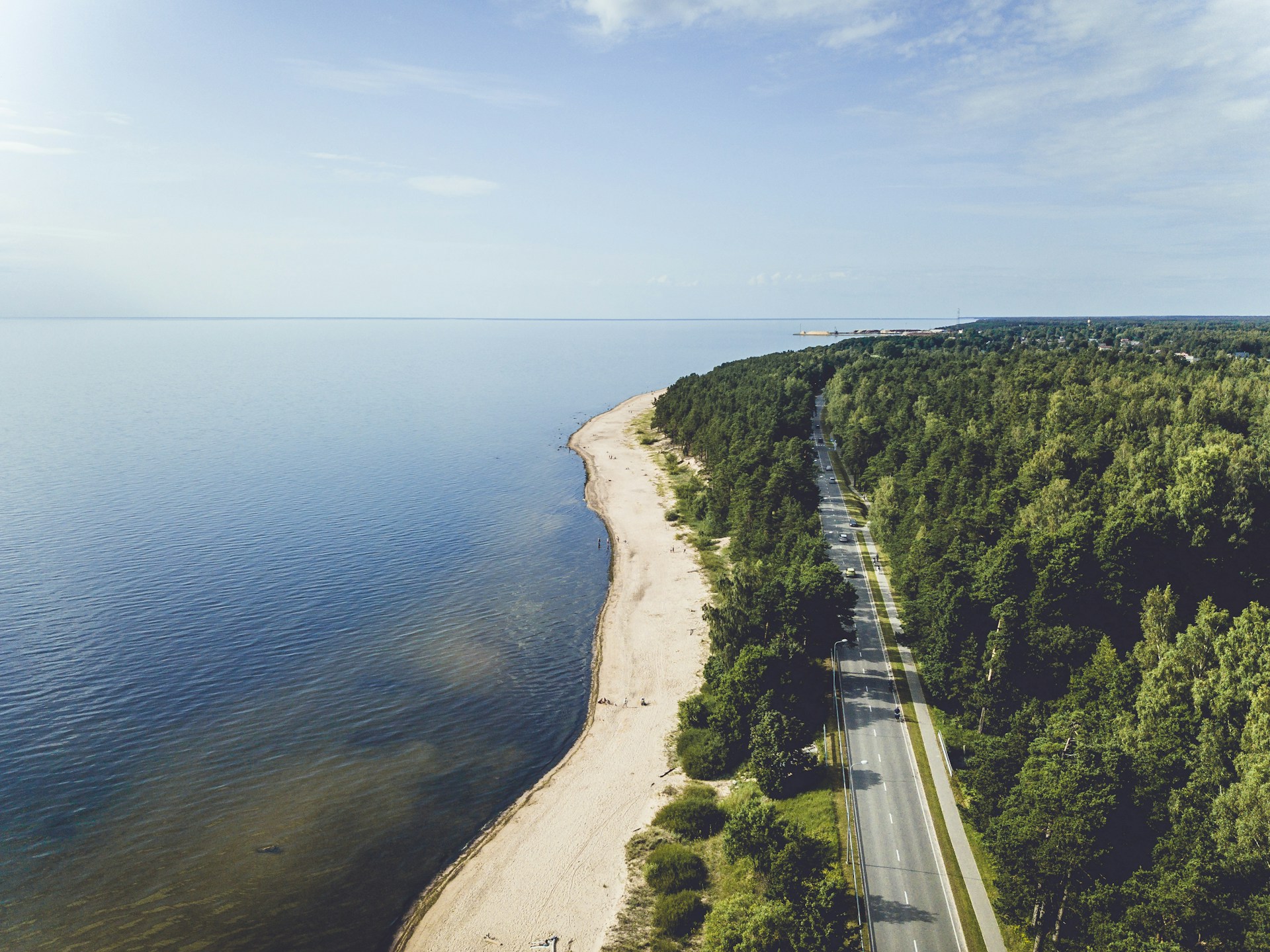
The Nordic Council Committee for a Sustainable Nordic Region announces a new initiative to combat pollution and protect the marine environment of the Baltic Sea. The development brings focus on the Baltic Sea’s geographic setting, constituent gulfs and straits, and identified environmental issues.
Baltic Sea:
| Dimension | Key Details |
|---|---|
| Oceanic Classification | The Baltic Sea is a semi-enclosed inland sea of the Atlantic Ocean. |
| Geographic Location | The Baltic Sea is situated in Northern Europe. |
| Water Type | The Baltic Sea is often cited as the world’s largest brackish inland water body. |
| Age | The Baltic Sea is described as the youngest sea on the planet, emerging some 10,000-15,000 years ago as glaciers retreat at the end of the last Ice Age. |
| Bordering Countries | The Baltic Sea is bordered by Sweden, Poland, Lithuania, Latvia, Finland, Estonia, Germany, Denmark, and Russia. |
| Branches and Basins | The Baltic Sea comprises multiple branches and basins: the Gulf of Bothnia, the Gulf of Finland, and the Gulf of Riga; the Baltic Proper; and the Danish straits of Kattegat and Skagerrak. |
| Connection to Other Seas | The Danish straits of Kattegat and Skagerrak connect to the North Sea, an arm of the Atlantic Ocean. |
| Salinity | The Baltic Sea’s water salinity levels are lower than that of the world’s oceans due to the inflow of fresh water from surrounding land and the sea’s shallowness. |
| Islands | The Baltic Sea is home to over 20 islands and archipelagos, and Gotland off the coast of Sweden is the largest island in the Baltic Sea. |
| Environmental Issue | Harmful algal blooms affect the Baltic Sea. |