|
CDRI-DoT-NDMA Study Maps Telecom Tower Vulnerability
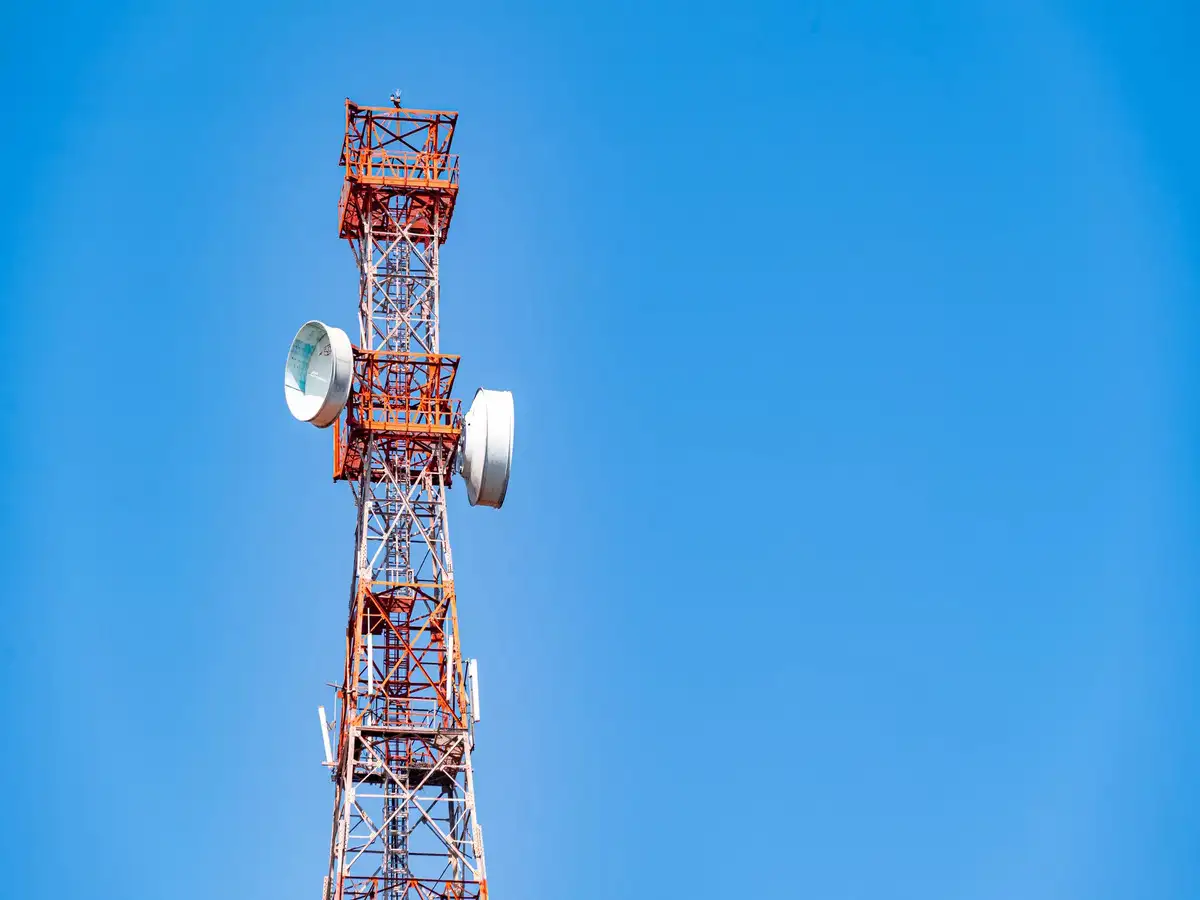
A CDRI study, conducted in collaboration with the Department of Telecommunications (DoT) and the National Disaster Management Authority (NDMA), assesses telecom tower vulnerability to cyclones, floods, landslides, storm surges, and seismic risk across five disaster-prone states. The study reports high vulnerability levels for mapped telecom towers, including in Assam and Tamil Nadu, based on hazard exposure patterns.
CDRI–DoT–NDMA Telecom Tower Vulnerability Study:
| Dimension | Key Details |
|---|---|
| Assessment framework | CDRI assesses telecom infrastructure vulnerability across Assam, Gujarat, Odisha, Tamil Nadu, and Uttarakhand. |
| Institutional collaboration | The assessment is conducted in collaboration with the Department of Telecommunications (DoT) and the National Disaster Management Authority (NDMA). |
| Tamil Nadu | Of 48,416 mapped towers, 57% face high or very high cyclonic wind risk, 33% face flood exposure, and about 14% are exposed to storm surges exceeding 6 metres. |
| Assam | Of 18,388 mapped towers, 83% are located in very high cyclonic wind zones, 43% face high flood exposure, and 5% face high landslide exposure. |
| Odisha | 57% of towers face high or very high cyclonic wind risk. |
| Gujarat | 28% of towers face very high cyclonic wind risk. |
| Uttarakhand | 25% of towers face very high cyclonic wind risk, while 10% are in areas with high landslide susceptibility. |
| Multiple hazards | All telecom towers in Assam and Uttarakhand are located in high or very high seismic zones, Zones IV and V. |
| Important observation on disruption | Tower exposure to hazards does not necessarily mean that every tower will be damaged, and power outages, fibre cuts, road damage, and fuel shortages can also disrupt telecom services. |
| Significance for disaster management | Telecom resilience supports early warnings, emergency response, and coordination among rescue agencies. |
| Significance for essential services | Telecom resilience enables access to healthcare, digital payments, education, and government services. |
| Significance for economic growth | Reliable connectivity supports businesses, livelihoods, and digital inclusion. |
| Significance for national security | Telecom resilience maintains communication during disasters and other emergencies. |