|
1952 Aruppukottai Lok Sabha Bypoll triggers Confidence Vote
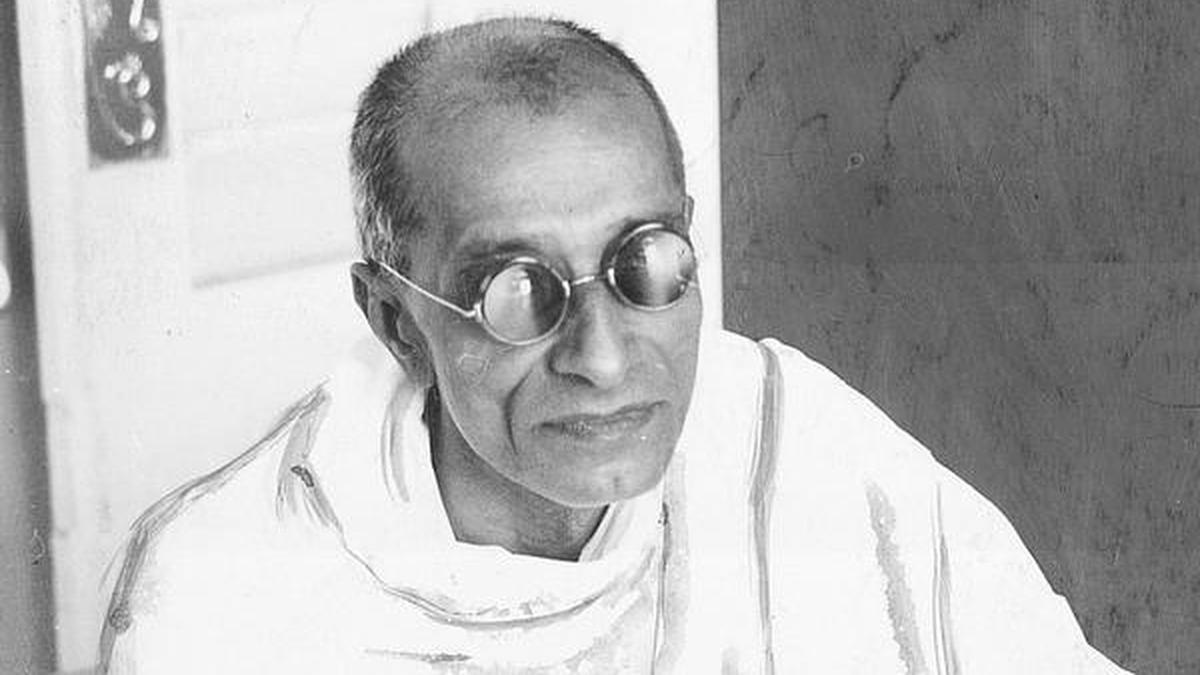
A 1952 Lok Sabha by-election result in Aruppukottai, Tamil Nadu prompts the then Madras Chief Minister C. Rajagopalachari to seek a vote of confidence in the State Assembly. The episode is referenced for the first confidence motion in an Indian legislature and the convention of proving executive majority on the floor of the House.
Aruppukottai Lok Sabha bypoll:
| Dimension | Key Details |
|---|---|
| First general elections context | India holds its first general elections in 1951-52, and in Madras State, elections to the Lok Sabha and State Assembly are held simultaneously. |
| Chief Minister assumption of office | C. Rajagopalachari assumes office as Chief Minister on April 10, 1952. |
| Assembly position of the Congress | The Congress is the single largest party but does not have an outright majority in the Assembly, requiring support from other groups. |
| Cause of the Aruppukottai bypoll vacancy | The Aruppukottai Lok Sabha seat becomes vacant following the resignation of U. Muthuramalinga Thevar, a Forward Bloc leader. |
| Candidates in the by-election | The by-election comprises Rajathi Kunjithapatham (Congress) and M.D. Ramasamy (Forward Bloc; Marxist Group). |
| By-election result | The Forward Bloc candidate wins by 18,835 votes. |
| Rajaji’s stated approach to the bypoll | Rajaji publicly presents the by-election as a test of popular support for his newly formed government. |
| Government response after the result | Following the result, Rajaji’s government decides to establish its support on the floor of the Assembly rather than relying on the by-election outcome. |
| Confidence motion mover | The confidence motion is moved by C. Subramaniam, the finance minister and Leader of the House. |
| Date of debate | The debate begins on June 30, 1952. |
| Speaker’s observation | The Speaker, J. Sivashanmugam Pillai, notes that this is the first motion of its kind in an Indian legislature. |
| Procedural basis | Since there are no specific Indian rules governing such a motion, parliamentary practice in Britain is followed. |
| Debate participation and voting outcome | After a debate involving 71 members, the government wins the confidence vote 200-151. |
| Core principle | Executive legitimacy comprises majority support in the legislature and collective responsibility. |
| Constitutional reflection for States | Article 164(2) mandates that, for State governments, the Council of Ministers is collectively responsible to the Legislative Assembly. |
| Constitutional reflection for Union | Article 75(3) mandates that, at the Union level, the Council of Ministers is collectively responsible to the Lok Sabha. |