|
West Asia Conflict Disrupts India’s Bitumen Imports
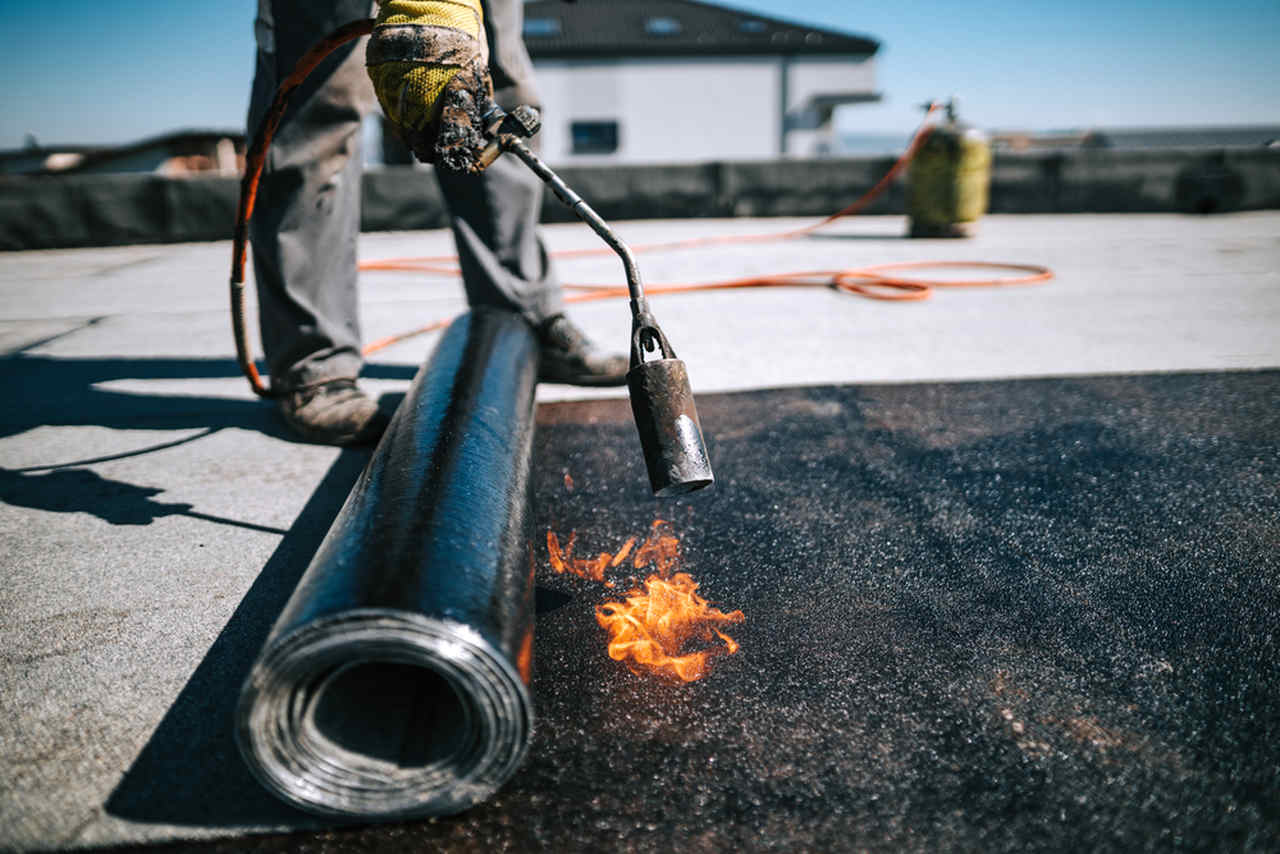
The ongoing West Asia conflict disrupts India’s bitumen imports, and bitumen prices have doubled. This development threatens the government’s target of building 10,000 km of highways in FY 2026-27, and the Ministry of Road Transport and Highways provides relief measures to highway contractors.
Bitumen:
| Dimension | Key Details |
|---|---|
| Highway target at risk | The government’s target comprises building 10,000 km of highways in FY 2026-27. |
| Composition and property | Bitumen comprises a highly viscous, black, sticky mixture of hydrocarbons, soluble in carbon disulfide, and composed mainly of polycyclic aromatic hydrocarbons. |
| Industry name | In the pavement industry, bitumen comprises the name “Black Gold”. |
| Derived sources | Bitumen comprises derivation from crude oil, oil sands, and natural asphalt lakes. |
| Uses | Bitumen comprises uses as a binder in road construction (to form asphalt), for waterproofing, and for helping roads withstand traffic load and various weather conditions. |
| Production process | The production process comprises: crude oil heating to about 350–400°C in a refinery with separation of lighter products (LPG, petrol, kerosene, diesel, and jet fuel); residue formation as atmospheric residue; vacuum distillation under lower pressure; bitumen extraction under controlled heating at 380–425°C; blending to road-paving grades. |
| Road-paving grades | Blending comprises road-paving grades VG-10, VG-30, and VG-40. |
| Yield from crude oil | From 1 tonne of crude oil, the yield comprises about 3–8% (30–80 kg) bitumen, and heavy crude comprises higher yield than lighter crude. |
| Storage temperature | Bitumen storage comprises 150–170°C to keep it liquid and pumpable. |
| Road construction dependence | In India, 85% of paved roads comprise flexible type, dependent on bitumen. |
| Annual requirement and domestic production | India’s annual requirement comprises 90 lakh tonnes, while domestic production comprises 54 lakh tonnes from Indian Oil and BPCL refineries. |
| Imports: shortfall and source concentration | Imports comprise meeting a 30–40% shortfall, and 99% of imports comprise sourcing from Iraq, UAE, Iran, Oman, and Bahrain. |
| Import trend and cited reasons | Imports comprise more than doubling due to mega projects like Bharatmala and PMGSY, while domestic bitumen production has not kept pace. |
| Nodal ministry response | The Ministry of Road Transport and Highways authorises relief measures of force majeure and price adjustment to highway contractors. |
| Force majeure clause | The force majeure clause provides for 2–4 months relaxation for war-linked delays without penalty. |
| Price adjustment | Price adjustment provides for compensation for cost escalation in fuel, materials, and logistics. |
| Limitation on claims | The relief measures mandate that contractors cannot claim both force majeure and price adjustment simultaneously. |