|
India’s workers’ remittances cross $100 billion
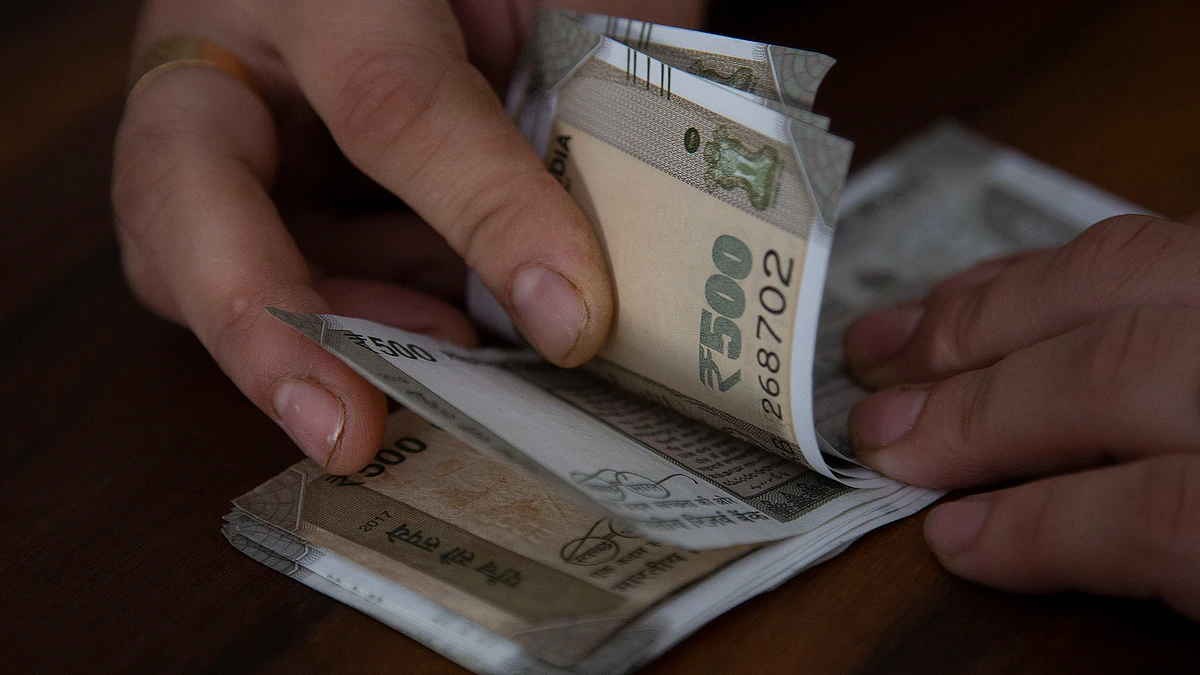
India receives workers’ remittances crossing USD 100 billion in a year. The inflows provide for cushioning the Balance of Payments amid weak FDI/FPI inflows and capital outflows.
Workers’ Remittances, Private Transfers, and Balance of Payments (BoP):
| Dimension | Key Details |
|---|---|
| Balance of Payments (BoP): Definition | Balance of Payments (BoP) comprises transactions in goods, services, and assets between residents of a country and the rest of the world for a specified time period, typically a year. |
| BoP: Accounting System | BoP comprises a Double Entry System to record transactions with the rest of the world. |
| BoP: Sides and Outcomes | BoP comprises a credit side and a debit side, with BoP surplus applying to credit side > debit side, balanced BoP applying to credit side = debit side, and BoP deficit applying to credit side < debit side. |
| Remittances: Definition and Share | Remittances comprise money sent home by Indians abroad, and apply to more than 2/3rd of private transfers. |
| Private Transfers: Components | Private transfers comprise remittances, withdrawals/redemption of NRI deposits, personal gifts/donations, and gold/silver brought via passenger baggage. |
| FY 2026: Key Amounts and Growth | FY 2026 workers’ remittances comprise USD 110.47 billion (26% increase from FY25), private transfers comprise USD 151.71 billion (15% increase), and net transfers comprise USD 144.07 billion (16% increase). |
| Impact on BoP | Remittances and private transfers provide for an immediate cushion by offsetting weak FDI/FPI inflows and capital outflows. |
| FDI: Definition | FDI comprises long-term capital inflow giving ownership/control over assets such as factories, land, and companies. |
| FPI: Definition | FPI comprises short-term capital inflow in financial assets such as shares and bonds, without management control. |
| Rupee Management by RBI | RBI authorises buying foreign currency inflows (USD, etc.) to add to reserves and prevent excessive rupee appreciation, keeping exports competitive. |
| Forex Reserves: Role | Forex reserves provide for insurance against external shocks, Current Account Deficit (CAD) pressures, and volatile capital flows. |
| Current Account Deficit (CAD): Condition | CAD applies when a country’s total imports of goods, services, and transfers > its total exports. |
| Rupee Depreciation and Remittances | Rupee depreciation applies to a situation where INR weakens against USD or other currencies, with each dollar sent home converting into higher rupee value. |
| Limitations Mentioned | Remittances do not provide for a long-term fix, with FDI/FPI needing improvement and the trade deficit needing management. |
| Drivers of the Surge | The surge comprises drivers such as West Asia conflict-related uncertainty, rupee depreciation, and shifting sources. |
| Shifting Sources: Gulf Share and Other Contributors | The Gulf share comprises 47% in 2016-17 and 38% in 2023-24, with contributions from the US and UK comprising increased shares. |