|
UNEP Flags Behavioural Shifts in Slaty Egret as Ecosystem Indicator
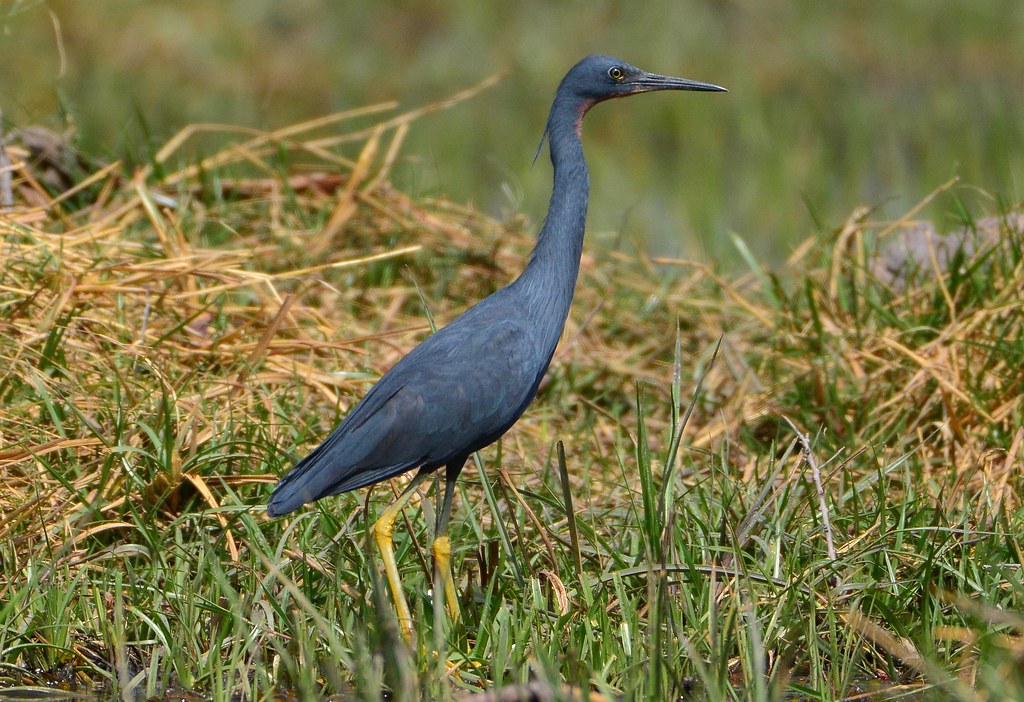
United Nations Environment Programme (UNEP) officials state that behavioural shifts in the Slaty Egret are an important instance of changes in natural ecosystems. The news highlights the Slaty Egret (Egretta vinaceigula) as an ecosystem indicator species in this context.
Slaty Egret:
| Dimension | Key Details |
|---|---|
| Type | It is a small, shy water bird. |
| Main location | It is mainly found in Botswana’s Okavango Delta. |
| Appearance | It features a slender form with long legs and neck, and exhibits slaty gray plumage with a subtle purple tint. |
| Habitat | It is usually found in seasonal wetlands and floodplains. |
| Distribution | The slaty egret lives in south-central Africa, and the largest populations are found in Zambia and Botswana. |
| Feeding behaviour | It is known for a “foot-ruffling” technique that stirs up water with its feet to flush out fish. |
| Nesting preference | It typically breeds in colonially dense vegetative areas on islands or marshlands, usually away from potential predators. |
| Diet | Its diet primarily consists of fish, amphibians, and aquatic invertebrates. |
| Threats | It is highly dependent on wetlands, which makes it vulnerable to habitat loss due to agricultural expansion and changes in water management. |
| Conservation status | As per the IUCN Red List, it is Vulnerable. |