|
Synthetic Biology Explained
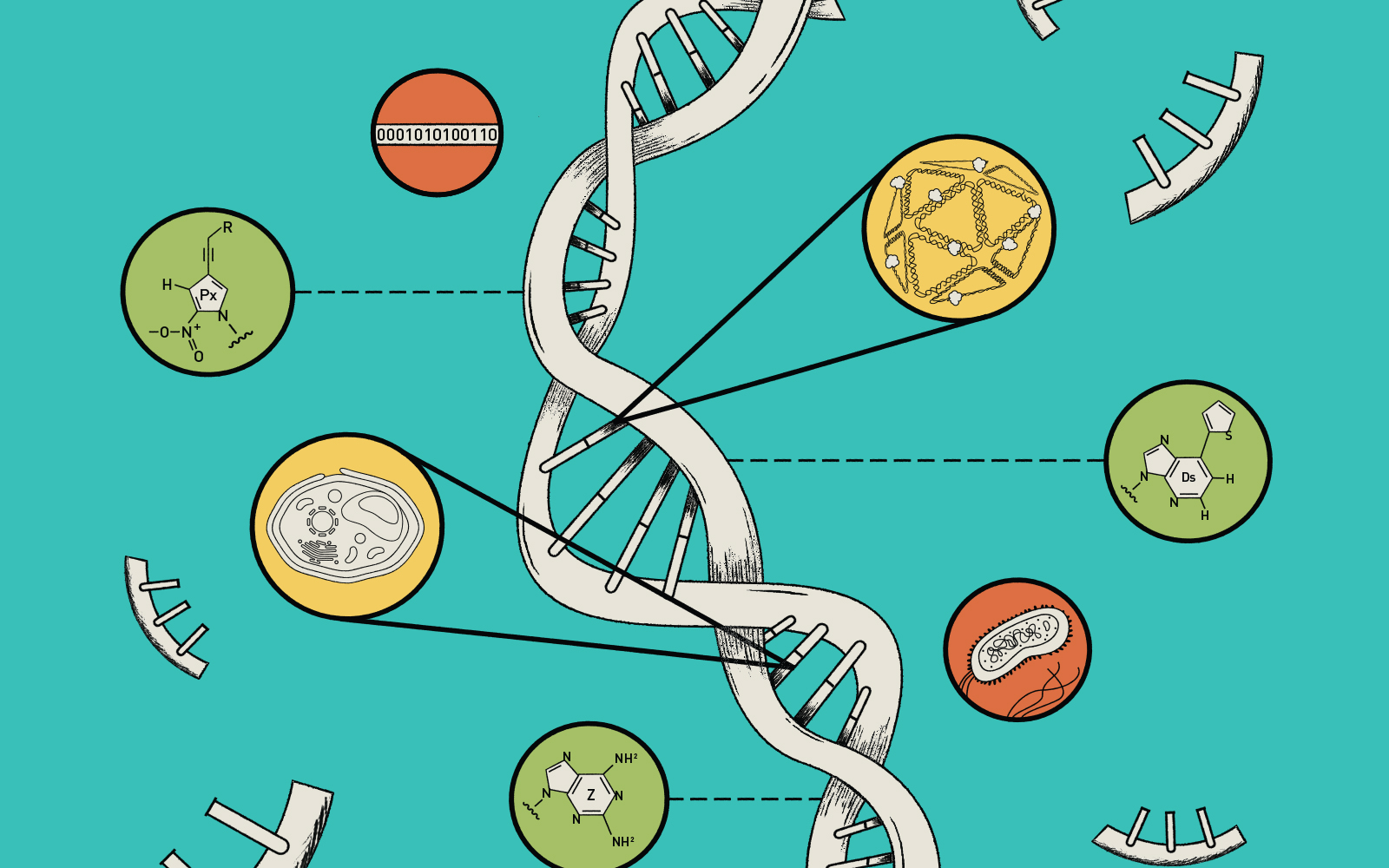
Advances in understanding genes and cells, along with Artificial Intelligence, enable engineering of cells and organisms on a genome-wide scale with desired properties. Synthetic biology is relevant now because it involves redesigning organisms for useful purposes by engineering them to have new abilities.
Synthetic Biology:
| Dimension | Key Details |
|---|---|
| Meaning | Provides for redesigning organisms for useful purposes by engineering them to have new abilities. |
| Enabling factors | Comprises advances in understanding genes and cells, and advances in AI, that enable engineering cells and organisms on a genome-wide scale with desired properties. |
| Examples mentioned | Comprises uses such as harnessing microorganisms for bioremediation to clean pollutants, and modifying rice to produce beta-carotene for preventing Vitamin A deficiency. |
| Comparison with genome editing | In synthetic biology, scientists typically stitch together long stretches of DNA, already found in an organism or entirely novel, and insert them into an organism's genome; in genome editing, scientists typically use tools to make smaller changes by deleting or adding small stretches of DNA to an organism's own DNA. |
| Affordability concern | Regulates affordability concerns where personalised therapies could be particularly expensive. |
| Biosafety concern | Regulates biosafety concerns regarding potential unintended risks of releasing genetically engineered microorganisms into the environment. |
| Biosecurity risk | Comprises risks of empowering nefarious actors to develop bioweapons, including by accelerating development of toxins. |
| Cyberbiosecurity concern | Regulates cyberbiosecurity concerns due to growing interaction between biology and automation. |
| Ethical challenges | Comprises issues regarding engineering life, equity, and distribution of risk, benefits, and access. |