|
Swyer Syndrome Prevalence and Genetics
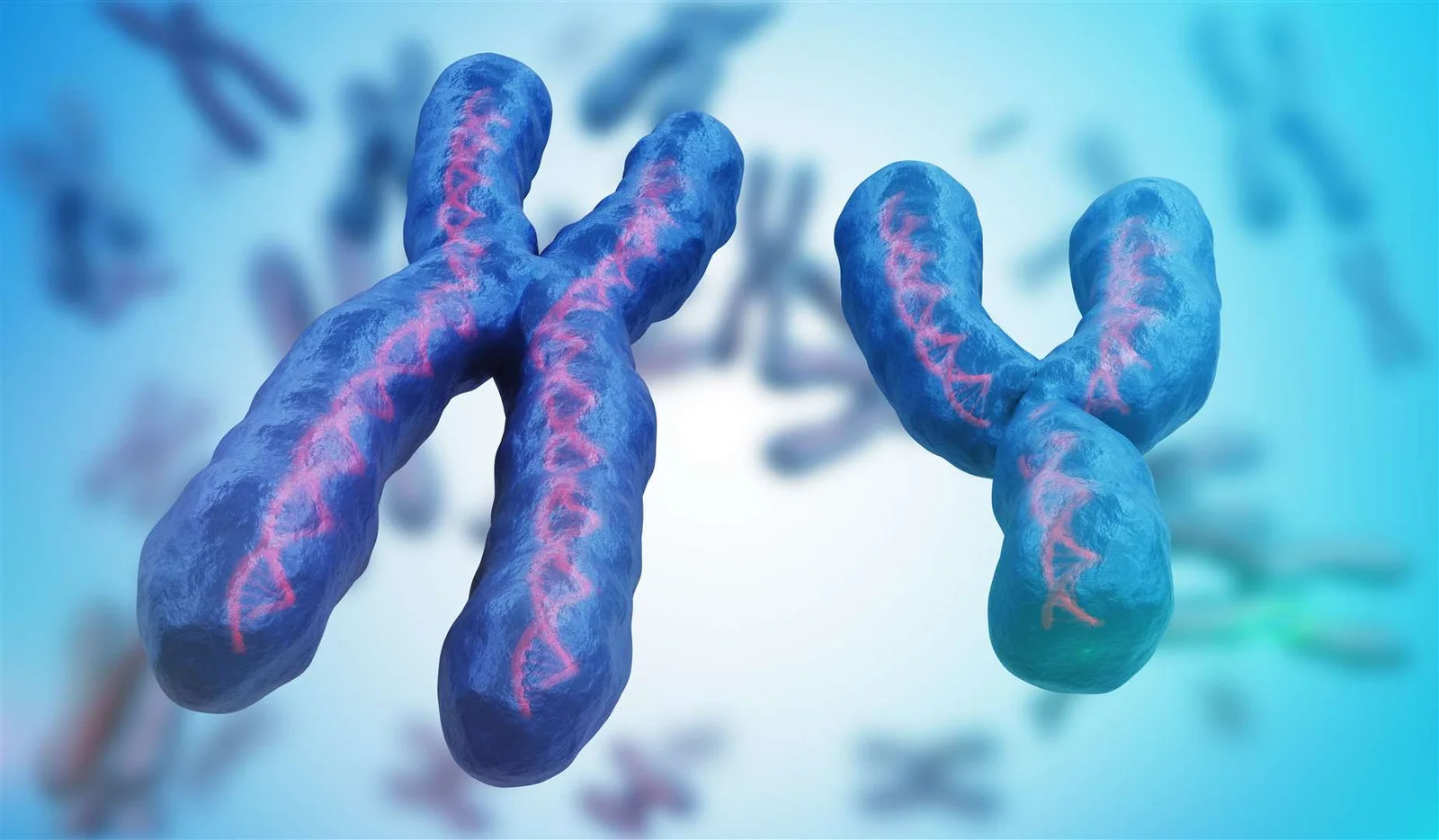
Swyer syndrome is reported in the news as a rare genetic condition affecting sex development and puberty progression. The report highlights its estimated prevalence, genetic characteristics, typical presentation during adolescence, and management through hormone replacement therapy.
Swyer Syndrome:
| Dimension | Key Details |
|---|---|
| Estimated prevalence | It is estimated to occur in about 1 in 80,000 people. |
| Medical classification | It is medically known as 46, XY complete gonadal dysgenesis. |
| Chromosomal pattern | Individuals have one X and one Y chromosome in each cell. |
| Reproductive development | It comprises development of female reproductive structures despite an XY chromosomal pattern. |
| Core feature | It is characterized by failure of the sex glands, testicles or ovaries, to develop. |
| Genetic basis | It results from disruption of the genetic pathway involved in testicular development during early embryonic development. |
| DSD category | It is one of many “Disorders of Sex Development” (DSDs). |
| Genotype-phenotype description | People with Swyer syndrome are genetically male but phenotypically female, and comprise a female appearance with female external genitalia. |
| Clinical presentation | It may not be apparent during childhood and often comes to light during adolescence when puberty does not progress normally, and a characteristic sign comprises primary amenorrhoea, meaning menstruation does not begin. |
| Treatment and management | There is currently no treatment that can change the 46, XY chromosome pattern or turn streak gonads into functioning ovaries, but effects are managed through hormone replacement therapy. |