|
ISS1 and ISS2 Tools for Sickle Cell Anaemia Severity
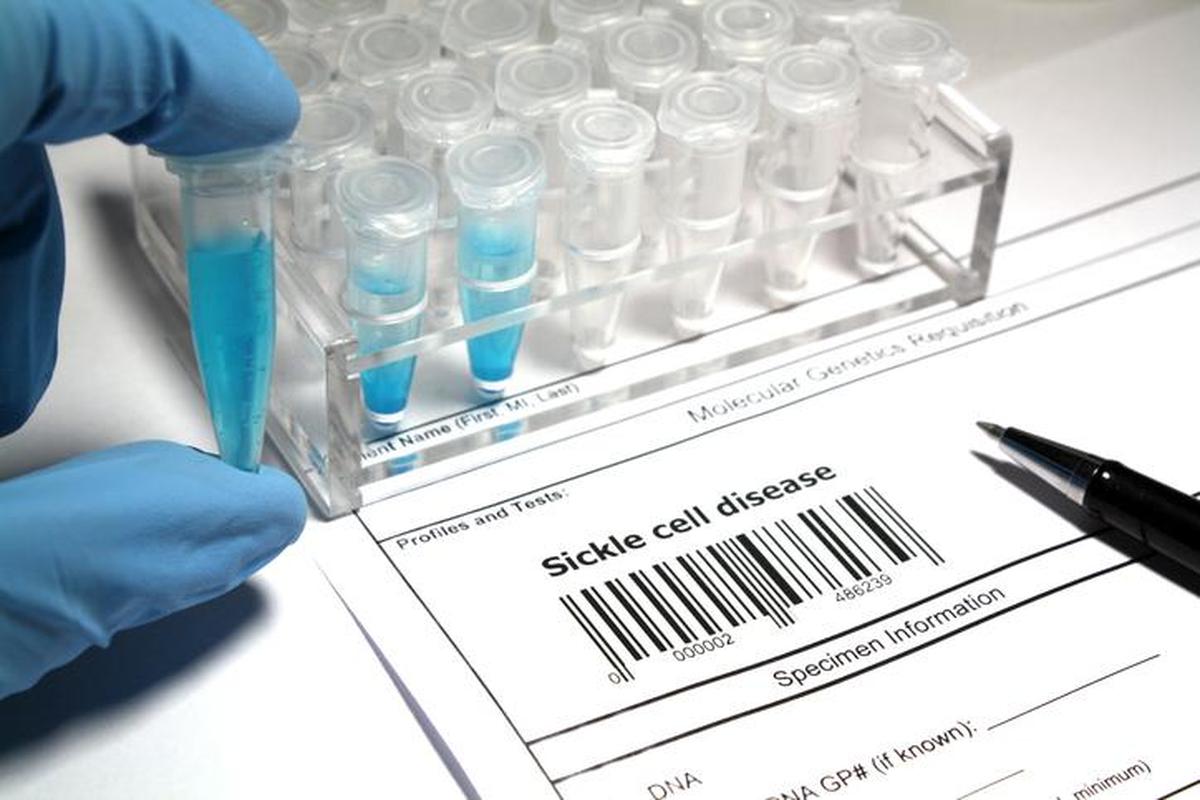
Scientists at the CSIR-Centre for Cellular and Molecular Biology (CCMB), Hyderabad, develop India-specific disease severity scoring models, ISS1 and ISS2, for Sickle Cell Anaemia (SCA). The tools provide for improved prediction of clinical outcomes and treatment management for Indian SCA patients, where standard international models like the Paediatric Severity Score (PSS) fail to reflect true clinical progression.
India-Specific Disease Severity Scoring Models for SCA:
| Dimension | Key Details |
|---|---|
| Clinical profile of Indian SCA patients | Indian SCA patients generally possess higher baseline levels of fetal hemoglobin (HbF), which tempers disease severity. |
| Complications relatively rare in India | Complications predominant in African populations that are relatively rare in India comprise priapism, leg ulcers, and severe pulmonary hypertension. |
| Complications dominant in Indian clinical cases | Indian clinical cases comprise severe anemia, recurrent blood transfusions, painful vaso-occlusive crises, and acute febrile illnesses driven by nutritional deficiencies and endemic tropical infections. |
| PSS performance in Indian settings | The standard international Paediatric Severity Score (PSS) achieves ~67% concordance with expert clinical assessments in Indian settings. |
| ISS1 core innovation | ISS1 integrates clinical indicators prevalent in Indian patients, including frequent transfusions, severe anemia, and acute febrile episodes. |
| ISS2 core innovation | ISS2 relies on easily observable bedside clinical indicators rather than complex, high-cost laboratory diagnostics. |
| Accuracy or concordance | ISS1 reaches ~83% concordance with expert pediatric evaluation, and ISS2 achieves ~85% concordance and correctly identifies 100% of mild cases. |
| Primary utility by health-system level | ISS1 facilitates nuanced clinical stratification for secondary and tertiary hospitals, and ISS2 is designed for resource-constrained primary healthcare centers (PHCs) to quickly triage patients. |
| Drug linkage | The models help clinicians determine early, tailored administration and exact dosages of Hydroxyurea, an essential drug that elevates HbF levels and prevents painful vaso-occlusive crises. |
| Link to national mission | The tools support the National Sickle Cell Anaemia Elimination Mission (2023-2047) through early screening, risk-stratification, and targeted management across tribal belts. |
| Diagnostics requirement | ISS2 enables rural healthcare providers to stratify risk without requiring specialized molecular or expensive biochemical laboratory setups. |